




01. Edit your missouri form 768 instructions online
Type text, add images, blackout confidential details, add comments, highlights and more.

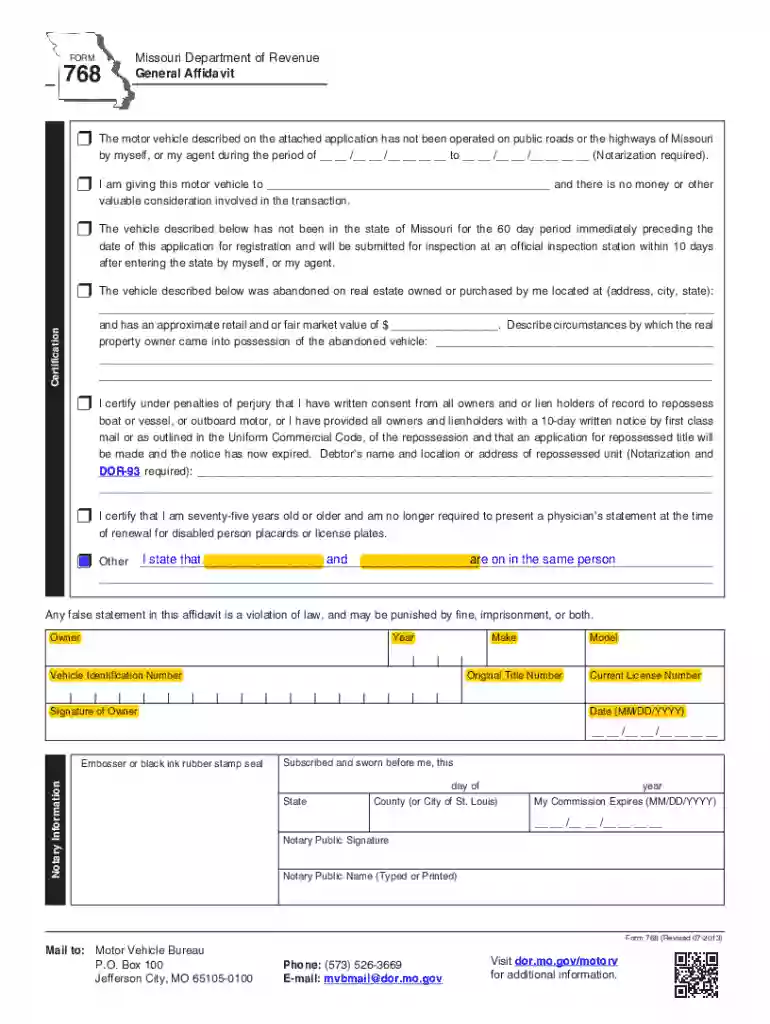
Type text, add images, blackout confidential details, add comments, highlights and more.

Draw your signature, type it, upload its image, or use your mobile device as a signature pad.

Send form 768 instructions via email, link, or fax. You can also download it, export it or print it out.
Missouri Form 768 is a document utilized by the Missouri Department of Revenue for personal property tax declarations primarily related to motor vehicles. The instructions for this form clarify the process of accurately reporting and declaring taxable assets, ensuring that individuals comply with local tax obligations. This guide explains how to report personal property, such as vehicles, boats, and trailers, for assessment by your local county assessor. The information is vital for calculating the amount of personal property tax owed on these items. The instructions provide critical guidance on completing the form correctly to avoid errors and ensure timely processing.
Gather Required Information: Before filling out the form, collect the necessary information, including the year, make, and model of your vehicles, boats, or trailers. Also, have their vehicle identification numbers (VINs) ready.
Identify the Assessment Date: Understand that the personal property must be declared as of January 1 of the tax year. Ensure the information provided reflects this date for accuracy and compliance.
Fill Out the Form:
Review and Sign: Double-check all entries for accuracy. Sign and date the form to verify the information provided is truthful and correct.
Submit the Form: Deliver the completed form to the appropriate county assessor's office by the deadline to avoid penalties. Submission methods can vary, so verify whether online, mail, or in-person submission is required or accepted.
Personal Property Definition: Clearly defines what constitutes personal property in this context, primarily focusing on vehicles that are not exempt from tax.
Assessment Date: Stipulates the specific date for assessment purposes, emphasizing the importance of using the correct property details as of January 1.
Declaration Requirements: Details the mandatory fields and information that must be completed to avoid processing delays or rejections.
Valuation Guidance: Provides insight into how properties are valued, helping taxpayers understand the basis for their tax assessments.
The instructions emphasize the importance of legal compliance with state and county tax laws. Filing an accurate declaration protects taxpayers from legal penalties and ensures fair taxation based on asset values. Misrepresentation or failure to declare personal property can result in fines, legal actions, or adjustments to the assessed value, which may increase the tax burden.
Missouri has specific statutes governing the taxation of personal property, which may differ from other states. The instructions highlight these rules, ensuring taxpayers account for peculiar state requirements such as exemptions for certain types of vehicles or conditions under which a vehicle may not be taxed. Understanding these nuances helps taxpayers avoid mistakes that could lead to incorrect tax levies.
The Missouri Department of Revenue authorizes the distribution and implementation of Form 768 and its accompanying instructions. This department is responsible for tax collection, setting guidelines for property assessment, and ensuring that all relevant information is provided to taxpayers for compliance. County assessors play a crucial role in the practical application of these instructions within local jurisdictions.
Failing to submit Missouri Form 768 by the prescribed deadline or providing incorrect information can result in penalties. These may include monetary fines, interest on unpaid taxes, and potential legal action. The instructions help mitigate these risks by guiding taxpayers through the correct reporting process, encouraging timely and accurate filings. Understanding the consequences of non-compliance underscores the importance of adhering to these instructions.
Examples provided within the instructions can illustrate common scenarios or frequently asked questions. For instance, a scenario might involve a taxpayer with multiple vehicles needing to declare each one separately following specific guidelines outlined in the instructions. Another example could describe how to handle property acquired during the tax year, offering clarity on mid-year transactions. These use cases assist in demonstrating the practical application of the form in everyday situations.
At DocHub, your data security is our priority. We follow HIPAA, SOC2, GDPR, and other standards, so you can work on your documents with confidence.
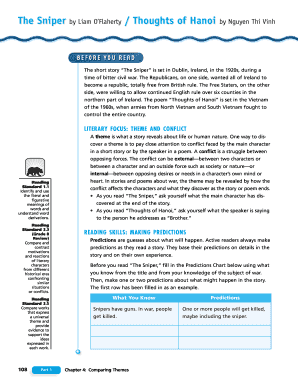
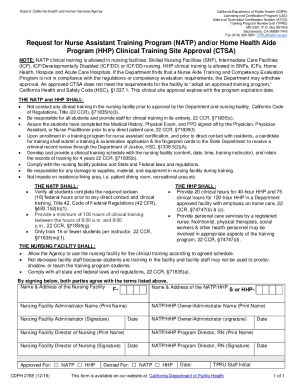
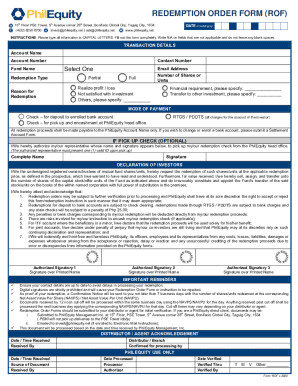


Hold the steering column in place and gently lower the vehicle body. Position the steering wheel so that the spokes form a. Y as shown. While supporting
The original owner and the new owner are required to sign the Notice of Sale or Transfer form, even when gifting a motor vehicle, trailer, ATV, motorcycle,
The Form. MO-CRP is on pages 12 - 14 and instructions are on page 8. Add the totals from Line 9 on all Forms MO-CRP completed and enter the amount on Line 10


