




01. Edit your form online
Type text, add images, blackout confidential details, add comments, highlights and more.

Type text, add images, blackout confidential details, add comments, highlights and more.

Draw your signature, type it, upload its image, or use your mobile device as a signature pad.

Send it via email, link, or fax. You can also download it, export it or print it out.
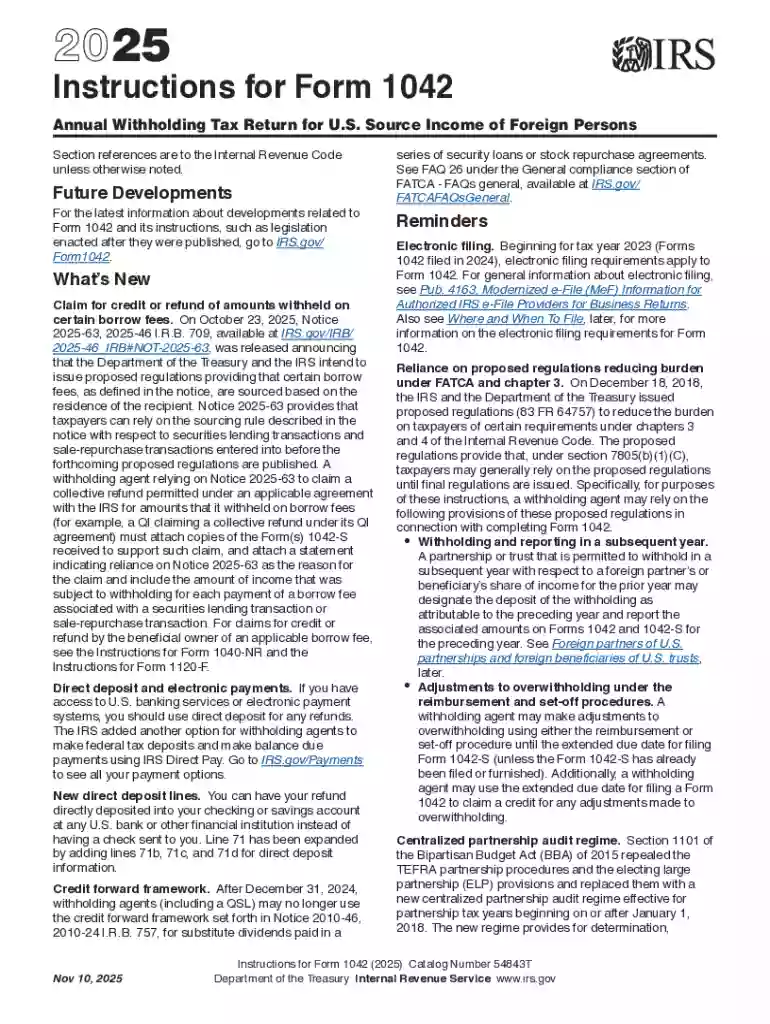
The 2025 Instructions for Form 1042 provide comprehensive guidance on completing Form 1042, the Annual Withholding Tax Return for U.S. Source Income of Foreign Persons. This form is essential for withholding agents responsible for reporting U.S. source income paid to foreign persons and entities. Understanding the instructions is crucial to ensure correct reporting and compliance with IRS requirements. These instructions clarify various elements, such as who is required to file, the types of income subject to withholding, and how to calculate and report tax correctly.
Effectively using the 2025 Instructions for Form 1042 involves a detailed step-by-step process. Begin by reviewing each section of the instructions closely to identify the particular requirements applicable to your situation. The instructions provide detailed examples and scenarios that can guide you in the completion of specific fields on the form. Withholding agents can utilize these guidelines to ensure accurate reporting of payments and taxes withheld. Special focus should be given to new updates, such as direct deposit options and electronic filing requirements, as these can significantly impact the filing process.
Completing the instructions requires attention to detail and understanding of the process. Begin by reviewing necessary sections such as payer requirements, details of reportable income, withholding adjustments, and penalty provisions. Familiarize yourself with specific line instructions for providing correct information. Additionally, consider unique scenarios such as adjustments for overwithholding or underwithholding and the role of adjustments in the filing process. Updates in the 2025 instructions also necessitate understanding of electronic submission avenues and penalties for incorrect or late submissions.
The key elements of the 2025 instructions encompass several core areas that withholding agents must understand. These include detailed breakdowns of reportable income categories, the specifics of calculating tax withholdings, and the instructions on filing amendments. Definitions and clarifications of critical terms like 'withholding agents' and 'U.S. source income' are fundamental to accurate completion and filing. The addition of real-world examples aids in illustrating practical applications of the instructions, making it easier to comprehend complex scenarios and apply them correctly.
Adhering to IRS guidelines is essential when following the 2025 Instructions for Form 1042. These guidelines include adherence to the latest regulations and procedural updates that impact filing and reporting. Compliance with these standards not only ensures legal accuracy and completeness but also helps avoid potential penalties. IRS guidelines emphasize the importance of timely submissions, proper documentation, and adherence to updated electronic filing processes that support modernized, efficient tax administration.
Being aware of critical filing deadlines and important dates for 2025 is crucial in maintaining compliance. The typical deadline for filing Form 1042 is March 15 of the following year. However, updated instructions may offer extensions or outline changes in filing schedules, particularly where electronic submission is concerned. Filing ahead of the deadline can prevent last-minute errors and provide time to rectify any discrepancies that might arise. Understanding these timelines ensures that taxpayers and withholding agents can plan adequately for submission and verify all necessary entries.
Non-compliance with the instructions for Form 1042 can lead to significant penalties. These penalties include fines for late filing or failure to withhold appropriately, which can quickly add up and cause financial strain. Withholding agents must remain informed about the penalties associated with incorrect reporting or failure to submit forms and payments on time. The instructions detail penalties extensively, providing both preventive measures and corrective actions to handle any possible errors or late submissions effectively.
Understanding the various methods for submitting Form 1042 is vital for withholding agents. The 2025 instructions outline options such as electronic submissions through online platforms, traditional mailing methods, and any in-person requirements. Electronic filing, emphasized in current IRS mandates, simplifies the submission process and often allows for faster processing times. Traditional mail remains an option, particularly for agents who prefer or are required to submit physical forms. Updated instructions also address how electronic and traditional methods differ in terms of confirmation and proof of submission.
We've got more versions of the 2025 Instructions for Form 1042 form. Select the right 2025 Instructions for Form 1042 version from the list and start editing it straight away!
At DocHub, your data security is our priority. We follow HIPAA, SOC2, GDPR, and other standards, so you can work on your documents with confidence.
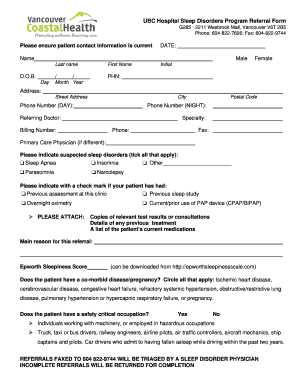
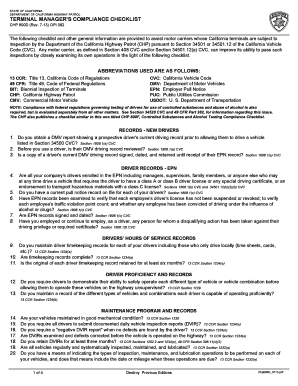


Apr 15, 2015 If your Form 1042-S or Form 1099-R shows a larger amount, use the amount on this line instead of the amount from Form 1042-S or Form. 1099-R
Dec 16, 2024 These instructions provide guidance on how to report payments on Form 1042-S that are made to and by QDDs.
Use Form 1042-S to report: Income and amounts withheld as described in the Instructions for Form 1042-S. Specified Federal procurement payments paid to


