




01. Edit your form online
Type text, add images, blackout confidential details, add comments, highlights and more.

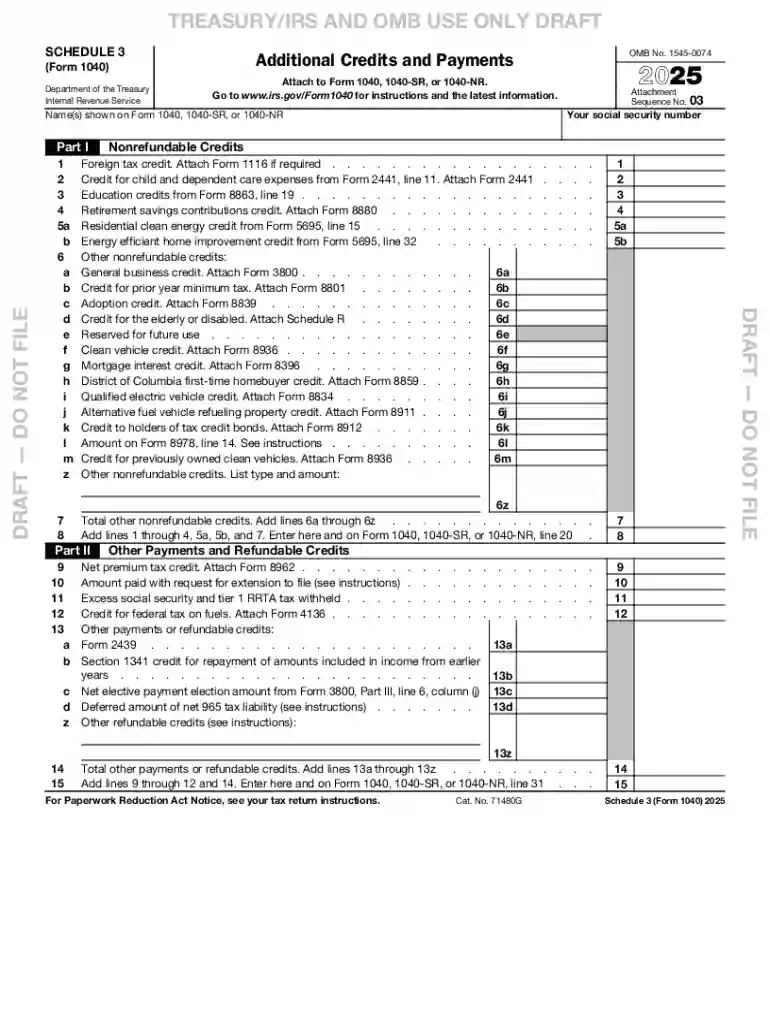
Type text, add images, blackout confidential details, add comments, highlights and more.

Draw your signature, type it, upload its image, or use your mobile device as a signature pad.

Send it via email, link, or fax. You can also download it, export it or print it out.
Draft Form 4547 is a preliminary version of a forthcoming IRS document, used primarily for the collection of feedback before it becomes an officially sanctioned form. Typically utilized in the context of filing taxes, this draft version aims to streamline the reporting process for specific financial or operational activities recognized by the IRS. The draft form often highlights potential changes in tax regulations or new compliance requirements that taxpayers should anticipate. Understanding its purpose can help individuals and businesses prepare for the official release of the form.
Draft Form 4547 is designed for tentative use, allowing taxpayers and professionals to familiarize themselves with potential reporting requirements. Engagement with the draft should focus on understanding the layout, identifying new information to be reported, and assessing how these changes might impact one's tax filings.
While the draft form should not be filed, familiarizing oneself with its completion can prepare individuals and businesses for the final version's release. Learn each section to ensure thorough understanding and compliance.
Draft Form 4547 acts as a bridge between existing tax reporting practices and upcoming regulatory changes. Engaging with the draft provides an opportunity to preemptively address potential compliance issues and reduces the risk of errors once the form is finalized.
Draft Form 4547 is primarily used by tax professionals, financial advisors, and organizations that keep vigilant about prospective IRS reporting changes. Its users are generally those who manage complex tax obligations or need to prepare for potential adjustments in tax law or compliance.
Draft Form 4547, as a preliminary version, holds no legal weight in filings but can be invaluable for legal preparation. By evaluating the draft, businesses and individuals ensure that they remain compliant and avoid future legal pitfalls or errors in their tax submissions.
Identifying required documents ensures readiness for completing the finalized Form 4547. While the draft outlines requirements in a preliminary stage, it serves as a checklist for document gathering and verification.
Understanding possible penalties associated with non-compliance when the final version is released is crucial. Engaging with the draft can mitigate risks and facilitate adherence to the latest IRS standards.
We've got more versions of the draft Form 4547 form. Select the right draft Form 4547 version from the list and start editing it straight away!
At DocHub, your data security is our priority. We follow HIPAA, SOC2, GDPR, and other standards, so you can work on your documents with confidence.




May 9, 2016 Draft for Public Comment. Agency for Toxic Substances and Disease Environmental Science Technology 43(12):45474554. Qin, P., R
Oct 6, 2025 This is an early release draft of an IRS tax form, instructions, or publication, which the IRS is providing for your information.
8 days ago Parents will be able to open accounts by filing IRS Form 4547 once the draft form is finalized, and the government says that online enrollment


