






Definition & Meaning
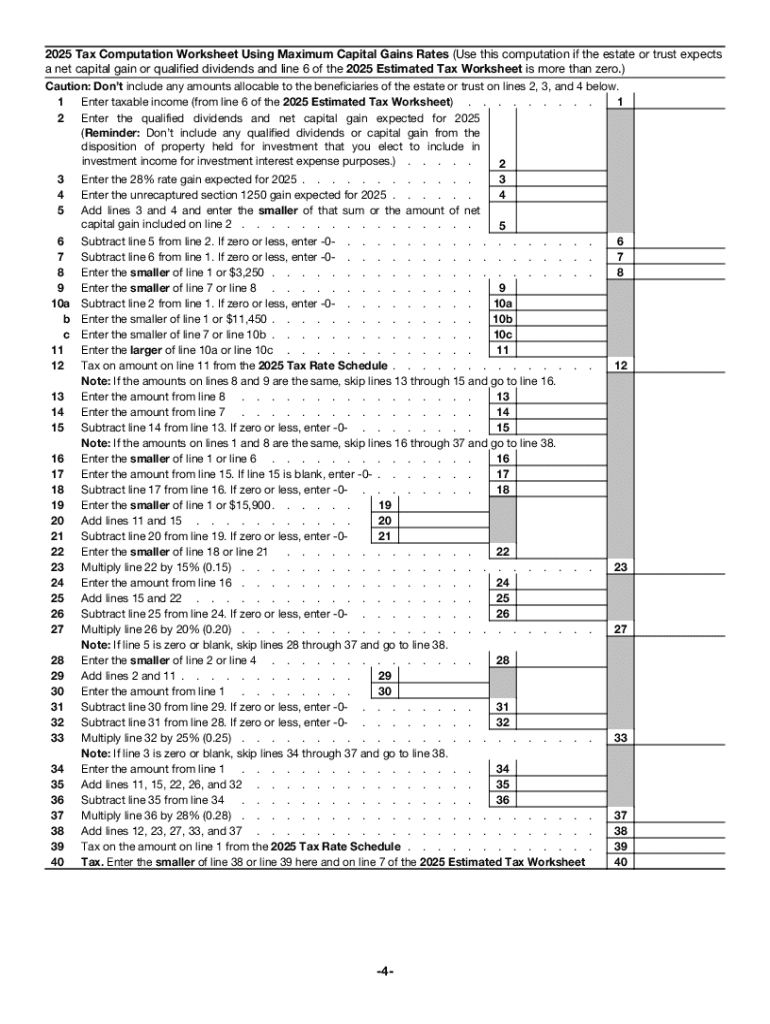
The term "The maximum tax rate for long-term" refers to the upper limit of tax that is applied to long-term capital gains. These gains are profits from the sale of assets or investments held for a period longer than one year. The maximum tax rate for long-term capital gains varies by income bracket and filing status, providing a lower tax rate on long-term investments compared to short-term gains.
Long-term capital gains tax rates are categorized under three main brackets: 0%, 15%, and 20%. These rates are dependent on the taxpayer’s income level and filing status such as single, married filing jointly, or head of household. The purpose of offering reduced tax rates for long-term gains is to encourage long-term investment in the economy.
Key Elements of the Maximum Tax Rate for Long-Term
Understanding the components that determine the maximum tax rate for long-term capital gains is essential. These components include:
-
Income Level: Your total income and specific thresholds set by the Internal Revenue Service (IRS) significantly impact the applicable tax rate.
-
Filing Status: Whether you file as an individual or jointly with a spouse can change which tax bracket and rate apply to your long-term capital gains.
-
Type of Asset: Different asset types, such as stocks, bonds, or real estate, may be taxed differently under long-term capital gains rules.
These elements combined determine how much tax you owe on any long-term gains when you file your taxes.
Who Typically Uses the Maximum Tax Rate for Long-Term?
The maximum tax rate for long-term capital gains generally applies to individual investors, retirees, and financial institutions holding investments over a year. It is also crucial for mutual fund investors, as the fund may realize long-term gains on the client’s behalf, potentially affecting their tax liabilities.
Investors often use this tax rate to strategically manage their portfolios by realizing long-term gains during low-income years, thereby minimizing their overall tax burden. Business entities such as limited liability companies (LLCs) may also leverage long-term capital gains for benefits in tax management and financial planning.


Examples of Using the Maximum Tax Rate for Long-Term
Consider a taxpayer with an annual income that places them in the 15% capital gains tax bracket. If this individual sells stocks that have been held for more than a year, the gains would be taxed at 15%. For instance, if they made a $10,000 profit on the sale, they would owe $1,500 in taxes instead of the higher ordinary income tax rate.
Another example is a retired couple who strategically sell portions of their retirement accounts that are subject to capital gains over several years, ensuring that each transaction remains in a lower tax bracket, thereby minimizing their taxation on these profits.
IRS Guidelines
The IRS provides comprehensive guidelines on what constitutes a long-term capital gain and how these gains should be reported. Taxpayers must report these gains on IRS Form 1040, Schedule D. It is important to keep detailed records of purchase and sale dates, costs, and proceeds to ensure accurate tax filings.
Compliance with IRS guidelines is critical, as misreporting capital gains can result in audits or penalties. Taxpayers should always refer to the latest IRS publications to stay informed about current tax laws and regulations affecting long-term capital gains.
Filing Deadlines and Important Dates
The annual tax return deadline, usually April 15, is crucial for reporting long-term capital gains. Investors need to ensure all related forms, such as Form 1099-B from brokerages, are collected and correctly filed by this date.
Quarterly estimated tax payments might be needed for those expecting substantial capital gains, with deadlines typically falling on April 15, June 15, September 15, and January 15 of the following year. Failing to meet these deadlines can result in penalty charges.
Legal Use of the Maximum Tax Rate for Long-Term
Legally leveraging the maximum tax rate involves strategic planning such as tax-loss harvesting, where losses from underperforming investments are used to offset taxable gains. Investors and businesses must comply with the holding period requirements and ensure asset qualification to benefit from lower long-term rates.
Engaging financial advisors or tax professionals for strategic planning around the maximum tax rate can provide additional benefits, ensuring that tax savings are maximized within legal frameworks.
State-Specific Rules for the Maximum Tax Rate for Long-Term
While federal tax rates on long-term capital gains are standardized across the U.S., state taxes can vary significantly. Some states align with the federal rate, while others impose additional taxes on capital gains. California and New York, for example, have high state tax rates, which increase the overall tax burden on long-term gains.
Taxpayers should understand both the federal rate and their state’s specific regulations to effectively plan their finances. Consulting with a local tax expert can clarify how state taxes will affect total liabilities on long-term gains.