




01. Edit your tc 569c online
Type text, add images, blackout confidential details, add comments, highlights and more.

Type text, add images, blackout confidential details, add comments, highlights and more.

Draw your signature, type it, upload its image, or use your mobile device as a signature pad.

Send tc 569c via email, link, or fax. You can also download it, export it or print it out.
The TC-569C form, known as the Survivorship Affidavit form, is issued by the Utah State Tax Commission. It is designed for the process of transferring vehicle ownership following the death of the owner. The form plays a crucial role in ensuring legal compliance when adjusting ownership in such sensitive circumstances. It collects detailed information about the deceased owner, the vehicle in question, and the new owner or beneficiary. Proper completion of this document is crucial for a legal and smooth transition of ownership.
The primary use of the TC-569C is to facilitate the legal transfer of vehicle ownership from a deceased individual to their survivor or beneficiary. This process involves verifying the details related to the decedent's ownership and the new owner's entitlement to the vehicle. The form serves as a legal declaration that confirms the right to transfer ownership, based on regulations surrounding estate value and creditor claims. As a result, it helps prevent potential disputes or legal issues after the owner's death.
To effectively utilize the TC-569C form, the process must be approached methodically. Begin by gathering all necessary details about the deceased, the vehicle, and the new owner. The form requires input on various points, including odometer disclosure and confirmation that the transfer falls within relevant state laws. After filling out the form, every required section should be carefully reviewed for accuracy and completeness. The final step usually involves submitting the form to the appropriate department, following state guidelines.
Obtaining the TC-569C form can be done through the Utah State Tax Commission's website or their physical offices. The availability of the form online allows for easy access, providing the ability to download and print it as needed. It is also possible to request a copy in person at a local tax office for those who prefer a physical document directly from the commission.
The TC-569C form is primarily used by surviving family members, beneficiaries, or legal representatives of a deceased vehicle owner. These users require the form to formally transfer ownership following the death of the original owner. Additionally, attorneys or estate executors managing the deceased’s affairs may utilize the form to ensure that all legal and procedural requirements are managed appropriately.


The TC-569C includes several key components that are crucial for its completion:
Since the TC-569C is specific to Utah, it follows the state’s legal framework for managing estate and vehicular matters. This includes compliance with state laws concerning estate value limits, creditor claims, and probate processes. Understanding these nuances is vital for ensuring adherence to all legal requirements and avoiding complications during the transfer process.
Utilizing the TC-569C form legally mandates that all information must be accurately provided and the transfer meets state requirements. Misrepresentation or omission of necessary data can result in delays or legal issues. Moreover, the form must be used solely for its intended purpose — the transfer of vehicle ownership through survivorship — and should reflect real circumstances as outlined by state law.
Submitting the TC-569C may require additional documents for validation:
Adhering to deadlines is crucial when filing the TC-569C. The form should be submitted promptly after the original owner’s death, generally aligned with the distribution timeline specified in estate proceedings. Understanding these constraints helps ensure a smooth transfer without unnecessary delays or legal complications.
At DocHub, your data security is our priority. We follow HIPAA, SOC2, GDPR, and other standards, so you can work on your documents with confidence.
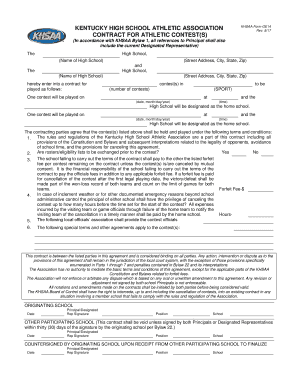


TC-569C, Survivorship Affidavit, does not apply, the applicant must submit: (i). (A) the certificate of title; or. (B) if registered in a nontitle state, the
Pursuant to Utah Code 75-3-1201, I hereby transfer the Certificate of Title issued for the vehicle identified on this statement to the new owner shown


