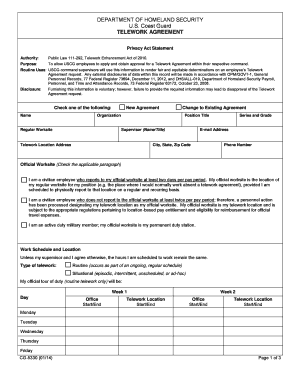
Definition & Meaning
A biweekly pay schedule is a payroll system where employees receive their wages every two weeks. This results in 26 paychecks in a calendar year. It is commonly chosen by employers for its consistency, allowing for predictable financial planning both from the employer’s and the employee’s perspective. This schedule ensures that employees receive regular compensation for their work without extensive delays, facilitating budgeting and expense management.
Who Typically Uses the Biweekly Pay Schedule
The biweekly pay schedule is often used by various types of organizations, including corporations, non-profits, and government entities. It suits businesses with steady cash flow and those that want to provide consistent pay to employees. Entry-level positions and service industry roles frequently adopt this schedule. Additionally, larger companies with comprehensive payroll systems might prefer it for ease of calculation and distribution. Employees usually benefit from regular income, aiding in financial planning and savings accumulation.


Key Elements of the Biweekly Pay Schedule
Several critical components define the biweekly pay schedule:
- Pay Period Duration: Each period consists of 14 days, typically starting and ending on specific days of the week, like Monday to Sunday or Saturday to Friday.
- Pay Dates: Employees are paid on set days, such as every other Friday or the 15th and last day of the month.
- Time Sheet Submission: Depending on company policy, time sheets, or work hours must be submitted by a specific deadline, such as the end of the workweek or a set date following the work period.
- Overtime and Deductions: Calculations for overtime, taxes, and other deductions are made based on the hours worked during the period, ensuring accuracy in payment.
These elements ensure the smooth operation of payroll processing and employee satisfaction.
How to Use the Biweekly Pay Schedule
Utilizing the biweekly pay schedule requires clear communication and structured processes. Employers must establish specific pay period start and end dates, with transparent pay dates for all employees. Payroll departments need to calculate earnings based on documented work hours, process any necessary deductions, and ensure timely distribution via chosen methods, such as direct deposit or checks. Maintaining organized records of pay stubs, hours worked, and deductions for future reference is essential for both employers and employees.
Steps to Complete the Biweekly Pay Schedule
Completing a biweekly pay schedule involves a series of steps:
- Establish Pay Periods: Define the 14-day cycles and communicate them to employees.
- Collect Time Sheets: Ensure timely submission of documented work hours from employees.
- Calculate Earnings: Process regular wages, overtime, and any unique compensation types.
- Apply Deductions: Consider taxes, benefits, and other standard deductions for accurate net pay.
- Finalize Payroll: Verify calculations and prepare payroll for approval.
- Distribute Pay: Provide compensation through the chosen method, adhering to predetermined pay dates.
Each step requires precise execution to guarantee employee satisfaction and compliance with legal and organizational guidelines.
Examples of Using the Biweekly Pay Schedule
Consider a company that pays employees every other Friday. If a new fiscal year begins on January 1st, the first pay date might be January 13th. Employees need to submit their hours worked from January 1st to January 14th by January 15th. Payroll processing includes these hours, along with any overtime or deductions, ensuring accurate paychecks are distributed on January 27th. This systematic approach helps in maintaining a predictable income stream and record-keeping.
Legal Use of the Biweekly Pay Schedule
Employers must comply with federal and state labor laws when implementing a biweekly pay schedule. This includes adhering to wage and hour laws, such as the Fair Labor Standards Act (FLSA), which governs overtime calculation and ensures minimum wage compliance. Clear documentation and transparent pay stubs with detailed earnings and deductions are required. Adhering to these legal frameworks protects both parties and mitigates any potential disputes or grievances.
Software Compatibility (TurboTax, QuickBooks, etc.)
Many businesses use payroll software like QuickBooks or payroll services that integrate directly with accounting software. This compatibility facilitates the seamless processing of biweekly payroll. Such systems automate calculations, deductions, and record-keeping, ensuring accuracy and efficiency. Companies using TurboTax must accurately input biweekly payroll data for year-end tax preparation. Automated systems reduce administrative burdens and errors, enhancing operational efficiency across financial processes.