




01. Edit your form online
Type text, add images, blackout confidential details, add comments, highlights and more.

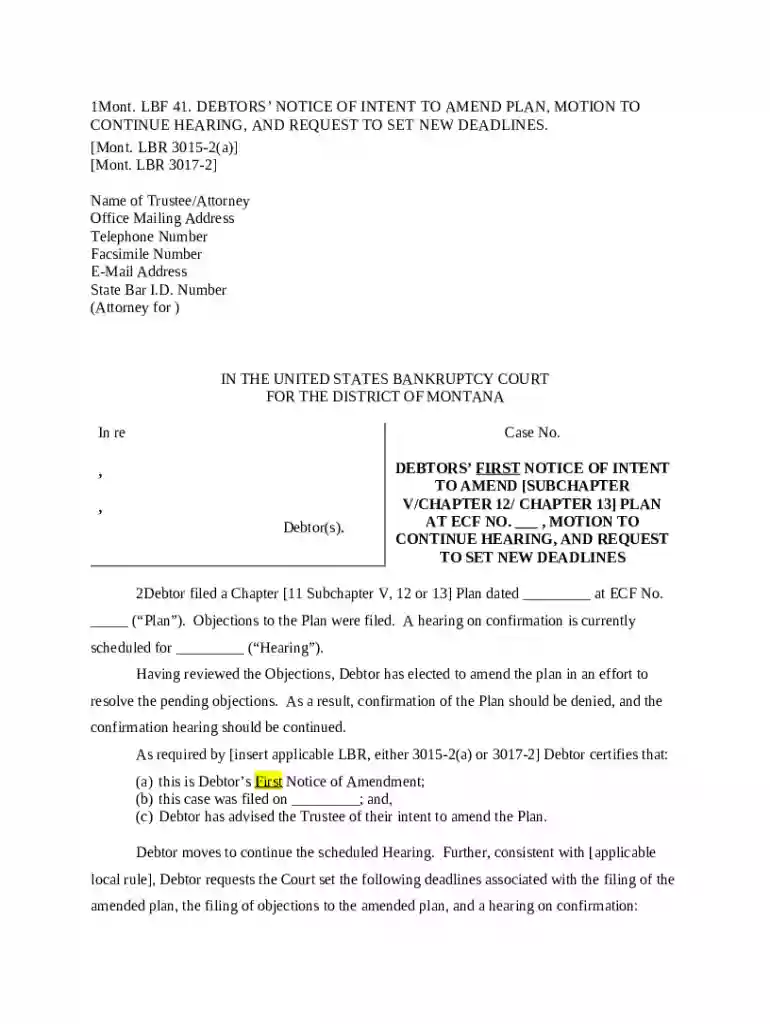
Type text, add images, blackout confidential details, add comments, highlights and more.

Draw your signature, type it, upload its image, or use your mobile device as a signature pad.

Send it via email, link, or fax. You can also download it, export it or print it out.
Amending a bankruptcy form involves altering a previously submitted document to reflect new or corrected information in a bankruptcy filing. It is essential when details initially provided are inaccurate or have changed, ensuring that the court and creditors receive the most up-to-date information. This can include adjustments to schedules of assets and liabilities, income, expenditures, or any other financial details critical to the bankruptcy proceedings.
Identify the Correct Form to Amend: Different forms serve various purposes in bankruptcy filings, including asset schedules, creditor lists, and income declarations. Confirm which form requires amending to ensure precise corrections.
Prepare the Amended Form: Retrieve the original form submitted and make necessary adjustments. Highlighting each change clearly in the amendment aids clarity.
Attach a Declaration: Most courts require a separate declaration detailing the amendments made, explaining why the changes were necessary.
File the Amended Form: Submit the amended document to the bankruptcy court. This can often be done via electronic filing systems, in person, or through mail, depending on the court’s requirements.
Notify Interested Parties: Send copies of the amended form to creditors, the bankruptcy trustee, and, if applicable, the U.S. Trustee’s office. Keeping everyone informed ensures compliance and helps prevent objections or misunderstandings.
Amending a bankruptcy form is crucial for several reasons:
Multiple parties engage with the amendment process:


Amending a bankruptcy form involves several key elements:
Bankruptcy filing procedures vary slightly:
Several critical timelines must be observed:
Various submission options exist:
Compatibility considerations include:
Certain paperwork is necessary for effective amendments:
At DocHub, your data security is our priority. We follow HIPAA, SOC2, GDPR, and other standards, so you can work on your documents with confidence.
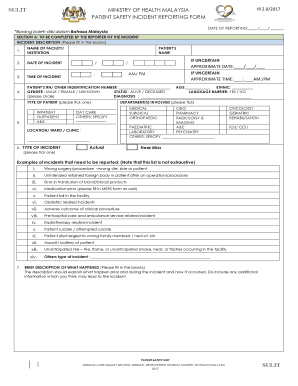


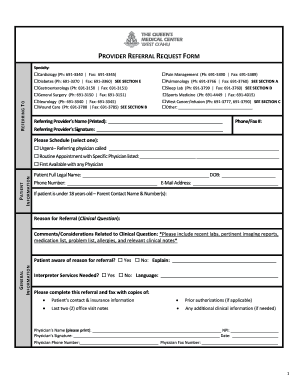


When amending forms and schedules, you must file the complete amended document with all information required by the form.
(1) promptly submit an amended verified statement with the correct number (Form 121); and. (2) give notice of the amendment to all entities required to be


