






Definition and Meaning of a Sushi HACCP Plan
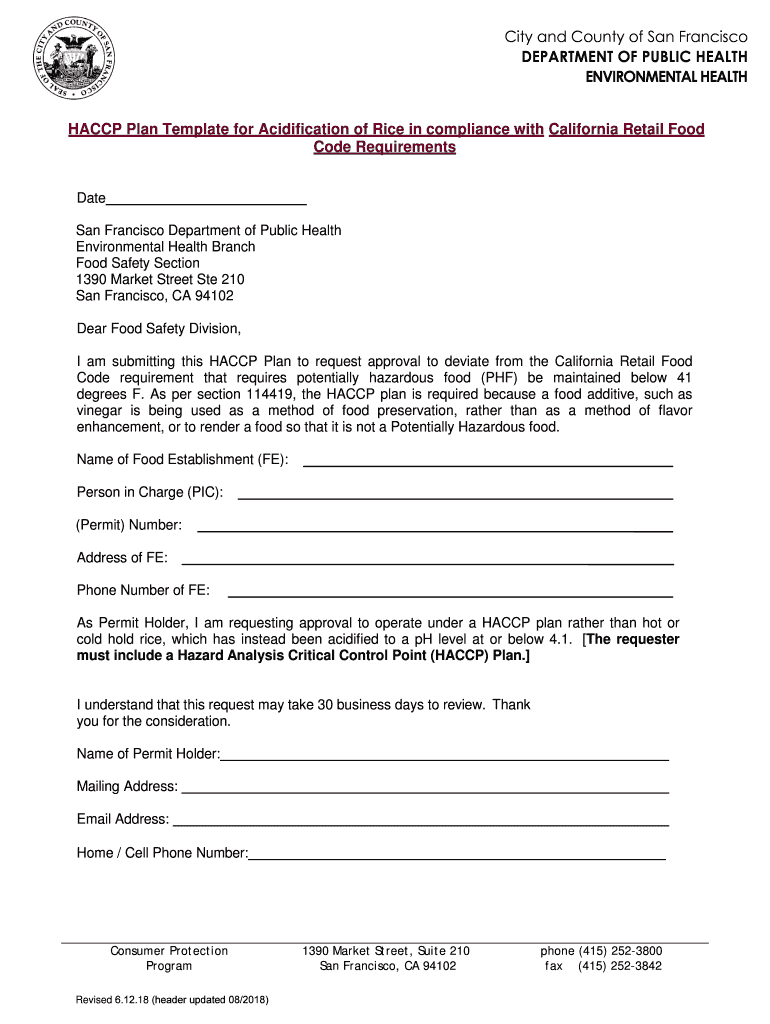
A sushi HACCP plan, or Hazard Analysis Critical Control Point plan, is a systematic approach to food safety that focuses on preventing biological, chemical, and physical hazards in food production processes. For sushi establishments, it ensures that rice is acidified safely using vinegar to minimize microbial risks, complying with the California Retail Food Code. It includes critical control points such as proper rice acidification, monitoring procedures, and corrective actions.
Key Elements of a Sushi HACCP Plan
An effective sushi HACCP plan includes the following key components:
- Hazard Analysis: Identifies potential hazards associated with sushi preparation and implements preventive measures.
- Critical Control Points (CCPs): Specific points in the process where hazards can be prevented, eliminated, or reduced to safe levels.
- Critical Limits: Thresholds that must be met at each CCP, such as the required pH level for acidified sushi rice.
- Monitoring Procedures: Steps to observe and record CCP compliance, ensuring safety standards are consistently met.
- Corrective Actions: Actions to be taken when deviations from critical limits occur.
- Verification Procedures: Activities including testing and auditing to confirm the plan's effectiveness.
- Record-Keeping: Documentation of all procedures, monitoring, corrective actions, and verification efforts.
Steps to Complete a Sushi HACCP Plan
- Conduct a Hazard Analysis: Examine each step of sushi preparation to identify potential hazards.
- Determine CCPs: Pinpoint where controls are essential to prevent hazards.
- Establish Critical Limits: Define acceptable criteria at each CCP, for instance, maintaining rice acidity at a specific pH.
- Implement Monitoring Procedures: Develop systematic methods to check compliance at CCPs.
- Apply Corrective Actions: Create a corrective plan for potential issues identified during monitoring.
- Set Verification Procedures: Introduce methods to verify the HACCP system's efficacy.
- Keep Records: Maintain detailed documentation of the processes involved.
Why You Need a Sushi HACCP Plan
A sushi HACCP plan is crucial for:
- Ensuring Food Safety: Reduces the risk of foodborne illnesses by managing hazards.
- Regulatory Compliance: Meets legal requirements set by food safety authorities like the California Retail Food Code.
- Consumer Confidence: Builds trust by demonstrating a commitment to maintaining high safety standards.
- Operational Efficiency: Streamlines food safety procedures, minimizing the risk of contamination.
Who Typically Uses a Sushi HACCP Plan
Sushi HACCP plans are primarily used by establishments involved in sushi production and service:
- Restaurants specializing in sushi or Japanese cuisine.
- Catering Companies that serve sushi at events or functions.
- Food Processing Plants that prepare sushi products for distribution.
Important Terms Related to Sushi HACCP Plan
- Acidification: The process of adding vinegar to rice to achieve a safe pH.
- pH Levels: A measure of acidity or alkalinity crucial in determining safety in sushi rice.
- Microbial Growth: Undesirable bacteria that can multiply if sushi is not properly handled.
- Control Point: A step at which an action to control a hazard can be applied.
Legal Usage and Compliance Requirements
Sushi establishments must ensure their HACCP plans comply with:
- Local Health Codes: Such as the California Retail Food Code.
- Federal Guidelines: HACCP principles established by the USDA and FDA.
- Documentation and Verification: Regular audits and records to prove ongoing compliance.
State-Specific Rules and Variations
While the fundamental principles of a HACCP plan are consistent, state-specific variations might include:
- Different pH Requirements: Based on local regulations.
- Frequency of Inspections: Varies by state and local jurisdictions.
- Training Requirements: May differ depending on regional food safety mandates.