







Definition and Meaning of the Discharge Summary following Psychiatric Hospital Care
The "Discharge Summary following Psychiatric Hospital Care" serves as a comprehensive document summarizing a patient's stay and treatment in a psychiatric hospital. This summary encapsulates crucial information such as the patient's diagnosis, treatment plan, medications prescribed during the stay, and recommendations for further care. Its primary function is to ensure continuity of care by communicating essential details to subsequent healthcare providers, facilitating a seamless transition from inpatient to outpatient status. In essence, it acts as a critical bridge in the patient's mental health care journey, providing all necessary parties with relevant and consistent information.
Key Elements of the Discharge Summary
A well-structured discharge summary is pivotal for effective communication. Key elements typically include:
-
Patient Information: This encompasses demographic details like the patient's name, date of birth, and medical record number, providing a clear identification of the individual.
-
Admission and Discharge Dates: These dates provide a timeframe for the duration of inpatient care, aiding in aligning follow-up schedules and interventions.
-
Diagnosis: A clear articulation of primary and secondary psychiatric and medical diagnoses is essential. This helps outpatient providers understand the patient's mental health status at discharge.
-
Medication Information: Detailed records of all medications prescribed at discharge, including dosages and administration schedules, are vital to ensure medication continuity and prevent adverse interactions.
-
Follow-Up Appointments: Includes schedules for upcoming appointments with psychiatrists, therapists, or other healthcare providers to support ongoing recovery.
-
Outpatient Care Recommendations: Consists of guidance on therapies and lifestyle changes aimed at promoting mental health well-being.
Steps to Complete the Discharge Summary
Creating an accurate discharge summary involves several methodical steps:
-
Gather Patient Information: Collect all pertinent data regarding the patient’s inpatient treatment, including clinical assessment notes and therapy details.
-
Summarize Treatment and Interventions: Compile information on treatments administered, including behavioral therapies and medication trials.
-
Collaborate with Multidisciplinary Teams: Interact with psychiatrists, psychologists, and social workers to ensure a comprehensive overview incorporating various professional insights.
-
Detail Follow-Up Plans: Clearly outline follow-up schedules, including specific contacts and appointment times, to ensure patient adherence to continuing care plans.
-
Ensure Accuracy and Clarity: Review the summary to confirm accuracy, using clear language to facilitate understanding by all potential readers.
Legal Use and Compliance
The discharge summary not only supports clinical care but also fulfills legal requirements. It is a critical document in conveying that the hospital has provided adequate care and communicated essential details to future care providers. Patients and authorized individuals have rights to access these summaries under U.S. health privacy laws such as HIPAA. Institutions must ensure that summaries are complete and securely transferred to maintain compliance with legal standards.
Who Typically Uses the Discharge Summary
This document is valuable to several stakeholders:
-
Primary Care Physicians: They use it to understand the mental health history as part of the overall health tracking.
-
Psychiatrists and Psychologists: These professionals rely on the summary to continue treatment plans initiated during hospitalization.
-
Family Members or Caregivers: With proper consent, they can use the information to understand the patient's condition and support their recovery process.
-
Insurance Providers: Insurers may require these summaries to validate the necessity and duration of inpatient care for reimbursement purposes.

Digital vs. Paper Versions
The evolution of medical record-keeping has seen a shift from paper to digital formats. Digital versions of discharge summaries offer several advantages over traditional paper versions, such as:
-
Enhanced Accessibility: Digital records can be accessed by authorized personnel securely, anytime and anywhere.
-
Streamlined Updates: Electronic updates are easily managed, ensuring records remain current without the need for physical documentation transport.
-
Increased Security: Digital versions can incorporate encryption and access logs to protect sensitive patient information.
Software Compatibility for Processing
The discharge summary can be integrated with various healthcare management systems, facilitating efficient data management and sharing. These systems may include:
-
Electronic Health Records (EHRs): Compatibility with platforms like Epic or Cerner ensures seamless integration into existing hospital systems.
-
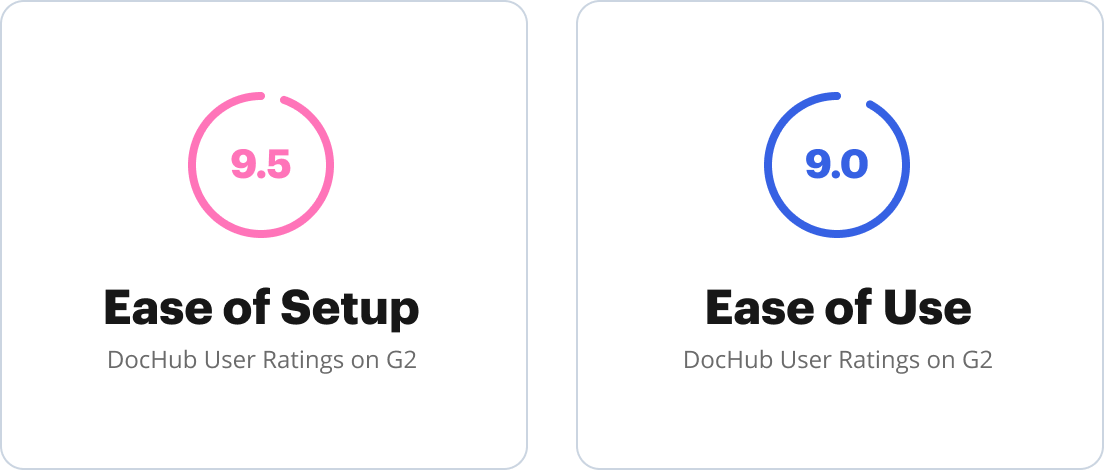
Document Management Software: Software such as DocHub can be used for editing and annotating digital documents, enhancing collaboration among caregivers.
State-Specific Rules for Discharge Summaries
Each state within the U.S. may have varied regulations regarding the format and content of discharge summaries. Healthcare professionals need to understand these differences to ensure compliance. For example:
-
Content Requirements: Some states may have specific mandates on what must be included in a discharge summary to be deemed legally adequate.
-
Data Privacy Laws: Variations in state-level data privacy regulations could influence how discharge summaries are handled and shared.
Understanding these nuances helps in formulating discharge summaries that not only fulfill clinical needs but also align with legal expectations, ensuring comprehensive and complaint documentation.




