Definition & Meaning
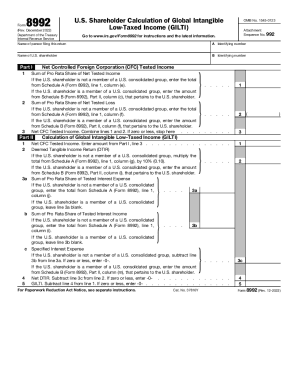
The Company Income Tax Return is an essential tax document that companies, including domestic, foreign, large, and small businesses, file to report their earnings, expenses, tax liabilities, and financial position. This form is crucial for complying with federal tax laws, calculating the correct amount of taxes owed, and ensuring accurate records for governmental oversight. A typical Company Income Tax Return may include sections on business income, deductions, credits, net profits, and the resultant tax obligations. Filing this return allows companies to formally declare their financial activities to the Internal Revenue Service (IRS) and is vital for maintaining transparency and compliance within their operations.
Steps to Complete the Company Income Tax Return
-
Gather Necessary Information:
- Collect your business's financial records, including profit and loss statements, balance sheets, and receipts.
- Ensure that all transactions and accounts are up-to-date.
-
Identify Taxable Income:
- Calculate total revenue earned within the fiscal year.
- Deduct any eligible expenses to determine the net taxable income.
-
Calculate Tax Deductions and Credits:
- Include itemized deductions and any tax credits your business might qualify for, such as deductions for business expenses, depreciation, and charitable contributions.
-
Complete the Form:
- Fill out each section of the tax return, ensuring accuracy in reported figures.
- Use software or consult with a tax professional if needed for complex tax situations or interpretations.
-
Review and Submit the Return:
- Double-check all entries for accuracy and completeness.
- Submit the completed form by the stipulated deadline either electronically or via mail.
Key Elements of the Company Income Tax Return
- Business Income: All sources of earnings that a company generates need to be reported, including sales revenue, interest, dividends, and rental income.
- Deductions and Credits: These reduce the total taxable income, thereby lowering tax liability. They encompass costs such as salaries, operating expenses, loan interest, and specific federal or state tax credits.
- Tax Computations: This includes applying the appropriate corporate tax rate to the taxable income to ascertain the tax due for the period.
- Financial Position Statement: Provides a snapshot of the company's assets, liabilities, and equity as of the fiscal year-end.
- Declarations: Must be signed by an authorized officer confirming the accuracy and truthfulness of the provided information.
Required Documents
- Profit and Loss Statement: Summarizes revenues, costs, and expenses incurred during a specific period.
- Balance Sheet: Details the company's financial condition at a particular point in time, showing what the company owns and owes.
- Receipts: Proof of both income and expenses, including sales and purchase records.
- Previous Tax Returns: Past years' filings can provide reference and consistency checks for the current year.
- Supporting Schedules: Attached forms or schedules that detail specific tax deduction claims and income types.
Filing Deadlines / Important Dates
- Federal Deadline: Typically, the deadline for filing a Company Income Tax Return is on the 15th day of the fourth month after the end of the company's fiscal year. For those on a calendar year, it would be April 15.
- Extensions: Companies can file for an extension typically for six months, which gives more time to complete the filing but does not extend the payment deadline.
- State Deadlines: Vary across different states, often but not always aligning with federal deadlines.
Form Submission Methods (Online / Mail / In-Person)
- Online Filing: The most efficient method, often through the IRS e-file system or authorized third-party services. Provides confirmation and tracking.
- Mail: Filing by mail is still available but requires more time for processing and confirmation.
- In-Person: Typically not an option, although tax advisors or certified public accountants may submit the return on behalf of a company.
Business Entity Types (LLC, Corp, Partnership)
Each entity type has unique tax obligations, which are reflected in the Company Income Tax Return:
- Corporations (C Corp): File tax returns on their profits, subject to corporate taxes.
- S Corporations: Pass profits and losses directly to owners' personal income, with returns reflecting this flow-through structure.
- Limited Liability Companies (LLCs): May choose to file as a corporation or pass-through entity.
- Partnerships: Allocate tax obligations among partners as per their shares, typically requiring individual partners to report this income on their personal tax returns.
Penalties for Non-Compliance
- Late Filing Penalties: Imposed if the return is not filed by the deadline without an extension; usually calculated as a percentage of the unpaid taxes.
- Late Payment Penalties: Apply if the tax is due but not paid by the initial filing deadline, even if an extension to file is granted.
- Inaccurate Information Penalties: Severe fines may be imposed for significant errors, omissions, or fraudulent reporting.
- Failure to File Penalties: Possibly resulting in significant monetary fines or increased scrutiny from the IRS, affecting future returns and audits.
By comprehensively addressing each element, companies can ensure compliance while leveraging available benefits to minimize tax liabilities effectively.