






Definition and Meaning of School Grades Based on Standardized Test Scores
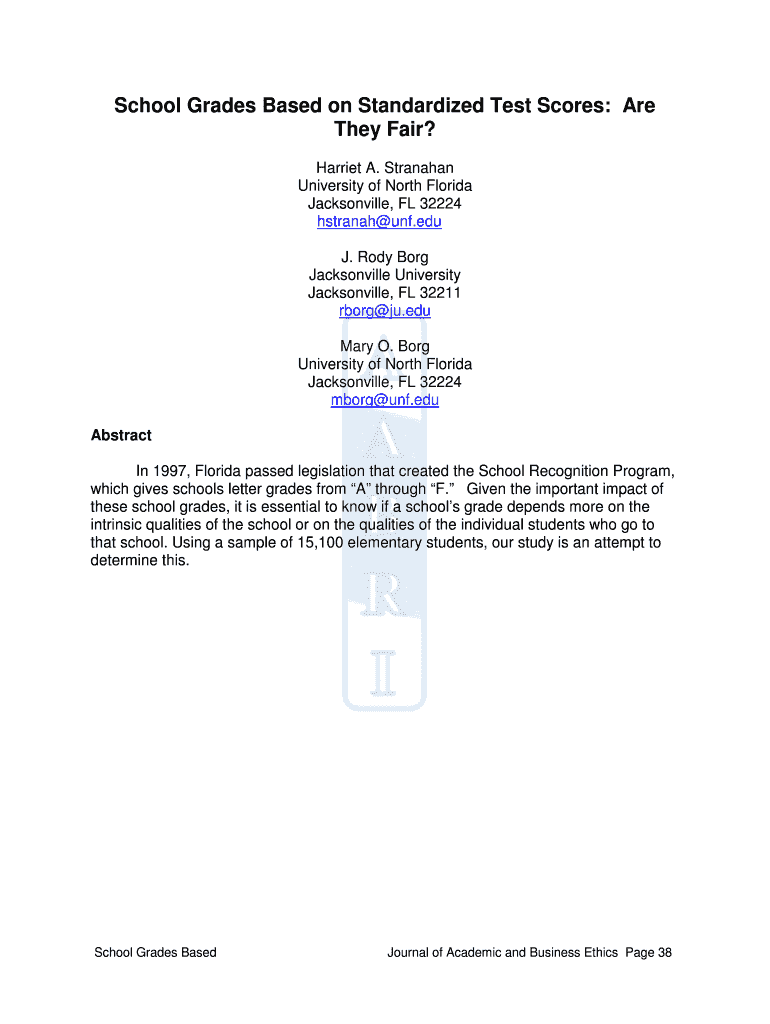
School grades based on standardized test scores are metrics used to evaluate educational institutions' performance, typically in primary and secondary education. These grades often derive from students' results on standardized assessments, aiming to provide a quantifiable measure of school effectiveness. Primarily, they reflect the extent to which schools meet educational benchmarks set by governing bodies, such as state education departments.
Standardized tests serve as uniform evaluations designed to measure students' academic performance across various subjects such as mathematics, reading, and science. These results are aggregated to formulate school grades, which can influence public perception, funding, and policy decisions. This system's intent is to ensure accountability in education and provide stakeholders with a comprehensive view of school quality. However, it's important to consider broader factors affecting these grades, such as socioeconomic status and resource availability.
Importance of School Grades Based on Standardized Test Scores
Understanding the reasons behind assigning school grades based on standardized test scores is crucial. These grades are significant for multiple stakeholders, including parents, educators, policymakers, and the schools themselves. They serve as a tool for accountability, helping parents choose the best educational environment for their children while guiding school administrators in identifying areas needing improvement.
Grades can impact funding allocations, with higher-performing schools often receiving more resources. Therefore, standardized test scores are seen as a method to drive educational equality. By identifying underperforming schools, policymakers can address disparities through targeted interventions and provide necessary support to enhance educational outcomes.
Key Elements of School Grades Based on Standardized Test Scores
The formulation of school grades from standardized test scores generally involves several core elements:
- Student Performance: Results from standardized tests in core subjects.
- Achievement Growth: Measures of how much students progress academically over time.
- Equity Considerations: Adjustments or added weight for performance by disadvantaged or minority student groups.
- Readiness Indicators: College and career readiness metrics, usually for high schools, based on test scores and other factors such as graduation rates.
Ultimately, these elements combine to provide an overarching grade that reflects not just student achievement but the overall quality and effectiveness of the school's educational system.
State-Specific Rules for School Grades
Each U.S. state may have its variations on grading systems and the specific standardized tests used. For instance, Florida's grading includes the Florida Comprehensive Assessment Test (FCAT) scores. State-specific rules may dictate how much weight different components carry, such as student progress or additional academic metrics like attendance rates.
States also maintain individual timelines for results dissemination and may implement supplementary assessments. These specific rules align with state education standards, which can affect how grades are perceived and utilized across different regions.
Steps to Interpret School Grades from Standardized Test Scores
-
Obtain Test Results: Schools receive standardized testing scores from state education departments or testing agencies.
-
Aggregate Data: Scores are compiled, often categorized by subject, grade level, and demographic group.
-
Apply Weighting Criteria: Different elements are weighted according to state guidelines to determine the final grade.
-
Review Disparities: Examine for any disparities among student subgroups to adjust grading for fairness and equity.
-
Report Findings: Schools publish the grades, often included in annual reports or public databases, providing transparency to the community.
-
Implement Changes: Schools use these insights to identify strengths and weaknesses, creating improvement plans focusing on areas needing growth.
Examples of Using School Grades from Standardized Tests
Schools use these grades to:
- Enhance Accountability: Administrators can leverage this data to justify instructional methods and resource allocation.
- Foster Community Trust: Communicating performance through grades helps build trust with parents and stakeholders.
- Shape Educational Policies: Policymakers develop strategies for educational reform grounded in objective data from these grades.
In some districts, consistent grade improvements can lead schools to become models for best practices, sharing successful strategies with other schools.
Real-world Impact on Schools and Students
The analysis of school grades influences various aspects, such as:
- Resource Allocation: Disparities in grades can highlight the need for investment in struggling schools, promoting more equitable resource distribution.
- Teacher Evaluations: Educators' performances may be indirectly assessed through these grades, affecting professional development opportunities.
- Student Motivation: Grades can impact student morale and parents' involvement in educational activities, often reflecting broader community engagement levels.
Through these impacts, standardized test scores serve not just as performance metrics but as a driving force for systemic improvements in the educational landscape.