






Definition and Significance of Celiac Disease in Adults
Celiac disease in adults, also known as "enfermedad celíaca en el adulto," is a chronic autoimmune disorder triggered by the ingestion of gluten, a protein found in wheat, barley, and rye. This immune reaction damages the villi in the small intestine, impairing nutrient absorption and leading to various health issues. Understanding celiac disease is crucial for both healthcare providers and patients to ensure proper diagnosis and management, as the disease often presents with subtle or atypical symptoms beyond classic gastrointestinal issues.
Prevalence and Underdiagnosis
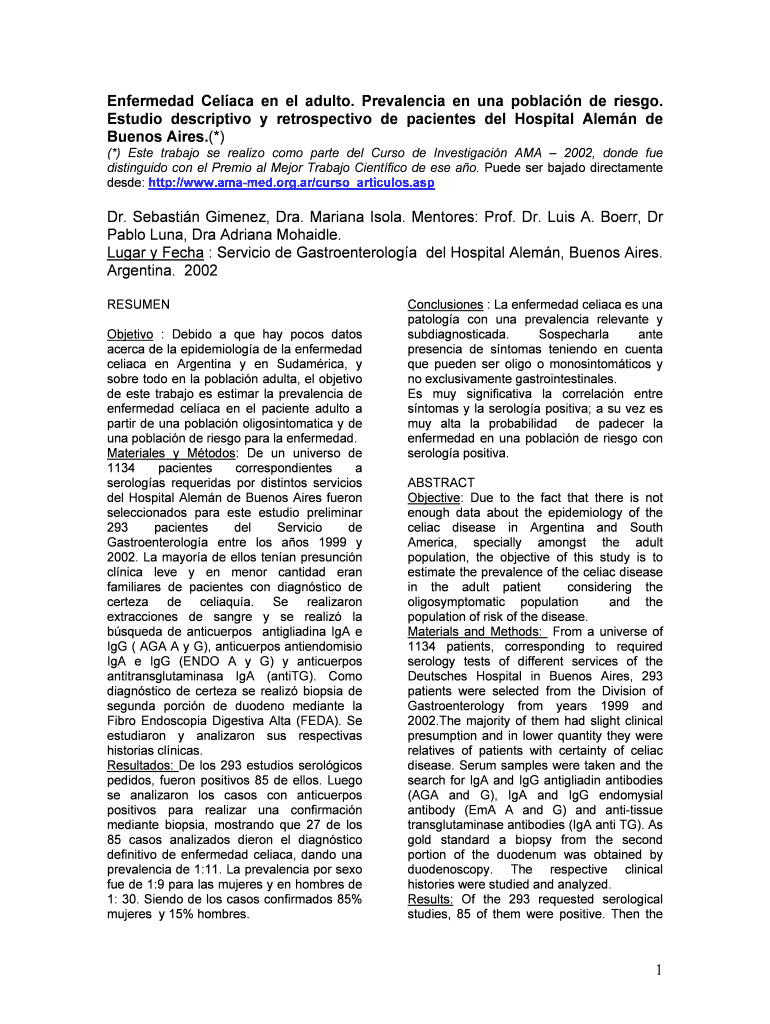
Recent studies, such as the one conducted at Hospital Alemán in Buenos Aires, indicate a celiac disease prevalence of 1:11 among adults. However, many cases remain undiagnosed, particularly among adults who may experience less obvious symptoms or those who attribute the symptoms to other conditions. Increased awareness and systematic screening are essential to identify and support affected individuals.
Steps to Accurately Diagnose Celiac Disease
Diagnosing celiac disease involves several clinical and laboratory assessments, ensuring accurate identification and management.
Initial Consultation and Medical History
- Discuss Symptoms: Patients should present any symptoms, including digestive problems, fatigue, or unexplained anemia, to their healthcare provider.
- Family History Assessment: Check for a family history of celiac disease or related autoimmune disorders, as genetics play a significant role.
Laboratory Tests
- Serological Testing: Initial blood tests to identify antibodies typically elevated in celiac disease, such as tTG-IgA.
- HLA Genetic Testing: Although not definitive alone, HLA-DQ2 and HLA-DQ8 genotyping can help rule out celiac disease in uncertain cases.
Confirmatory Diagnosis
- Endoscopic Biopsy: If blood tests indicate celiac disease, an endoscopy with a biopsy of the small intestine confirms the diagnosis by revealing villous atrophy.
Managing Celiac Disease in Adults
Effective management of celiac disease is vital for alleviating symptoms and preventing complications.
Gluten-Free Diet Implementation
- Dietary Education: Patients should work with a dietitian skilled in celiac disease to adapt to a gluten-free diet.
- Cross-Contamination Prevention: Educate on avoiding cross-contamination at home and in restaurants for sustained symptom management.
Regular Monitoring and Health Assessment
- Follow-up Visits: Regular check-ups with a healthcare provider to monitor symptoms and nutritional deficiencies.
- Nutritional Supplements: Depending on the evaluation, supplements like iron or vitamin D may be necessary.
Who Typically Suffers from Celiac Disease in Adulthood?
Celiac disease can affect any adult, but certain groups are at a heightened risk.
Risk Factors
- Gender: As observed in studies, women are significantly more at risk than men.
- Genetic Predisposition: Individuals with a first-degree relative with celiac disease have a higher likelihood of developing the disease.
Associated Conditions
- Type 1 Diabetes: People with this condition are more prone to celiac disease.
- Other Autoimmune Disorders: Conditions such as autoimmune thyroid disease often coexist with celiac disease.
Importance of Awareness and Screening
Awareness and proactive screening are critical to managing celiac disease effectively.
Early Detection Benefits
- Prevention of Complications: Timely diagnosis and dietary adjustments can prevent complications, such as malnutrition or osteoporosis.
- Quality of Life Improvements: Patients generally experience significant improvements in symptoms and well-being once a gluten-free diet is consistently followed.
Role of Healthcare Providers
Healthcare providers should maintain a high index of suspicion for celiac disease in patients with unexplained symptoms and offer screening, especially in at-risk populations.
Key Elements in Screening and Managing Celiac Disease
Implementing effective screening and management practices requires understanding key elements of celiac disease care.
Comprehensive Patient Education
- Dietary Training: Empower patients with knowledge to make informed food choices in various settings.
- Symptom Tracking: Encourage keeping a food and symptom diary to help identify potential accidental gluten exposures.
Multidisciplinary Approach
- Collaboration with Dietitians: Ongoing sessions with skilled dietitians can maintain patient adherence and address dietary challenges.
- Coordination with Specialists: Engagement with gastroenterologists and genetic counselors enhances comprehensive care.
Practical Examples of Managing Celiac Disease
Consider real-world scenarios to appreciate effective celiac disease management.
Case Studies
- Atypical Presentation: Adult patients presenting with unexplained anemia later diagnosed with celiac disease through blood tests followed by biopsy.
- Dietary Success Story: Patients experiencing significant symptom relief and improved energy levels after three months on a strict gluten-free diet.
These examples highlight the necessity of thorough diagnosis, patient education, and ongoing support for managing celiac disease in adults.