






Definition & Historical Context
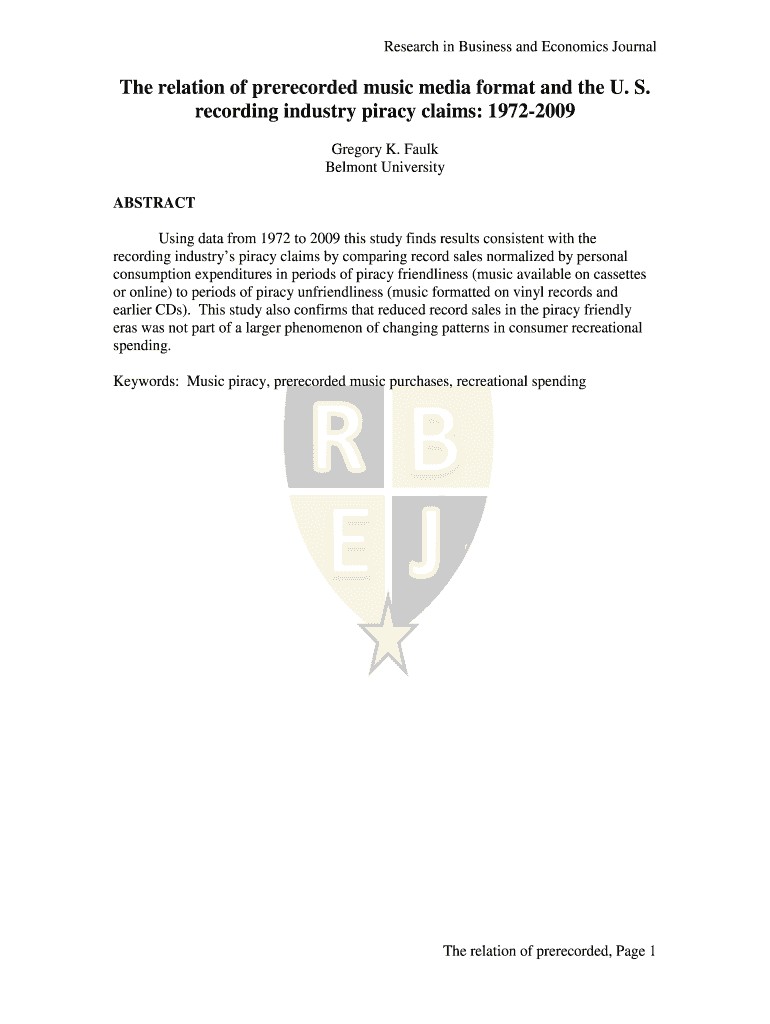
The relation between prerecorded music media formats and the U.S. Billboard charts is a complex subject that highlights the evolution of music consumption and distribution. Over the decades, various formats such as vinyl records, cassette tapes, CDs, and digital downloads have played pivotal roles in shaping the music industry. These changes have influenced how artists release music and how records are tracked and ranked in the United States. Understanding this evolution provides insights into the industry's adaptation to technological advancements and consumer preferences.
Key Elements of Music Media Formats
Music media formats have evolved significantly, each bringing unique characteristics and impacting how music is consumed.
- Vinyl Records: Known for their analog sound quality, vinyl records were the primary medium before the digital age.
- Cassette Tapes: Portable and recordable, cassettes allowed for more personal and customizable listening experiences.
- Compact Discs (CDs): Offered improved sound quality and durability over vinyl and cassettes, revolutionizing music production in the 1980s and 1990s.
- Digital Downloads/Streaming: These formats provide instant access to a vast library of music, transforming consumption patterns and greatly influencing the U.S. Billboard charts.
How Different Formats Influence Billboard Rankings
The U.S. Billboard charts have traditionally been a reflection of music popularity and sales. Each media format shift has led to changes in how these charts are compiled and evaluated.
- Transition from Physical to Digital: As digital formats became more prevalent, the Billboard charts began incorporating digital downloads and streaming data alongside physical sales.
- Impact on Sales Tracking: Shifts in format necessitated changes in sales tracking, requiring methodologies to account for the ease of access and distribution in digital media, which significantly affects chart positions.
Steps to Understand the Impact on the U.S. Billboard
To grasp the full impact of prerecorded music media formats on the U.S. Billboard charts, it is essential to consider the following steps:
- Review Format Introduction Timeline: Examine when each format was introduced and the context of its emergence.
- Analyze Sales Data Over Time: Consider how sales figures for different formats contributed to chart compositions and transitions.
- Consider Technological Innovations: Assess the influence of technology on both media formats and chart compilation methods.
Legal and Industry Standards Related to Music Media
The recording industry operates under various legal standards that regulate how music media is produced, sold, and tracked.
- Copyright Laws: Protecting intellectual property rights is crucial for managing media formats and ensuring artists and producers are remunerated fairly.
- RIAA Guidelines: The Recording Industry Association of America sets standards for music sales certifications which have evolved alongside media formats.
Case Studies: Media Formats and Their Transformative Effects
Examining specific instances can elucidate the widespread effects of media format changes on the industry.
- Rise of the Cassette Tape: Led to increased music piracy but also personalized music collections through mixtapes.
- Introduction of CDs: Triggered a renaissance in music production with its superior audio fidelity.
- Digital Revolution: Enabled unprecedented access to music, leading to dynamic changes in how Billboard charts are calculated and understood.
Impact on Artists and the music industry
The evolution of prerecorded music formats has had profound effects on both the artists and the broader music industry.
- Artist Revenue Models: Shifts in format changed how artists earn revenues, moving from physical album sales to royalties from digital streams.
- Industry Adaptation: The music industry has continually adapted to maximize the potential of each new format, from enhancing distribution networks to exploring marketing strategies that align with consumer habits.
Examples of Using Billboard Data to Analyze Format Shifts
Billboard data serve as a crucial tool for understanding the impact of media formats on music consumption.
- Vinyl Resurgence: Recent years have seen a niche resurgence in vinyl record sales, which is reflected in Billboard's tracking data.
- Streaming Dominance: Analyzing how streaming dominates contemporary rankings offers insights into current consumer preferences and industry strategies.
Important Terms Related to Music Media and the U.S. Billboard
Understanding the terminology associated with prerecorded music media formats and Billboard charts is crucial for a thorough analysis.
- RIAA Certification: Recognizes sales milestones across different formats, providing a benchmark for industry success.
- Streaming Equivalency: A method used by Billboard to equate streaming numbers to physical sales, ensuring comprehensive charting for all formats.
- Piracy: Refers to unauthorized copying and distribution, significantly impacting sales and chart rankings, particularly during the cassette and early digital eras.
By exploring these facets, the interplay between prerecorded music media formats and the U.S. Billboard can be thoroughly understood, offering valuable insights into the present and future of the music industry.