






Definition & Meaning
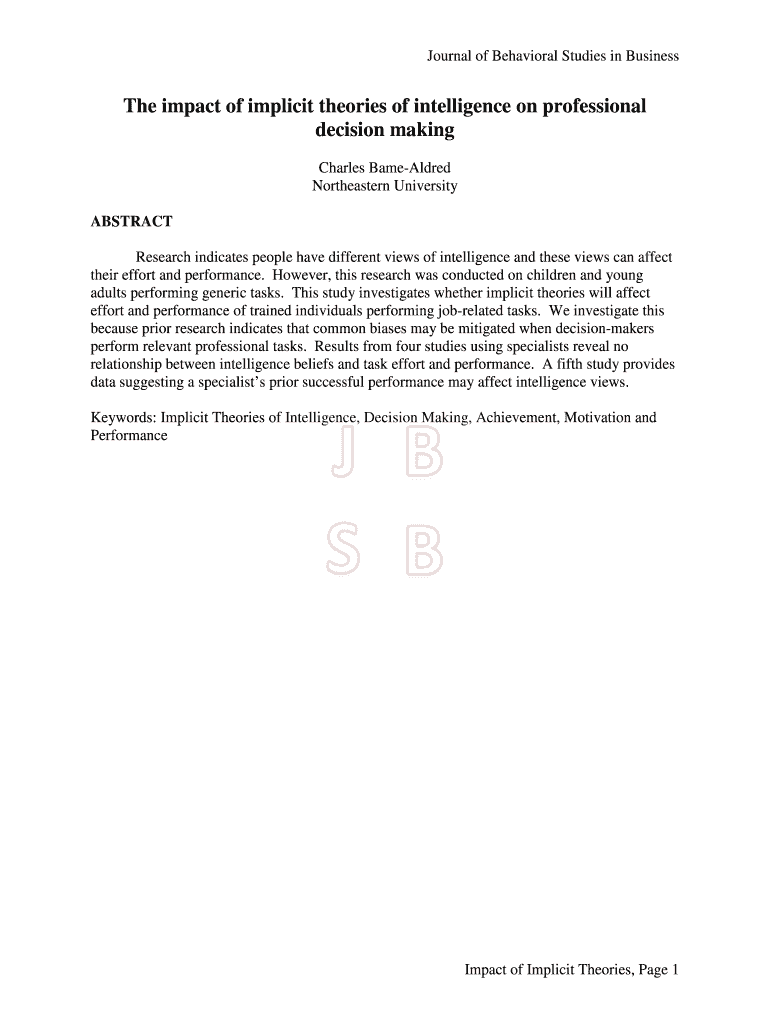
The concept of implicit theories of intelligence revolves around individuals' beliefs about the nature of intelligence. These beliefs can be categorized primarily into two types: fixed and growth mindsets. A fixed mindset implies that intelligence is static and unchangeable, while a growth mindset suggests that intelligence can be developed over time with effort and proper strategies. In professional settings, these implicit theories can subtly influence decision-making, perseverance in tasks, and receptivity towards learning new skills.
Key Elements of Implicit Theories in Professional Contexts
- Belief Types: Recognizing whether an individual possesses a fixed or growth mindset is crucial. This awareness can help tailor motivational strategies to improve performance.
- Influence on Decisions: These theories can impact how professionals approach problem-solving, risk-taking, and adapting to change.
- Impact on Performance: Professionals with a growth mindset often exhibit higher resilience and adaptability, which can lead to improved performance and career advancement opportunities.
Steps to Apply Implicit Theories in Work Environments
- Identify Mindsets: Conduct assessments to determine the prevalent mindsets within your team. Use surveys or psychological tools designed to reveal implicit beliefs about intelligence.
- Foster a Growth Mindset Culture: Encourage ongoing learning and development. Provide training workshops that promote the idea that skills can be cultivated through effort.
- Feedback Mechanism: Implement a system for regular, constructive feedback that focuses on effort and strategy rather than innate ability.
Examples of Professional Applications
- Creative Industries: Growth mindsets encourage innovation and experimentation, which are essential in creative roles.
- Corporate Leadership: Executives with a growth mindset may be more open to transformational leadership styles, fostering an environment where employees are encouraged to grow.
- Education and Training: Educators who believe in the malleability of intelligence can tailor their teaching methods to meet diverse learning needs.
How to Use Implicit Theories of Intelligence to Improve Performance
- Human Resources: Use insights from implicit theories to refine recruitment strategies and professional development programs, ensuring alignment with growth-oriented practices.
- Team Building: Encourage cross-functional teams to adopt growth mindset principles, which can enhance collaboration and problem-solving capabilities.
Legal Use of Implicit Theories in Professional Settings
While implicit theories primarily influence psychological aspects of professional life, awareness and ethical application of these theories can contribute to fairer hiring practices and equitable employee evaluations. Organizations must ensure that interventions or assessments related to these theories comply with legal guidelines concerning workplace equality and discrimination.
State-Specific Considerations in the United States
In the U.S., different states may have varying approaches to integrating implicit theories of intelligence into professional development frameworks. For example, some states may incorporate these theories into educational standards or workforce development programs more aggressively than others.
Why Recognizing Implicit Theories is Critical in Business
Understanding and leveraging implicit theories of intelligence can be a game-changer in business environments. By recognizing these psychological drivers, businesses can adopt more tailored approaches to employee motivation, engagement, and performance, ultimately leading to better organizational outcomes.