






Definition and Meaning
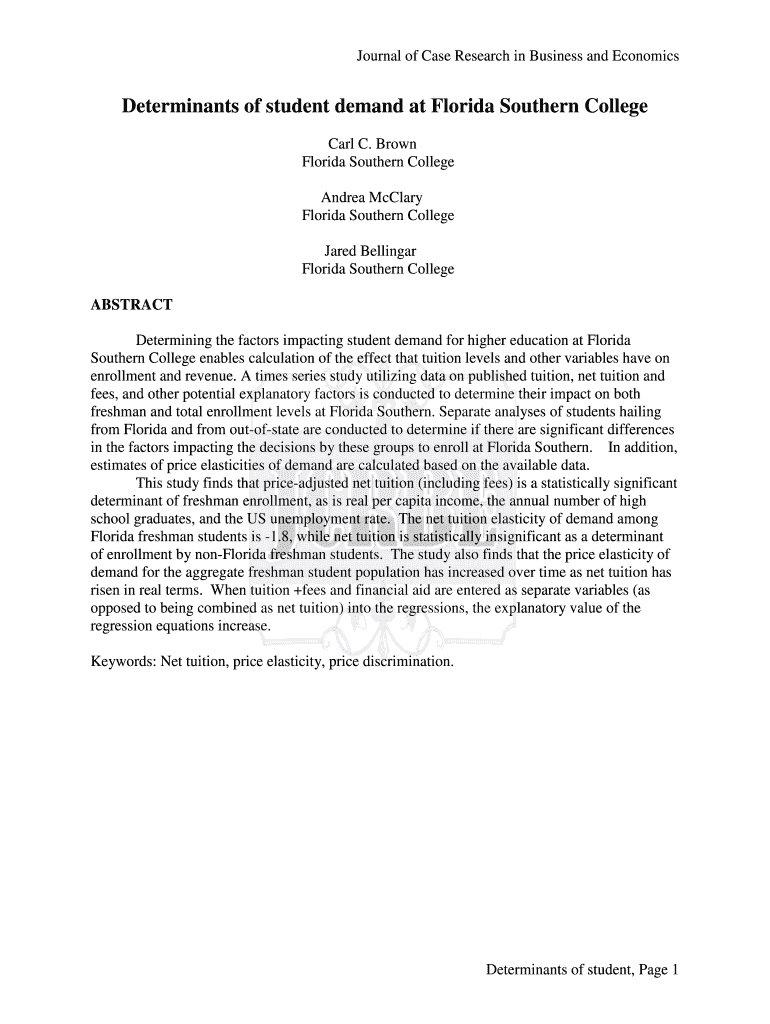
The concept of "Regional Differences in the Price-Elasticity of Demand for" refers to the variation in how different regions respond to changes in the price of a product or service concerning the quantity demanded. Price elasticity of demand measures the sensitivity of consumers to price changes, and this responsiveness can vary substantially across different geographical areas due to factors such as consumer preferences, availability of substitutes, income levels, and cultural influences. Understanding these regional differences is crucial for businesses and policymakers when setting pricing strategies and making economic decisions.
Key Elements of the Regional Differences in the Price-Elasticity of Demand
Several key elements are important in analyzing regional differences in price elasticity:
-
Consumer Income Levels: Variations in average income across regions can influence how price changes affect demand. Higher-income areas might show less sensitivity to price changes compared to lower-income regions.
-
Availability of Substitutes: Regions with more alternatives or substitutes might have a higher price elasticity of demand, as consumers can easily switch to different products or services if prices increase.
-
Cultural Preferences: Local tastes and preferences can impact price elasticity, with regions having unique cultural demands potentially exhibiting different elasticity.
-
Market Competition: The extent of competition in a region can affect elasticity, where markets with more competitors often see greater elasticity due to more alternatives for consumers.
Steps to Analyze Regional Differences in Price-Elasticity
Understanding the regional differences in price elasticity involves systematic analysis:
-
Collect Regional Data: Compile information on consumer income, spending habits, substitute availability, and cultural preferences for each region.
-
Conduct Surveys: Use consumer surveys to gather data on how price changes influence purchasing decisions across various regions.
-
Analyze Market Conditions: Evaluate the regional market structure, including competition levels and the presence of substitute goods.
-
Estimate Elasticity: Apply econometric models to estimate the elasticity of demand for each region, considering the collected variables.
-
Compare Results: Assess the differences in elasticity estimates across regions to identify patterns and potential causes.
Examples of Using Regional Differences in Price-Elasticity
Several real-world scenarios illustrate practical uses:
-
Retail Strategy: A national retailer can use regional elasticity data to adjust pricing strategies, potentially lowering prices in highly elastic markets to boost sales while maintaining higher prices in less elastic regions.
-
Policy Making: Governments might consider regional elasticity differences when imposing taxes on products; regions with high elasticity might see smaller tax increases to avoid significant reductions in demand.
-
Marketing Campaigns: Businesses could tailor marketing efforts based on regional elasticity insights, emphasizing price promotions in regions with higher elasticity to drive short-term sales increases.
State-Specific Rules for Price-Elasticity Analysis
Different states may have unique regulations and economic conditions that impact the analysis of price elasticity:
-
Tax Policies: Variations in state tax laws can affect consumer prices and should be considered when analyzing price elasticity.
-
Regulatory Environment: States with different levels of regulatory control over industries might exhibit unique elasticity characteristics due to varying market dynamics.
-
Economic Initiatives: State-level economic development initiatives can influence regional consumption patterns and price responsiveness.
Business Types That Benefit Most from Understanding Regional Differences
Certain businesses can leverage regional elasticity insights more effectively:
-
Consumer Goods Manufacturers: Companies producing widely consumed products can optimize pricing across regions to maximize revenue and market penetration.
-
Telecommunications Companies: Regional elasticity analysis helps in pricing plans and offers that cater to diverse regional markets with differing sensitivities.
-
Automotive Industry: Understanding elasticity helps automotive companies price vehicles appropriately in different regions, taking into account regional purchasing power and preferences.
Digital vs. Paper Version of Analysis Reports
In the modern business environment, the digital format offers advantages over traditional paper reports:
-
Accessibility: Digital reports are easier to distribute and access, especially for teams spread across different regions.
-
Real-Time Updates: Digital formats allow for real-time data updates, providing current insights into regional elasticity changes.
-
Interactive Features: Digital reports can include interactive elements like graphs and charts that enhance understanding of regional elasticity data.
Integration with Analytical Software
Businesses can integrate their elasticity analysis with popular analytical tools:
-
Compatibility with Excel: Most regional elasticity analyses can be conducted using spreadsheets, allowing detailed data manipulation and visualization.
-
Integration with Statistical Software: Tools like Stata or R can handle complex econometric models required for elasticity estimation and provide robust analytical capabilities.
-
Cloud-Based Solutions: Cloud platforms enable collaborative analysis and data sharing across departments, enhancing decision-making processes.
By understanding regional differences in price elasticity, businesses and policymakers can make informed strategic decisions tailored to specific market conditions, thereby maximizing effectiveness and efficiency in pricing strategies.