






Definition and Meaning of Partnerships and Associations
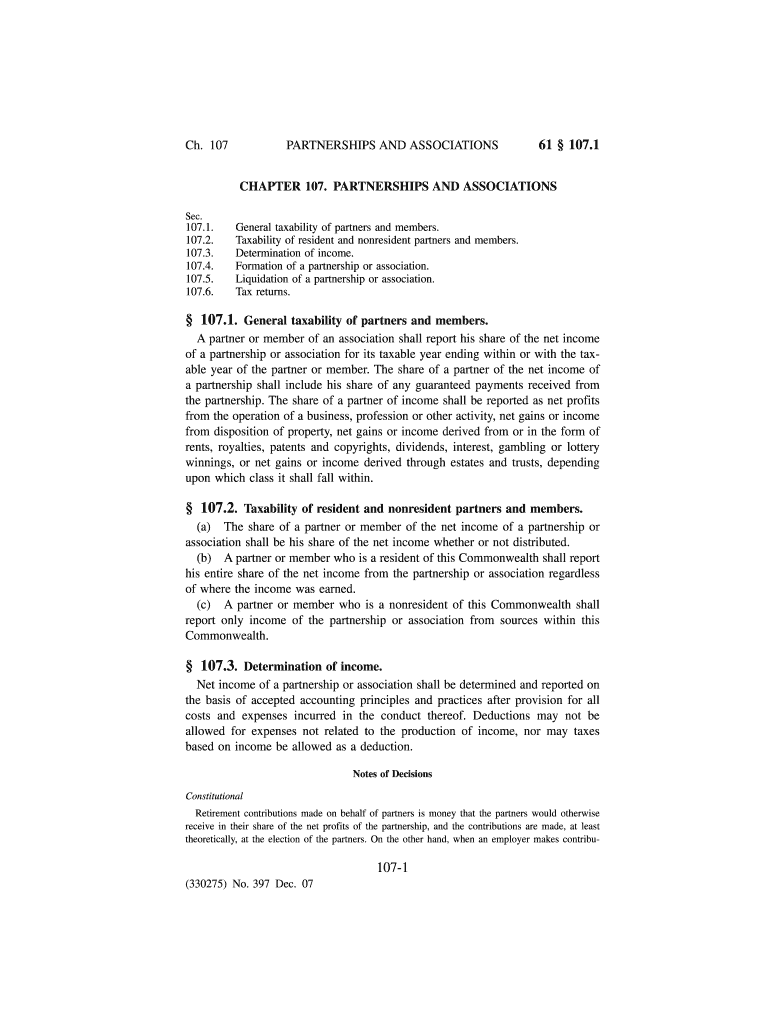
Partnerships and associations are often used interchangeably, but they have distinctive characteristics in legal and business contexts. A partnership involves two or more individuals or entities conducting business together with the intent of sharing profits and losses. Associations, on the other hand, are typically non-profit groups formed for collective purposes, such as achieving a common goal or advocating for shared interests. For tax purposes, partnerships and associations can differ in structure, liability, and operational requirements.
Key Characteristics
- Partnerships: Formed for profit, partners share liabilities and responsibilities, and the entity is not taxed at the partnership level; rather, profits and losses pass through to partners.
- Associations: Usually non-profit, members unite for a common purpose, and the organization might benefit from tax exemptions.
Practical Implications
Understanding these terms is crucial for determining tax obligations, liability exposure, and the efficacy of business operations, especially when forming or managing these entities.
Key Elements of the Partnerships and Associations Form
Filing the Partnerships and Associations form requires careful preparation and understanding of its components. The purpose of this form can vary based on its application, but generally, it includes sections capturing essential information about the business entity.
Essential Sections
- Entity Information: Basic details about the partnership or association, such as name, address, and purpose.
- Financial Data: Income statements, balance sheets, and other financial documentation, which are crucial for tax reporting.
- Ownership and Member Details: A list of partners or association members, their ownership percentages, and roles within the organization.
Detailed Requirements
Each section must be accurately completed to ensure compliance and avoid errors that could lead to penalties or audits.
Steps to Complete the Partnerships and Associations Form
Filling out the Partnerships and Associations form involves several detailed steps to ensure accuracy and compliance.
-
Gather Required Documents: Collect all necessary financial documents, ownership agreements, and identification for the partners or members.
-
Complete Entity Information: Accurately fill in details about the partnership or association, including legal name and address.
-
Record Financial Information: Input income, expenses, assets, and liabilities correctly while adhering to accepted accounting principles.
-
Detail Ownership Structure: Provide an overview of each partner or member’s contribution and shareholding in the entity.
-
Review and Verify: Double-check all entries for accuracy and completeness before submission.
Comprehensive documentation and thorough review are essential to prevent mistakes.
Eligibility Criteria for Partnerships and Associations
Several factors determine eligibility for forming a partnership or association, especially concerning tax treatment and formal recognition.


Eligibility for Partnerships
- Number of Participants: Requires a minimum of two partners.
- Intent to Share Profits: Essential for qualifying as a partnership.
- Draft and Register an Agreement: A partnership agreement laying out terms and responsibilities is critical.
Eligibility for Associations
- Non-Profit Intent: Must be formed without profit as the primary goal.
- Common Purpose: Members must share a collective objective.
- Incorporation: Depending on activities, incorporation might be needed for official status.
Meeting eligibility criteria is vital for ensuring legal recognition and operational legitimacy.
Legal Use of Partnerships and Associations
The legal usage of partnerships and associations entails understanding jurisdictional regulations and compliance requirements.
Key Legal Considerations
- Regulatory Compliance: Adherence to federal, state, and local laws governing formation, operation, and dissolution.
- Tax Obligations: Both entities have specific tax filing requirements; partnerships file separate returns, while associations may qualify for tax exemptions.
- Liability Implications: Partnerships may expose partners to personal liability, whereas associations often protect members with limited liability.
Legal advice can help navigate complexities and ensure conformity with applicable statutes.
Examples of Using Partnerships and Associations
Several real-world scenarios illustrate how partnerships and associations operate effectively.
-
Professional Services: Many law firms and accounting practices function as partnerships, sharing profits and liabilities among partners.
-
Community Organizations: Neighborhood associations exemplify how groups join for advocacy or service, benefiting from tax-exempt status and collective action.
These examples underline the adaptability and purpose-driven nature of these entities in various contexts.
State-Specific Rules for Partnerships and Associations
Regulations concerning partnerships and associations can vary significantly across states.
Variability Across States
-
Registration Requirements: Some states necessitate different documentation or filing processes for legal acknowledgment.
-
Taxation Policies: Vary state by state; it’s crucial to understand both the local tax implications and federal guidelines.
-
Formation and Dissolution Regulations: State-specific laws may impact how these entities are formed or dissolved.
Understanding these differences is necessary for compliance and strategic planning.
Important Terms Related to Partnerships and Associations
Knowing specific terminology aids in comprehending partnership and association documentation.
Frequently Used Terms
-
General Partner: A partner with management responsibilities and full liability.
-
Limited Liability: Protection for members or partners from personal liability beyond their investment.
-
Fiscal Year: Any twelve-month period designated for financial reporting.
A clear grasp of these terms assists in navigating legal documentation and operational processes.
Filing Deadlines and Important Dates
Completing the Partnerships and Associations form within deadlines prevents penalties.
Key Deadlines
-
Annual Filings: Typically coincide with the business’s fiscal year end.
-
State-Specific Deadlines: Some states impose additional deadlines for registration or renewal.
Adhering to these deadlines is crucial for maintaining good standing and avoiding fines.