






Definition and Applications of Ultrasonic Welding
Ultrasonic welding is a technique utilized to join thermoplastic materials through high-frequency acoustic vibrations. This process is critical in industries requiring precise and rapid assembly techniques, such as automotive, aerospace, and medical device manufacturing. The technique achieves this by converting ultrasonic energy into mechanical vibrations, creating localized heat that allows materials to bond without needing adhesives, screws, or other connectors. Ultrasonic welding is preferred due to its speed, cleanliness, and the strength of the resultant joint.
Steps to Complete Ultrasonic Welding
-
Preparation: Select appropriate materials that are compatible with ultrasonic welding. Ensure they are clean and correctly aligned for the process.
-
Equipment Setup: Configure the ultrasonic welding machine, adjusting parameters such as amplitude, pressure, and time based on the materials and desired joint strength.
-
Fixturing: Secure the components using a fixture to ensure they remain aligned during welding. This is critical for maintaining the quality and strength of the weld.
-
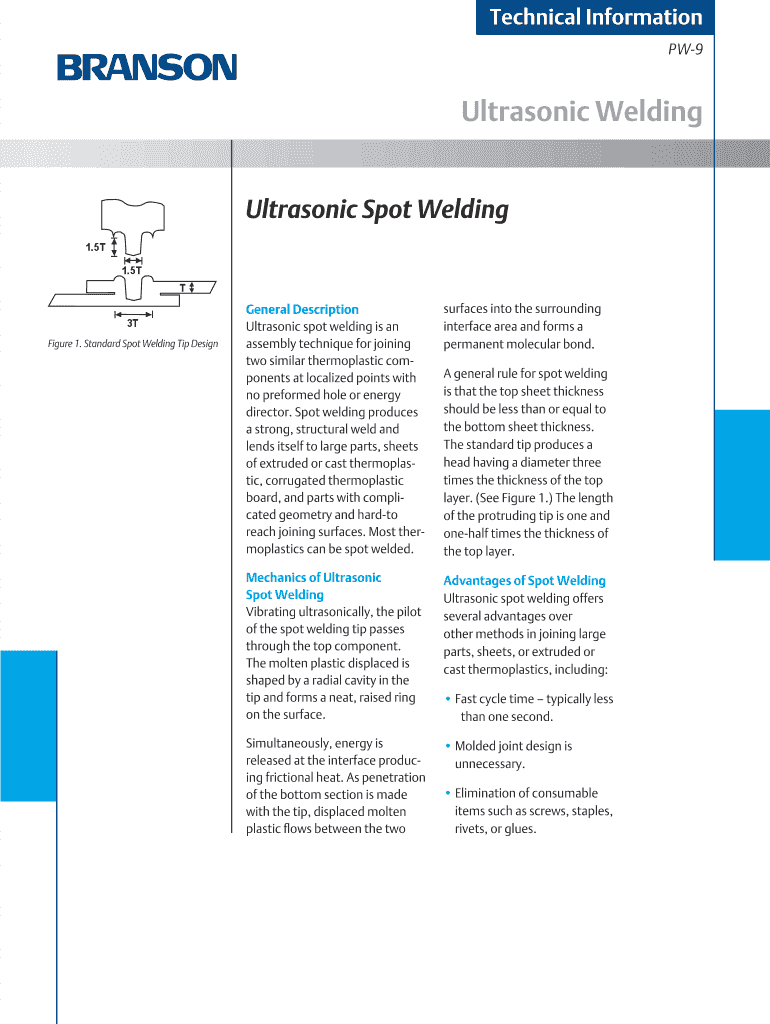
Welding Process: Engage the ultrasonic horn, which transfers the energy through the materials. The friction generated at the interface causes the materials to melt and fuse.
-
Cooling and Inspection: Allow the welded joint to cool, then inspect it for integrity and strength. Consistency in weld quality is crucial for product reliability.
Key Elements of the Ultrasonic Welding Process
-
Frequency: Typically, ultrasonic welding employs frequencies ranging from 20 kHz to 40 kHz. The choice of frequency can affect penetration depth and control over the weld.
-
Amplitude: Adjusting the amplitude allows control over the amount of displacement during the welding process, affecting weld strength and energy consumption.
-
Pressure: Correct pressure application ensures proper material flow and bonding, with excessive force potentially leading to material deformation.
-
Time: The duration of ultrasonic application influences the quality of the weld, requiring precise control to achieve desired results.
Important Terms Related to Ultrasonic Welding
-
Sonotrode: A component that transmits ultrasonic vibrations from the transducer to the materials being joined.
-
Horn: Part of the ultrasonic welding machine that makes contact with the materials, transferring energy to create the weld.
-
Weld Time: The duration for which ultrasonic energy is applied. Adjustments in weld time can impact joint quality and efficiency.
-
Amplitude Profile: Refers to the variation and control of amplitude during the welding process, allowing for refined adjustments tailored to specific materials.
Who Typically Uses Ultrasonic Welding
Industries and professionals across various sectors leverage ultrasonic welding for its precision and efficiency. In the automotive industry, it is used for assembling dashboards and electrical systems. Medical device manufacturers rely on it to produce clean and secure bonds in device assembly, critical for products such as filters, catheters, and IV tubes. Electronics and consumer goods companies also utilize this technique for compact and intricate components that require reliable and repeatable welds.
Legal Use and Compliance in Ultrasonic Welding
Ultrasonic welding must adhere to industry-specific regulations, particularly in aerospace and medical fields where compliance with safety and quality standards, such as ISO 9001 or FDA regulations, is crucial. Abiding by these standards ensures the safe integration of this technology into production lines, maintaining product integrity and consumer trust.
Examples of Using Ultrasonic Welding
-
Automotive: Creating strong welds in the assembly of instrument panels and door panels without compromising structural integrity.
-
Textile Industry: Seamlessly bonding layers of synthetic fabrics, commonly used in outdoor and performance gear.
-
Medical Devices: Constructing sterile, hermetically-sealed products like IV catheters and surgical instruments that require robust joining without chemical agents.
Business Types That Benefit Most from Ultrasonic Welding
-
Manufacturers of Consumer Electronics: Benefit from efficient assembly processes that require minimal post-processing due to the clean nature of ultrasonic welding.
-
Pharmaceutical and Medical Device Companies: Value the contamination-free joins required for medical-grade products, which this welding technique provides.
-
Automotive Suppliers: Use it for durable and aesthetically pleasing joints in interior and exterior components.
State-Specific Considerations for Ultrasonic Welding
Manufacturing regulations can vary by state, impacting the deployment of ultrasonic welding technologies. States with rigorous environmental and safety regulations might have additional compliance requirements that influence setup and operational choices. Business operators should consult local industry guidelines to ensure adherence to relevant laws and standards, promoting sustainability and safety in manufacturing practices.