






Definition and Purpose of Inter-Cloud Data Security for Secure
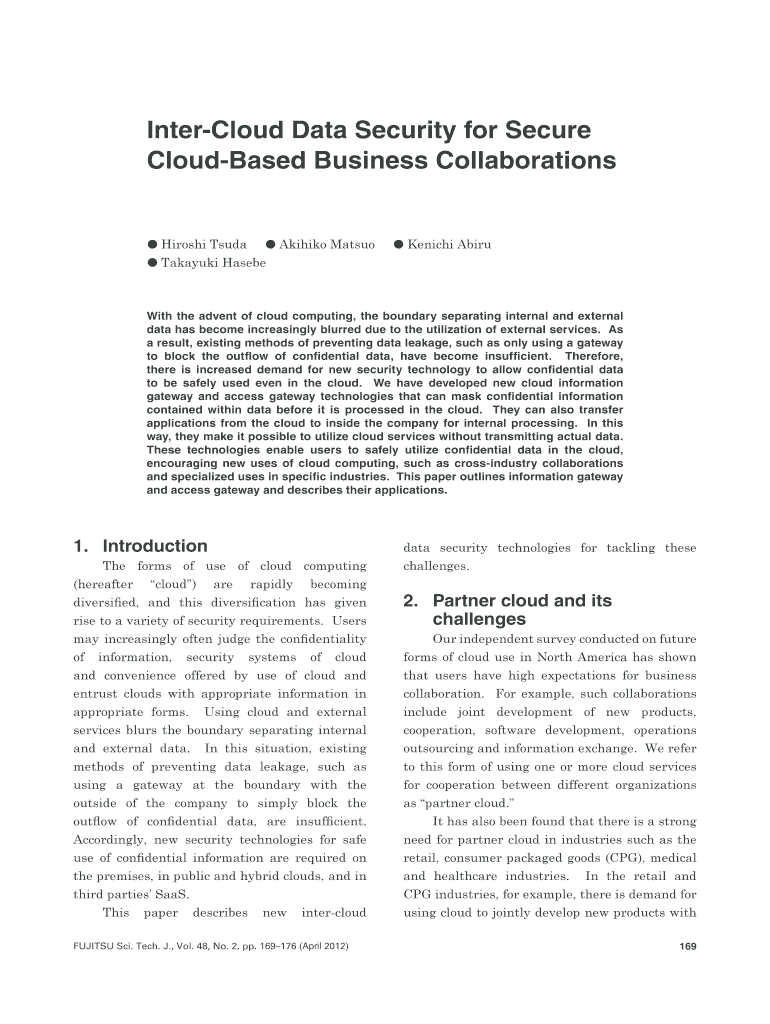
Inter-cloud data security refers to the protocols and measures in place that ensure data is protected when being transferred, stored, and accessed across different cloud environments. The necessity of inter-cloud data security arises from the need to safeguard sensitive business information from unauthorized access, data breaches, and data leakage when operating in multiple cloud environments. Inter-cloud data security for secure processing ensures seamless data management between cloud providers without compromising data integrity or confidentiality.
Essential Features of Inter-Cloud Data Security for Secure
Inter-cloud data security for secure must incorporate several crucial features to effectively protect sensitive information. These features include:
- Encryption: Utilizes advanced encryption standards to secure data both while in transit between clouds and at rest.
- Access Controls: Implements robust authentication protocols like OAuth 2.0 to ensure that only authorized users can access sensitive data.
- Monitoring and Auditing: Continuous monitoring and auditing of data access and movement help detect any unauthorized activities quickly.
- Information Masking: Sensitive information is obscured to prevent unauthorized views, ensuring data privacy even if the data is intercepted.
- Secure Execution: Ensures that data processing occurs in protected environments to prevent data manipulation or unauthorized access.
How to Implement Inter-Cloud Data Security
Implementing secure inter-cloud data security requires a strategic approach that integrates multiple security layers:
- Assessment: Evaluate the current data management and security policies across cloud environments to identify potential vulnerabilities.
- Policy Development: Establish comprehensive security policies covering data encryption, access control, and secure transmission protocols.
- Choose the Right Tools: Use technologies such as secure multi-party computation and homomorphic encryption tailored to the organization’s specific needs.
- Training: Conduct regular training for employees to ensure they follow best practices in data security and understand their responsibilities.
- Regular Audits: Schedule regular audits and continuous monitoring of inter-cloud interactions to ensure compliance with security policies and identify any areas of improvement.
- Adaptation: Stay updated with the latest security threats and adjust the security measures accordingly to ensure ongoing data protection across cloud platforms.
Why Businesses Need Inter-Cloud Data Security for Secure
Organizations increasingly rely on multiple cloud services to leverage the unique benefits each offers, such as data processing capabilities or storage efficiencies. Employing inter-cloud data security for secure ensures that businesses can:
- Achieve Compliance: Meet legal and regulatory requirements for data privacy and protection, such as GDPR and CCPA.
- Enhance Trust: Build trust with clients and partners by demonstrating a commitment to maintaining high data security standards.
- Prevent Data Breaches: Protect sensitive information from potential breaches that can result in financial losses and reputational damage.
- Facilitate Innovation: Enable secure data sharing and collaboration across various cloud services without sacrificing security, thereby fostering innovation.
- Optimize Operations: Streamline operations by securely integrating data flows between different platforms, ensuring seamless business processes.
Key Components of Inter-Cloud Data Security
The primary components that contribute to a robust inter-cloud data security strategy include:
- Cloud Access Security Brokers (CASBs): These act as intermediaries between users and cloud service providers to enforce security policies.
- Identity and Access Management (IAM): Systems that ensure applications and users have the proper permissions in place.
- Data Loss Prevention Tools: Software solutions designed to identify and protect sensitive data from unauthorized access or sharing.
- Secure APIs: Essential for consistent, secure communications between different cloud services and applications.
- Cross-Cloud Network Configurations: Ensure secure connectivity and data transfer channels between cloud providers.
Legal Implications and Compliance
Compliance with data protection regulations is critical when implementing inter-cloud data security strategies. Businesses must ensure they:
- Understand Applicable Laws: Laws such as the General Data Protection Regulation (GDPR), California Consumer Privacy Act (CCPA), and Health Insurance Portability and Accountability Act (HIPAA) mandate specific data security practices.
- Document Security Policies: Maintain thorough documentation of security policies and protocols to be ready for audits and compliance checks by regulatory bodies.
- Establish Data Handling Procedures: Outline clear procedures for data handling, including data anonymization, encryption, and secure data deletion practices.
Examples and Use Cases
Practical applications of inter-cloud data security for secure can be seen in various industries:
- Financial Services: Use encrypted multi-cloud environments to securely analyze customer data, while ensuring compliance with regulations like PCI DSS.
- Healthcare: Protect patient data across cloud platforms used for different electronic health records and diagnostic applications while complying with HIPAA.
- E-commerce: Safeguard customer information and transaction data while using different clouds for customer relationship management, inventory systems, and sales platforms.
Software and Integration Considerations
When selecting tools for inter-cloud data security, businesses need to consider:
- Compatibility: Ensuring software integrates with existing systems, such as Google Workspace, and supports file types used by the organization.
- Scalability: Solutions should be scalable to accommodate business growth and increased data volumes.
- User-Friendliness: Interfaces should be intuitive to encourage adoption across the organization without extensive training or support.
- Automation Capabilities: Automating routine tasks like monitoring and reporting to improve response times and reduce the risk of human error.
- Support and Maintenance: Assess the level of support provided by vendors, including regular updates and security patches to counter emerging threats.
These interconnected blocks provide a comprehensive understanding of the significance, implementation, and benefits of inter-cloud data security for secure. Organizations utilizing cloud services can maintain robust data protection measures and achieve seamless, secure operations across multiple environments.