






Understanding Linked Data: Definition and Significance
Definition & Meaning
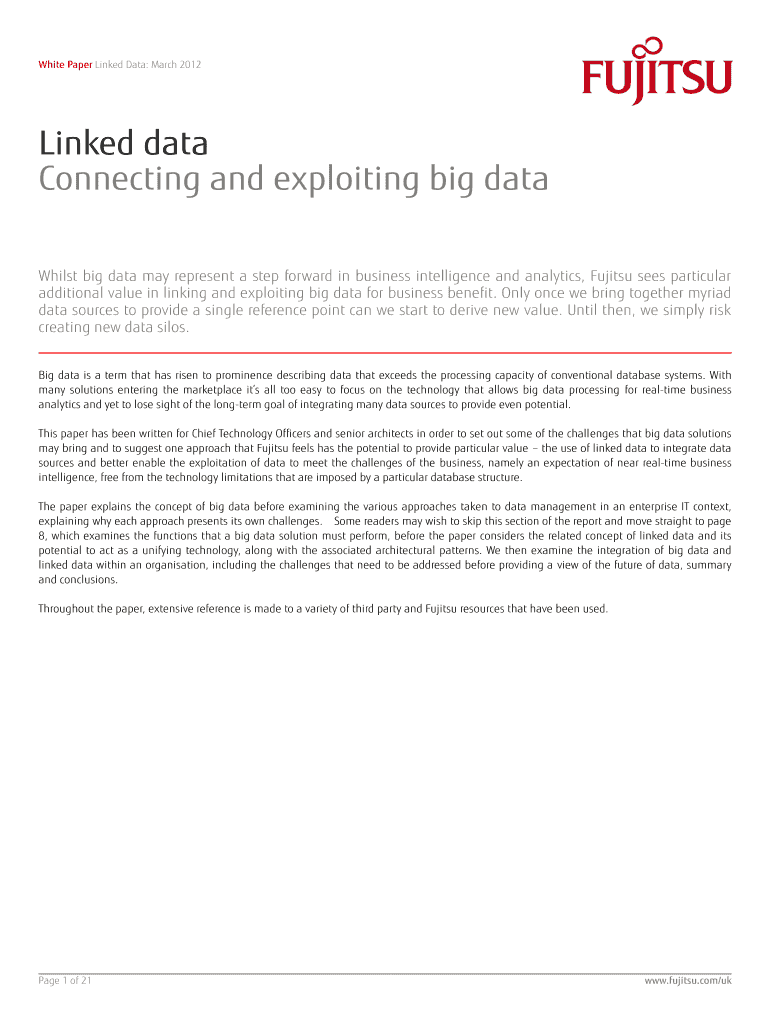
Linked data is a method of structuring and connecting information on the web to make it more accessible and usable. It involves using standardized web technologies such as HTTP, RDF, and URIs to link related data sets across various domains. This approach facilitates the seamless integration of disparate data sources, enhancing the ability to derive insights and make data-driven decisions. Linked data transforms the web from a collection of documents to a rich ecosystem of interconnected data, promoting interoperability and reuse across different applications.
How to Use Linked Data: Techniques and Applications
How to Use Linked Data
To effectively utilize linked data, one must understand the principles of creating and connecting data sets using RDF (Resource Description Framework) and SPARQL (SPARQL Protocol and RDF Query Language). These technologies enable users to query and manipulate interconnected data across diverse sources. Practical applications include:
- Semantic Search: Enhancing search algorithms by understanding contextual relationships between data.
- Data Integration: Combining data from various sources for comprehensive analysis in research, business intelligence, and analytics.
- Knowledge Graphs: Building structured representations of knowledge to facilitate advanced data exploration and reasoning.
Retrieval and Utilization Methods for Linked Data
How to Obtain Linked Data
Obtaining linked data involves accessing data sets available on platforms that support open data and APIs structured with linked data principles. The process typically includes:
- Identifying relevant data sources and platforms, such as government open data portals or academic repositories.
- Accessing data through endpoints exposed by these sources or downloading RDF data files.
- Employing data transformation tools to interlink new data sets with existing linked data frameworks, ensuring consistency and compatibility.
Benefits and Justification for Adopting Linked Data
Why Should You Use Linked Data
Linked data offers numerous benefits, such as reducing data silos and increasing data interoperability. This approach promotes more informed decision-making and uncovering hidden patterns and relationships in complex data environments. Organizations utilizing linked data can benefit from enhanced data quality and accessibility, leading to improved research outcomes, operational efficiencies, and strategic insights.
Typical Users and Implementations of Linked Data
Who Typically Uses Linked Data
Linked data is extensively used by:
- Researchers and Academic Institutions: To integrate data from disparate sources for comprehensive analysis.
- Corporations and Enterprises: For developing knowledge graphs and enhancing information retrieval systems.
- Governments and NGOs: To increase transparency and efficiency in data publication and consumption.
Key Concepts and Terminology in Linked Data
Important Terms Related to Linked Data
To navigate linked data effectively, understanding key terms is essential:
- RDF (Resource Description Framework): A framework for representing linked data with statements about resources using subject-predicate-object expressions.
- SPARQL: A query language capable of extracting and manipulating linked RDF data.
- Ontology: A structured representation of knowledge within a specific domain that defines the relationships between concepts.
Legal Considerations for Linked Data Usage
Legal Use of Linked Data
When using linked data, it is crucial to consider legal aspects such as data privacy, intellectual property rights, and compliance with data protection regulations. Ensuring that data usage aligns with laws like the General Data Protection Regulation (GDPR) or the California Consumer Privacy Act (CCPA) is essential to avoid legal repercussions and maintain trust.
Examples and Scenarios Highlighting Linked Data Applications
Examples of Using Linked Data
Linked data is applied in various industries, showcasing its versatility:
- Healthcare: Integrating patient data from multiple sources to improve diagnostic accuracy and treatment planning.
- E-commerce: Enhancing product recommendations through understanding connections between consumer preferences and product attributes.
- Transportation: Optimizing routes and schedules by connecting data from traffic sensors, public transport systems, and weather conditions.