






Definition and Importance of Valve Sizing
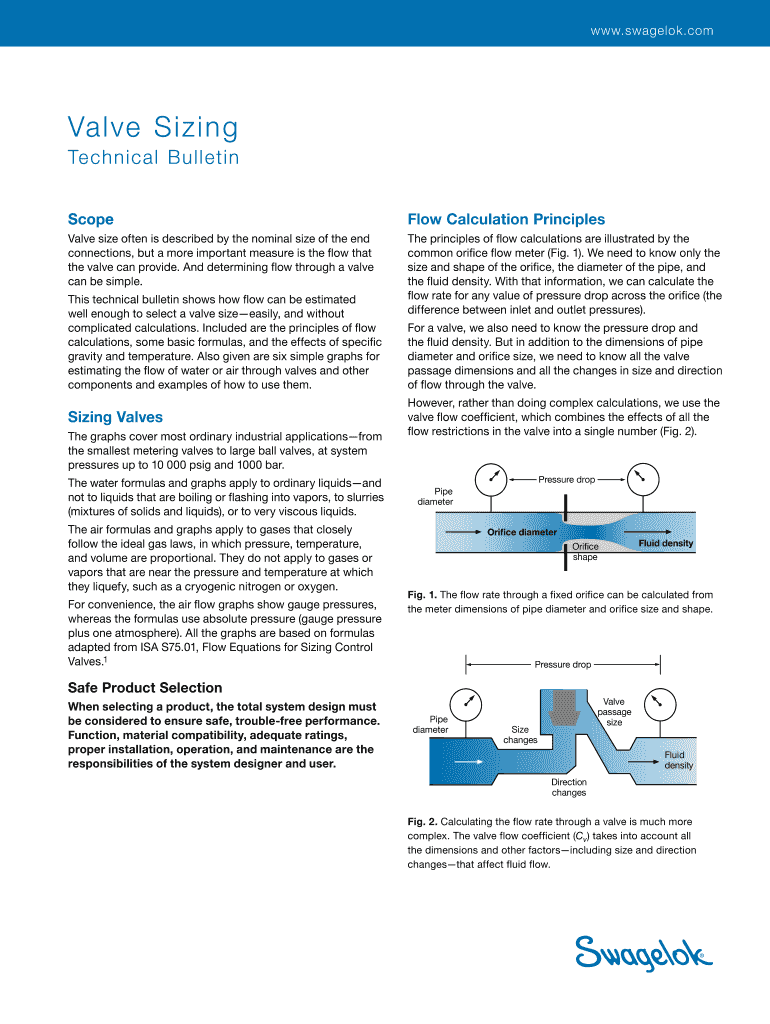
Valve sizing refers to the process of determining the appropriate size for a valve within a piping system to ensure optimal flow and safety. The primary objective is to choose a valve size that accommodates the necessary flow rate and pressure drop while maintaining system stability. Correct sizing is crucial to prevent issues such as cavitation, excessive pressure drop, or insufficient flow, thereby enhancing the system's efficiency and longevity.
Valve sizing involves an understanding of various factors including flow rate, fluid properties, pressure conditions, and temperature. It typically requires the use of specific calculations and formulas to provide accurate sizing. Valve sizing is not merely about choosing a valve that fits but ensuring that it performs safely and effectively under specific operational conditions.
How to Use Valve Sizing in System Design
To use valve sizing effectively, follow these steps:
-
Identify System Requirements: Determine the flow rate, pressure, and fluid characteristics of your system. Understand the pipe diameters and operation conditions such as temperature and potential pressure variations.
-
Collect Fluid Properties: Document the fluid type, viscosity, density, and any special attributes like corrosiveness or abrasiveness that might affect the valve choice.
-
Calculate Flow Coefficient (Cv): Use the basic flow equations to compute the flow coefficient, which predicts how much flow a valve will pass at a given pressure drop.
-
Select Valve Type: Choose the appropriate valve type (e.g., ball, gate, globe) based on the system need for flow control, shut-off, or throttling.
-
Perform Valve Sizing Calculation: Apply sizing equations or software tools to determine the right valve size that can handle the maximum flow demand of the system.
-
Verify Conditions: Ensure the selected valve can maintain its performance during all operational scenarios including maximum and minimum operational limits.
Important Steps in the Valve Sizing Process
Valve sizing generally follows a structured process:
-
Determine Flow Rate: Measure the actual flow rate in the system. Use tools like orifice meters for accurate measurements when calculating valve size.
-
Calculate Pressure Drop: Establish the acceptable pressure loss across the valve to ensure efficient system operation.
-
Evaluate Specific Gravity and Temperature: Account for changes in fluid properties due to variations in temperature and pressure.
-
Utilize Sizing Software: Many companies use specialized software that simplifies complex calculations by inputting the specific parameters and receiving a suggested valve size.
-
Consult Standards: Reference industry standards that may dictate design requirements or safety margins.
-
Perform Testing: Validate the valve choice under actual system conditions if possible, to ensure it meets operational expectations.
Why Valve Sizing is Essential for System Efficiency
Proper valve sizing is integral to the effective functioning of fluid systems because:
-
Prevents Damage: Avoids mechanical issues like cavitation or excessive noise that may result from inappropriate valve selections.
-
Optimizes Flow: Ensures that the system can handle required throughput without unnecessary pressure drops, optimize pumping costs, and maintain flow stability.
-
Enhances Longevity: Appropriately sized valves reduce wear-and-tear and thus extend component life, lowering maintenance costs and downtime.
-
Improves Safety: Correct valve sizing is crucial for maintaining safe operational pressures and temperatures, minimizing the risk of accidents or leaks.
Examples of Using Valve Sizing in Real-World Applications
-
Industrial Manufacturing: Valve sizing is critical in manufacturing settings where fluid control for heating processes requires precision to maintain product quality.
-
Petrochemical Industry: Proper valve sizing ensures safe handling of flammable fluids, preventing potential catastrophic failures.
-
Water Treatment Facilities: Valve sizing aids in maintaining appropriate pressure and flow for efficient filtration and purification processes.
-
HVAC Systems: Effective valve sizing is necessary to regulate heating and cooling systems for maintaining comfortable and energy-efficient environmental conditions.
Key Elements and Concepts in Valve Sizing
Valve sizing involves several important concepts and elements:
-
Cv (Flow Coefficient): Represents the flow capacity of the valve, defining how many gallons per minute (GPM) of water at 60°F will flow through the valve at a 1 psi drop.
-
Pressure Drop: Integral to valve sizing, it's the reduction in pressure from one side of the valve to the other and is critical in maintaining flow efficiency.
-
Temperature Variability: Fluids expand or contract with temperature changes, impacting flow rate and valve function.
-
Valve Types and Characteristics: Different kinds of valves have varying flow capacities and pressure drop characteristics affecting the choice in sizing.
-
Safety Margins: Allow for variance in system demands, ensuring that valves operate efficiently under the range of expected conditions.
Who Typically Uses Valve Sizing
Professionals in multiple industries utilize valve sizing, including:
-
Engineers: Mechanical, chemical, and civil engineers use valve sizing to design fluid systems that run efficiently and safely.
-
Technicians: Maintenance and operations technicians require understanding of valve sizing for troubleshooting and maintaining equipment.
-
Purchasing Managers: Those responsible for equipment procurement must understand valve sizing to ensure that specifications match operational needs and constraints.
-
Quality Assurance Specialists: In manufacturing and processing industries, these professionals use valve sizing to ensure systems meet safety and performance standards.
Industry Context: Importance and Legal Aspects
Valve sizing is prevalent in industries guided by numerous standards and regulations. In the U.S., organizations like the American National Standards Institute (ANSI) and the American Petroleum Institute (API) develop standards for valve design, operation, and testing. Adhering to these standards ensures not only compliance but safety and efficiency in critical processes. Legal implications of improper valve sizing can include regulatory fines, increased liability, and compromised operational credibility in case of system failures.