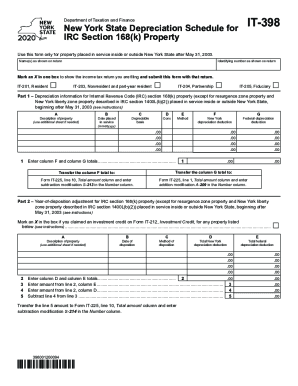
Definition & Meaning
The "Schedule Year" refers to a specific time period during which certain regulatory or financial activities are assessed, documented, or reported. This concept is particularly significant in contexts such as taxation, employment reporting, or compliance schedules. In financial terms, the schedule year often aligns with the fiscal year, which may vary from the calendar year depending on the regulatory requirements or organizational practices. The key purpose of defining a schedule year is to establish a consistent timeframe for activities such as filing taxes, reporting income, or complying with industry-specific regulations. This ensures that all relevant data is captured accurately and uniformly during an established period.
Practical Examples
- Tax Reporting: In the context of U.S. federal taxes, the schedule year usually corresponds to the calendar year, from January 1 to December 31, during which income is earned and tax liabilities are calculated.
- Fiscal Year Variation: Some organizations might operate on a fiscal year that differs from the calendar year, such as a school district that uses a fiscal year from July 1 to June 30. The schedule year for these entities is governed by their specific reporting obligations.
How to Use the Schedule Year
Understanding how to properly use the schedule year is critical for compliance and accurate reporting. Individuals and businesses must organize their records and documentation according to this period to meet requirements effectively.
Step-by-Step Usage
- Identify the Applicable Year: Determine if the schedule year aligns with the calendar year or another established fiscal year. This is essential in preparing for reporting activities.
- Data Gathering: Collect all necessary documents and data related to the period, such as income statements, expense reports, and compliance records.
- Recordkeeping: Maintain organized records that reflect activities throughout the schedule year for transparent reporting and auditing purposes.
- Filing & Reporting: Use the gathered data to prepare required filings, such as tax returns or industry reports, ensuring alignment with the schedule year.
Variations and Considerations
- Different Fiscal Years: Organizations should ensure that their internal schedules align with the schedule year as mandated by regulatory authorities, which may differ from their operational fiscal year.
- Industry-Specific Requirements: Some industries have unique schedule year specifications, necessitating customized recordkeeping and reporting processes.
How to Obtain the Schedule Year
Acquiring the correct information regarding the schedule year is crucial, particularly for those new to financial or regulatory reporting processes. This involves researching applicable regulations or consulting with professionals in the field.
Information Sources
- Regulatory Agencies: Agencies like the IRS for taxation purposes provide clear guidelines on schedule years.
- Professional Advisors: Accountants or financial advisors can offer tailored advice on understanding and implementing the schedule year correctly.
- Internal Policies: Organizations often have internal resources or documentation that outline their specific schedule year practices.
Access Methods
- Online Resources: Most regulatory bodies and organizations publish detailed schedule year information on their official websites.
- Workshops & Webinars: Participating in industry-specific workshops can provide insights on how to efficiently navigate the schedule year requirements.
Steps to Complete the Schedule Year
Completing activities associated with the schedule year involves several key steps, ranging from planning to final reporting. Each step requires careful consideration and execution to ensure compliance and efficiency.
Detailed Procedure
- Planning: Establish a schedule and checklist to monitor key dates and deadlines throughout the year.
- Documentation: Regularly update and verify documentation to ensure relevance and accuracy for end-of-year reporting.
- Review Process: Conduct regular reviews or audits of records to preempt any discrepancies or errors before submission.
- Submission: Finalize and submit all requisite documents, such as financial statements or tax filings, as per the applicable schedule year timeline.
Examples and Scenarios
- Non-Profit Organizations: For non-profits operating on a July-June fiscal year, completing the schedule year involves ensuring that annual financial statements are prepared and reviewed by external auditors prior to submission to grant providers and governing bodies.
- Seasonal Businesses: Businesses with seasonal activities must adjust their schedule year processes to account for periods of high and low activity, ensuring a balanced approach to documentation and reporting.
Why Should You Schedule Year
Utilizing the schedule year framework offers several advantages, especially in promoting organizational efficiency, enhancing compliance, and facilitating accurate reporting practices.
Core Benefits
- Uniformity and Consistency: Aligning with an established schedule year ensures that all financial activities and reports are handled within a uniform time frame, reducing errors.
- Regulatory Compliance: By following the prescribed schedule year, organizations can meet their statutory obligations effectively and reduce the risk of penalties or audits.
- Strategic Planning: Businesses can leverage the schedule year for budgeting and forecasting, aiding in strategic decision-making and resource allocation.
Case Studies and Results
- Corporate Entities: Companies adhering to distinct fiscal year schedules can efficiently plan and execute their financial strategies, thereby enhancing shareholder confidence.
- Small Businesses: For small businesses, using the schedule year as a guide simplifies the management of tax obligations and financial documentation, alleviating administrative burdens.
Who Typically Uses the Schedule Year
The concept of the schedule year is widely utilized across various sectors, each with distinct requirements and applications based on industry norms and regulatory frameworks.


Typical Users
- Corporations and Large Enterprises: These entities rely on schedule years to coordinate financial reporting, taxation, and compliance.
- Government Agencies: Various government bodies adhere to federally mandated schedule years for budgeting and allocation of resources.
- Small and Medium Enterprises (SMEs): SMEs use the schedule year for straightforward tax reporting and documentation of profits and losses.
Industry-Specific Examples
- Education Sector: School systems often have fiscal years different from the calendar year, requiring specialized use of schedule year data for planning and funding.
- Healthcare Providers: Hospitals may need to align their operational finance schedules with specific grant timelines, impacting their schedule year.
Important Terms Related to Schedule Year
Familiarity with key terms related to the schedule year enhances understanding and facilitates smoother financial and regulatory interactions.
Glossary of Terms
- Fiscal Year: A twelve-month period used for accounting purposes, which may differ from the calendar year.
- Tax Year: The annual period for which tax returns are completed; it typically follows the calendar year in the U.S.
- Compliance Schedule: A timeline detailing the deadlines and activities required to meet regulatory obligations within the schedule year.
- Audit: The examination of records and reports to ensure compliance with specified standards and the accuracy of financial data for the schedule year.
Examples in Context
- Fiscal vs. Calendar Year: A company may operate on a fiscal year from April 1 to March 31, necessitating adjustments to how they interpret and use the schedule year compared to entities that operate on a calendar year.
- Compliance Deadline: Failure to meet compliance deadlines outlined within the schedule year may result in penalties or legal ramifications.
Legal Use of the Schedule Year
Adherence to the schedule year is rooted in legal compliance and serves as a foundation for meeting regulatory requirements across multiple sectors.
Legal Context and Implications
- Statutory Obligations: Organizations must use the schedule year to adhere to timelines for filing taxes, submitting financial reports, and fulfilling regulatory processes.
- Contractual Arrangements: Many contracts incorporate schedule year terms to define payment timelines, reporting requirements, and performance evaluations.
Examples and Consequences
- Tax Compliance: Failure to adhere to the schedule year for tax filings can lead to penalties from the IRS, such as fines or interest on overdue payments.
- Contract Breaches: Not aligning with the schedule year in contractual obligations could result in breaches and potential legal disputes.
Understanding and implementing the schedule year effectively help ensure compliance, promote strategic planning, and streamline reporting across various applications and industries.