Definition & Meaning of Probation Intake Referral
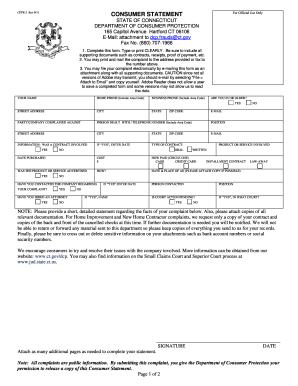
The Probation Intake Referral form is a structured document utilized within the juvenile justice system to gather comprehensive information about a child who is being considered for probation. The primary purpose of this form is to consolidate necessary data to assess the child's circumstances, including their personal background, family situation, educational history, and any prior court involvements or services received. This evaluation is crucial for identifying the appropriate interventions and support necessary for the child’s rehabilitation and integration into society.
How to Use the Probation Intake Referral
-
Gather Information: Begin by collecting the essential details about the child. This includes personal data such as the child's name, age, and contact information, followed by family background details.
-
Complete Sections Sequentially: Move to education and court involvement sections, ensuring thoroughness in each part. This information helps create a comprehensive view of the child's current status and needs.
-
Review and Validate: After filling out the form, review the information for accuracy. Verify that all necessary fields are completed, especially any mandatory sections, to ensure the form's validity.
-
Submit Following Protocol: Depending on the jurisdiction, submit the form either digitally, via mail, or in person as per local requirements. It is crucial to adhere to submission guidelines to guarantee the form is processed efficiently.
Steps to Complete the Probation Intake Referral
-
Identify Required Information: Begin by outlining all required sections of the form. Familiarize yourself with what information will be needed for each part.
-
Pre-fill Basic Data: Input straightforward details initially, such as personal and family information, which require minimal validation.
-
Involve Relevant Parties: For sections needing signatures or additional information from legal guardians or other authorities, ensure these parts are completed collaboratively.
-
Detail Educational and Court Background: Provide a comprehensive history of the child's educational experiences and any previous courtly encounters relevant to their current situation.
-
Reassessment and Signatures: Thoroughly check all entered information before obtaining required signatures. Completing this step ensures all parties have verified the accuracy of the details.
-
Finalize Submission: Prepare the form for final submission according to specific procedural requirements in your jurisdiction, ensuring it is ready for the next steps in the probation process.
Key Elements of the Probation Intake Referral
-
Personal Information: Vital details, including the child's full name, date of birth, and address, serve as an introductory section that frames the initial context.
-
Family Background: Understanding the family dynamics and living situation is crucial for forming an effective probation strategy tailored to the child's needs.
-
Educational History: The child's academic journey provides insights into their development and any challenges they may face, informing possible educational interventions.
-
Court Involvements: Document any past or current legal issues to tailor the probation approach effectively, acknowledging previous interactions with law enforcement or judicial bodies.
-
Previous Services: Listing services previously accessed by the child helps identify successful tactics and areas needing more attention in further interventions.
Legal Use of the Probation Intake Referral
The use of the Probation Intake Referral is governed by legal frameworks designed to protect the child’s rights while facilitating the justice process. It must be completed accurately to ensure that any action taken is legally defensible and in the child's best interests. This form assists in assembling a complete view of the minor’s circumstances, which is required for any legal actions or determinations regarding probation. Proper documentation also safeguards against potential claims of unfair treatment or oversight in the probationary process.
Who Typically Uses the Probation Intake Referral
-
Juvenile Justice Officials: These professionals, including probation officers and court liaisons, use the form to systematically assess and plan interventions for youths entering the probation system.
-
Social Workers: Engage with the form to gather essential contextual data necessary for forming support strategies tailored to the youth's situation, often in collaboration with other agencies.
-
Educational Institutions: Schools might use insights from the form to help integrate and support the student's educational journey in parallel with legal considerations.
-
Families and Legal Guardians: Often involved in providing necessary personal and contextual information crucial for accurately completing the form.


State-Specific Rules for the Probation Intake Referral
While the overarching purpose of the Probation Intake Referral remains consistent across the United States, each state may implement specific modifications or supplementary requirements reflective of their judicial mandates. Variations may exist in how data is collated or which additional sections need emphasis according to local prevalence of certain issues. Practitioners must be familiar with these distinctions to effectively and legally manage each case within the appropriate legislative framework.
Examples of Using the Probation Intake Referral
Consider a scenario where a young individual is introduced to the juvenile justice system for the first time. The Probation Intake Referral would be used to explore the individual’s previous educational support structures, past services, and familial environment to develop a probation plan that minimizes recidivism and focuses on rehabilitation.
In another instance, a family facing challenges might use the form to ensure coordinated efforts among various agencies, resulting in a comprehensive support network for the child. Understanding past services and educational needs informs new placements or interventions, aligning with the broader social services framework to correct and guide rather than punish.