Definition & Meaning
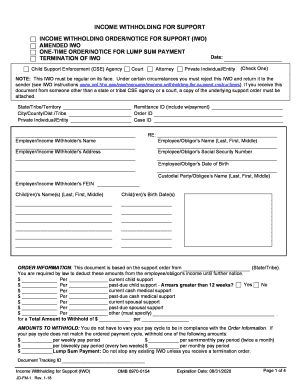
The "flexibly accessed pension lump sum: repayment claim (tax year 2019 to 2020)" is a form designed for individuals who have accessed their pension flexibly and might have overpaid tax as a result. This document allows eligible taxpayers to claim back the amount of tax overpayment that occurred during this specific tax year. Flexibly accessing a pension means withdrawing money from a pension pot in various ways, such as taking a lump sum, while being subject to income tax based on the total annual income. The form ensures the process of reclaiming excess tax is straightforward and efficient.
Eligibility Criteria
To use this form effectively, you must meet certain eligibility criteria:
- Pension Type and Withdrawal: You need to have taken a full pension flexibility payment or received a serious ill health lump sum.
- Tax Year Specification: The claim is specific to the 2019 to 2020 tax year.
- Income Reporting: The form also requires a report of other income received in the same tax year.
- Provider Documentation: You should have received a P45 from your pension provider after withdrawing your pension flexibly.
Understanding these eligibility requirements is crucial for ensuring successful completion and processing of the repayment claim.


Key Elements of the Form
The form comprises several essential elements that guide its completion:
- Personal Details: This includes your full name, National Insurance number, and contact information.
- Pension Payment Details: Specific information about the pension scheme, amount withdrawn, and taxes deducted.
- Income Tax Details: A summary of any other taxable income received that year, which might affect the tax calculation.
- Bank Details: For direct deposit of any refund due. This ensures efficient and secure transactions.
These elements must be accurately filled out to avoid delays or rejection of your claim.
Steps to Complete the Form
Here is a step-by-step process to correctly complete the repayment claim form:
- Gather Required Documentation: Collect necessary documents, including pension provider statements and your P45 form.
- Fill Out Personal Information: Enter your personal and contact details accurately.
- Detail Pension Withdrawals: Specify the amount and type of pension payment received.
- Report Additional Income: List any other income sources and corresponding amounts.
- Attach Supporting Documents: Ensure all supplemental paperwork is attached and clearly labeled.
- Review and Submit: Double-check all details, sign the form where required, and submit using your chosen method (online, mail, or in-person).
Being thorough in these steps will facilitate the processing of your claim.
How to Obtain the Form
Obtaining the form is straightforward and can be done through multiple channels:
- Online Access: View and download the form from official government websites dedicated to pensions and tax services.
- Physical Copies: Request a paper version by mail from the tax office, or visit a local tax authority branch.
- Through Tax Advisors: Some professionals and financial advisors can provide access as part of their services.
These varied methods ensure accessibility irrespective of individual preferences or technical constraints.
Required Documents
To complete the form, ensure you have the following documents ready:
- P45 Form: Issued by your pension provider upon flexible withdrawal.
- Pension Scheme Documents: Statements showing amounts withdrawn and tax deducted.
- Income Documentation: Evidence of other income streams and amounts.
- Bank Information: Details necessary for reimbursement, such as bank account numbers and routing numbers.
These documents support the accuracy of your claim and verify the information provided.
IRS Guidelines
The Internal Revenue Service (IRS) provides guidelines critical for understanding and handling pension-related taxes:
- Pension Taxation Rules: Outline how different pension withdrawals are taxed.
- Overpayment Rectification: Explains the process to reclaim overpaid taxes effectively.
- Compliance Requirements: Stresses the importance of adhering to submission deadlines and form instructions.
Referring to these guidelines helps align your claim with federal tax policies.
Form Submission Methods
There are three primary ways to submit the completed form, ensuring flexibility based on your convenience:
- Online: Upload the form through secure government portals. This method is often the quickest.
- Mail: Send the completed form and supporting documents to the designated tax office mailing address.
- In-Person: Visit a local tax authority branch to submit your paperwork directly.
Each method caters to different needs, offering options for both digital and non-digital preferences.