Definition and Purpose of DCYF Billing
The DCYF billing process is integral to the Department of Children, Youth, and Families’ efforts to manage and document financial transactions related to child and family services. This billing framework supports the agency’s financial accountability and ensures accurate allocation of funds for services delivered. The billing is typically involved in scenarios where service providers need reimbursement for care-related expenses.
- Child Welfare Programs: DCYF billing often involves payments for foster care, adoption subsidies, and family support services. These billings ensure that service providers are compensated for their roles in delivering vital welfare services.
- Youth Services: Many youth-oriented initiatives under the DCYF umbrella depend on efficient billing practices to maintain program funding and service continuity.
How to Use the DCYF Billing Process
Understanding how to navigate the DCYF billing process is crucial for service providers seeking reimbursement.
- Enrollment and Documentation: Before initiating billing, providers must register with DCYF and complete preliminary documentation to establish billing accounts.
- Service Recording: Providers are required to maintain accurate records of the services rendered, including service dates, types, and recipients.
- Submission Protocol: Billings are submitted regularly through designated channels, usually monthly, ensuring compliance with DCYF’s guidelines.
- Utilize detailed logs to support your claims and ensure billing accuracy.
- Confirm that all billing entries align with pre-approved service types and durations.
Steps to Complete DCYF Billing
Completing DCYF billing involves a series of methodical steps to ensure compliance and accuracy.
- Service Documentation: Keep meticulous records of all services offered, which forms the basis for billing.
- Form Completion: Accurately fill out billing forms, incorporating details such as service provider identification, service dates, and detailed descriptions of the services rendered.
- Submission: Submit the completed forms via DCYF's preferred method, whether electronically or through traditional mail.
- Double-check entries to avoid common errors, which can lead to billing disputes or delays.
Importance of DCYF Billing
The DCYF billing system is crucial for several reasons, primarily focusing on accountability and service sustainability.
- Financial Accountability: Ensures transparent and traceable financial transactions between service providers and DCYF.
- Service Sustainability: Timely billing and reimbursement help maintain uninterrupted service delivery to affected children and families.
It also serves regulatory and auditing purposes, ensuring all monetary flows align with legal and organizational guidelines.
Users of DCYF Billing
DCYF billing generally involves a diverse range of stakeholders, all of whom have roles within the child and family services ecosystem.
- Social Workers and Case Managers: Individuals responsible for coordinating care and ensuring client needs are met, often involved in billing approvals.
- Service Providers: Organizations or individuals providing housing, counseling, medical, or educational services who initiate billing for reimbursement.
- Administrative Staff: They oversee billing submissions and compliance with DCYF financial policies.
Legal Aspects of DCYF Billing
Legal compliance is central to the DCYF billing process to prevent financial discrepancies.
- Confidentiality: Personal information included in billing submissions must comply with privacy laws to protect sensitive client data.
- Audits and Reviews: Regular audits check for compliance with state and federal funding regulations and ensure funds are used appropriately.
Non-compliance may lead to penalties, ranging from fines to service contract termination.
Key Elements of DCYF Billing Forms
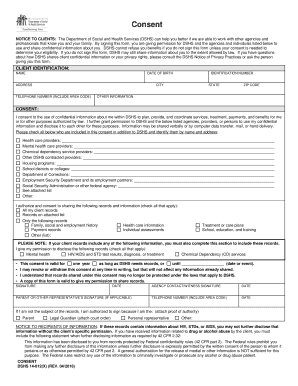
DCYF billing forms contain several critical sections that must be filled out accurately to avoid issues.
- Provider Information: This includes details like the provider's name, contact information, and registration number.
- Service Description: A breakdown of services provided, highlighting dates, types of services, and recipients.
- Costing and Reimbursement: Detailed costing of services rendered and the total reimbursement amount requested.
Correct completion of each section ensures smooth processing and prompt payment.
Examples and Scenarios
Several use-cases illustrate the practical application and necessity of DCYF billing within the child welfare system.
- Foster Care Reimbursement: A foster care provider logs the care provided during a billing period, ensuring the maintenance of accurate records for reimbursement.
- Adoptive Services: Following the adoption subsidy guidelines, families might receive financial support through the DCYF billing system for certain post-adoption services.
A firm grasp of these scenarios can enhance understanding of how the billing process supports the overall mission of delivering effective child and family services.