







Definition and Purpose of Hosting Music for Runners and Spectators
Performing music for more than 12,000 runners and spectators during events like marathons creates an energetic and motivating atmosphere. This practice involves organizing bands and individual performers to create a lively environment, ultimately enhancing the overall experience for participants and audiences alike.
How to Participate in Events as a Music Performer
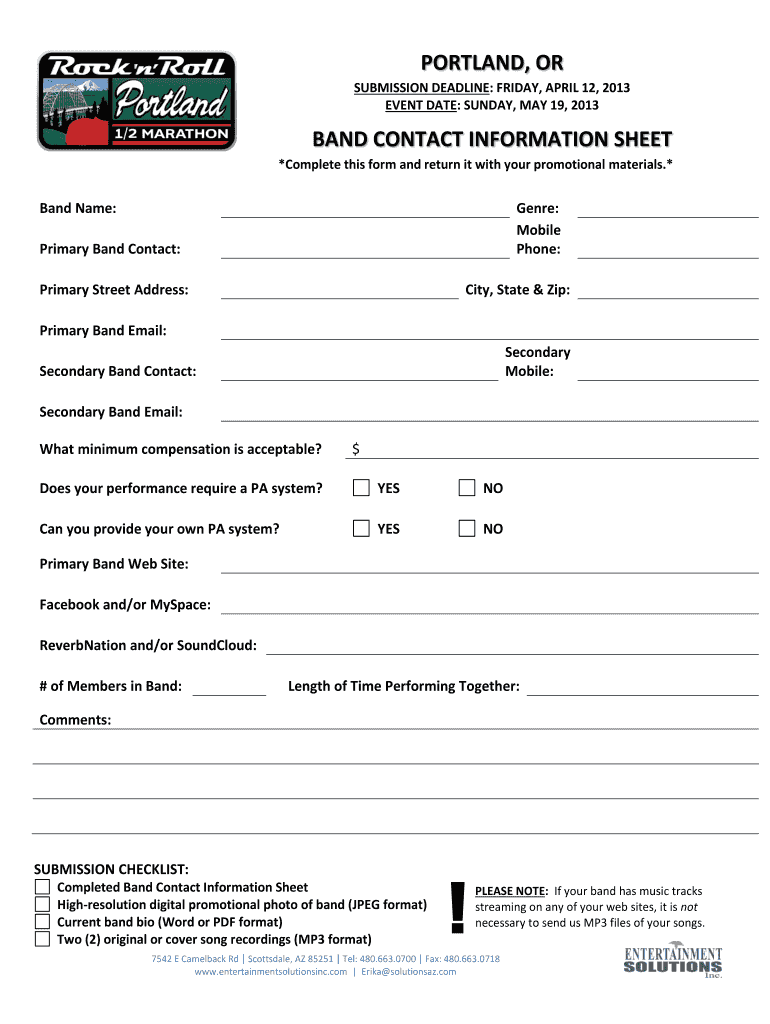
To become a performer for such an event, musicians typically need to submit an application to event organizers. This process may include demonstrating musical style and expertise, and detailing logistical needs. Understanding specific submission requirements is crucial to increasing the likelihood of selection.
Key Requirements
- Submission of an application detailing musical repertoire and experience
- Audio or video samples of previous performances
- Descriptions of equipment and technical needs
Steps to Complete the Submission Process
- Research Upcoming Events: Identify marathon events, such as the Rock ‘n’ Roll Portland Half Marathon, that are seeking live musical performances.
- Prepare Application Materials: Gather necessary audio samples, biographies, and technical requirements.
- Submit Application: Follow instructions for submitting applications by the specified deadline.
- Await Response: Organizers may reach out for additional information or confirmation of participation.
Why Play Music for Large Running Events
Playing music for events with over 12,000 attendees offers several benefits. It provides exposure to a large audience, potentially attracting new fans. Additionally, it supports community-building and often aligns with charitable causes, enhancing the social impact of the performance.
Benefits for Performers
- Increased visibility and potential fan base expansion
- Contribution to community and charity efforts
- Networking opportunities with event organizers and other performers
Typical Participants and Audiences at Running Events
Musicians ranging from local bands to professional solo artists often engage in these events. The audience typically consists of runners, spectators, organizers, and local community members who are there to enjoy both the athletic and musical experiences.
Legal and Organizational Considerations
Performing at large events involves understanding legal and logistic requirements. These may include contracts detailing performance obligations, rights to use original music, and compliance with health and safety regulations.
Important Legal Aspects
- Contracts specifying performance conditions
- Rights to perform original or cover music
- Adherence to event-specific guidelines and regulations
Important Terms Related to Event Music Performance
Several terms are essential to know when engaging with these events, such as "stage plot," "setlist," and "soundcheck." Understanding these concepts is critical for professional and smooth interactions with event organizers.
Examples of Successful Music Performances at Running Events
Many events have successfully integrated live music to enhance the participant experience. For instance, at the Rock ‘n’ Roll Series, bands are stationed along various course points to motivate and entertain athletes, proving to be a highlight for both runners and viewers.
State-Specific Rules and Their Implications
Different states may have varying regulations concerning public performances, including noise ordinances, required permits, and licensing fees. Awareness of these variations ensures compliance and smooth participation.
Penalties for Non-Compliance
Failing to adhere to event agreements or legal requirements can result in penalties. These may include fines, bans from future events, and potential legal action from organizers or affected parties.
Software Tools for Managing Submissions and Performances
While specialized software for music event applications is not always necessary, tools like DocHub can be useful for preparing and submitting documents digitally, ensuring secure and efficient communication with event organizers.
State-by-State Differences in Event Regulations
Music performers must consider varying state laws and local ordinances regarding live performances. Familiarity with these geographical differences ensures smooth participation and adherence to all applicable regulations.
Digital vs. Paper Applications for Event Participation
Event organizers may prefer digital submissions due to ease of management and archiving. Digital tools like DocHub facilitate a streamlined submission process by allowing quick and secure transmission of necessary documents and media files.




