






Definition and Meaning
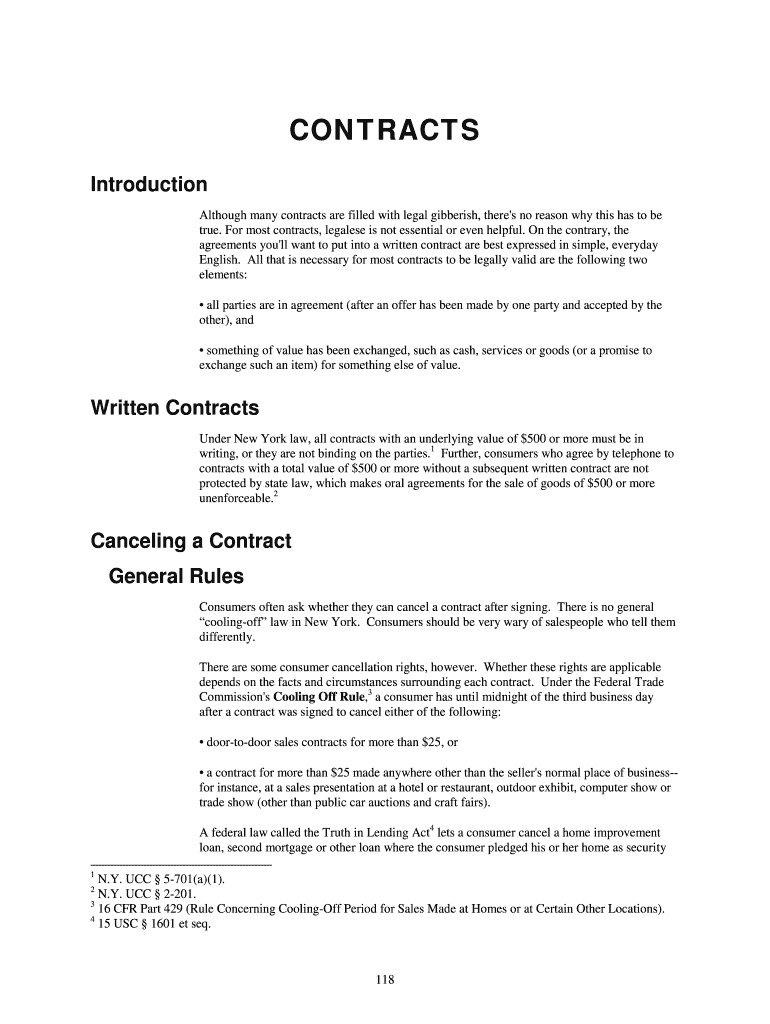
Although many contracts are traditionally filled with legal jargon that can be difficult for the average person to understand, there's no reason why this has to be the norm. The shift towards plain language in contracts is driven by a desire to improve clarity and accessibility. Clear contracts help all parties understand their rights and obligations, reducing the likelihood of disputes and misunderstandings. This approach aligns with consumer protection principles, promoting transparency and fairness in contractual agreements.
Key Elements of Plain Language Contracts
Plain language contracts focus on simplifying legal terminology to make documents more comprehensible without sacrificing legal accuracy.
- Clear Terminology: Avoiding complex legal terms in favor of straightforward language that is easily understood by all parties.
- Logical Structure: Organizing content logically so information is easy to find and follow.
- Concise Sentences: Using short, clear sentences to convey information without unnecessary complexity.
- Active Voice: Preferring active voice to passive voice to clarify responsibilities and actions.
- Defined Terms: Providing definitions for terms that must be used but might not be commonly understood.
Examples of Using Plain Language in Contracts
Various case studies across different sectors highlight the benefits of using plain language in contracts:
- Consumer Contracts: Retail agreements written in plain language lead to fewer customer complaints and disputes.
- Employment Agreements: Clear language helps employees understand company policies, resulting in better compliance and morale.
- Rental Agreements: Landlords face fewer disputes over lease terms when using clear and straightforward language.
Steps to Create a Plain Language Contract
Creating a contract in plain language involves several meticulous steps to ensure clarity and legal enforceability:
- Identify Complex Language: Review the contract for legal terms or phrases that may be difficult for an average person to understand.
- Rephrase Complex Sentences: Simplify or explain complex language using everyday terms and examples when possible.
- Use Readability Tools: Apply readability tests, like the Flesch-Kincaid score, to assess the document's clarity.
- Consult Legal Experts: Have attorneys review the simplified contract to ensure it maintains its legal effectiveness.
- Test with Non-Experts: Have individuals outside the legal field review the document to gauge their understanding.
Legal Use of Plain Language Contracts
Using plain language in contracts does not diminish their legal standing. In fact, it can strengthen enforceability by:
- Reducing Ambiguities: Clear language minimizes the chances of varied interpretations.
- Improving Consumer Trust: Transparent contracts can lead to higher consumer trust and engagement.
- Ensuring Compliance: Regulatory bodies often encourage or require comprehensible language in consumer agreements.
Who Typically Uses Plain Language Contracts
The trend towards plain language in contracts spans across numerous sectors:
- Businesses: Companies engaging with consumers often use clear contracts to enhance customer relationships.
- Public Sector: Government agencies employ plain language in public-facing contracts to ensure citizens understand their obligations.
- Legal Professionals: Increasingly prioritizing clear communication to facilitate understanding and reduce litigation risks.
State-Specific Rules for Contracts
Different states may have specific statutes requiring or encouraging the use of plain language in consumer contracts:
- New York: Strong consumer protection laws mandate clear language in certain agreements.
- California: Encourages plain language to promote understanding and prevent deceptive practices.
- Texas: Similar initiatives exist to make contracts more understandable for non-expert audiences.
State-by-State Differences
While the general trend favors plain language, state regulations can differ:
- Mandatory Requirements: Some states may have legal requirements dictating the use of plain language in certain types.
- Consumer Protection Laws: Varying state laws may have unique stipulations for the readability of consumer agreements.
- Regulatory Guidance: Certain states offer guidelines or resources to aid in drafting clear contracts.
Business Types That Benefit Most
Businesses that derive significant benefit from clear contracts include:
- Retailers: Simplified terms lead to better customer service and fewer returns.
- Service Providers: Transparent agreements reduce the risk of disputes over service terms.
- Healthcare: Clear consent forms ensure patients are fully informed about procedures and treatments.