



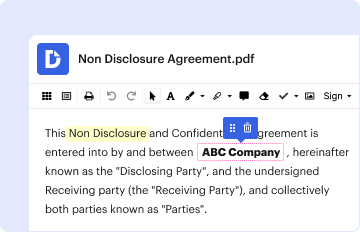
01. Edit your ent exam documentation online
Type text, add images, blackout confidential details, add comments, highlights and more.

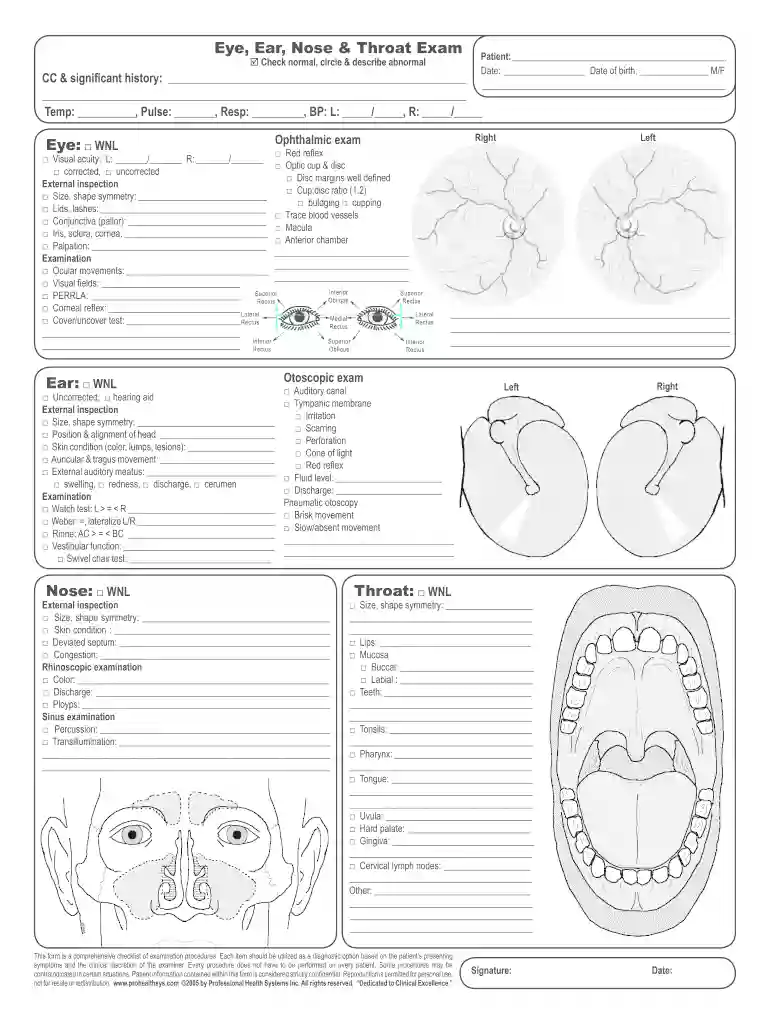
Type text, add images, blackout confidential details, add comments, highlights and more.
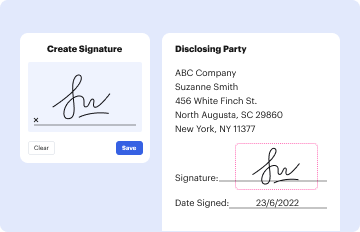
Draw your signature, type it, upload its image, or use your mobile device as a signature pad.

Send ent physical exam template via email, link, or fax. You can also download it, export it or print it out.
Throat exam documentation is a structured record that outlines the findings and procedures involved in a clinical evaluation of the throat. This format is crucial for ensuring that healthcare professionals can effectively communicate patient outcomes and treatment plans. In the context of an ENT (ear, nose, and throat) examination, this documentation serves not only to facilitate clinical decision-making but also to maintain a comprehensive medical history for each patient. Accurate throat exam documentation is essential for legal purposes and helps maintain continuity of care across various healthcare providers.
The documentation for a throat exam typically consists of several essential sections:
Detailed findings regarding temporomandibular joint (TMJ) function and associated symptoms can further support the overall assessment.
To enhance the efficiency and consistency of throat examinations, standardized templates, like the ENT physical exam template, can be utilized. These templates guide clinicians through a systematic review of the throat and related structures, promoting comprehensive evaluations. Commonly included elements in these templates may consist of:
Accurate documentation must distinguish between normal findings and abnormalities. Normal throat exam documentation may indicate:
Conversely, sore throat assessment documentation might detail specific findings such as:
Documenting these findings accurately allows for appropriate follow-up and treatment options.
Throat exam documentation must adhere to legal and ethical standards. Healthcare providers are required to ensure that all documentation is:
Failure to adhere to these standards can result in legal ramifications and undermine patient trust.
There are several challenges that practitioners may face when compiling throat exam documentation:
Addressing these challenges requires ongoing training and emphasis on the importance of meticulous documentation within clinical settings.
Modern throat exam documentation methods often incorporate integration with electronic health records (EHR). This facilitates:
Implementing best practices in throat exam documentation includes:
By following these guidelines, healthcare providers can achieve optimal outcomes in both patient care and clinical documentation.
At DocHub, your data security is our priority. We follow HIPAA, SOC2, GDPR, and other standards, so you can work on your documents with confidence.
Jan 1, 2026 Patient has an abscess or other evidence of oral cavity infection found on invasive procedure, gross anatomic exam, or histopathologic exam.Read more
EXAMPLE OF A COMPLETE DOCUMENTATION J.S. was in good health until one week ago when he noted the gradual onset of a burning pain in his throat, which wasRead more


