




Definition and Meaning of Roof Inspection Reports
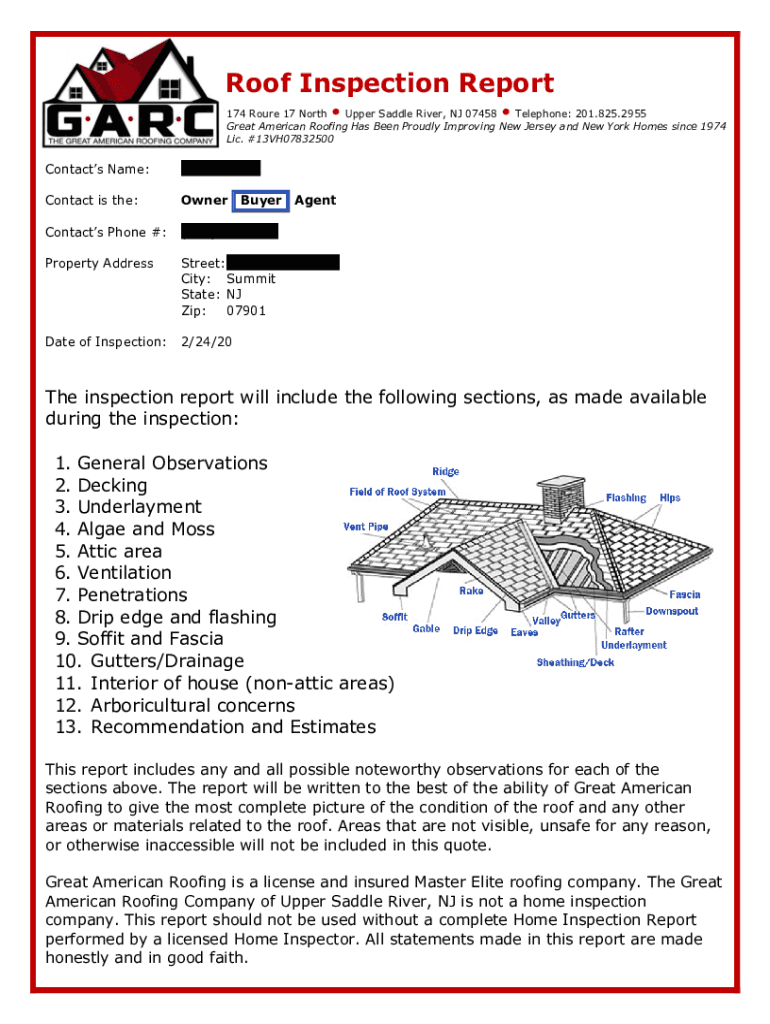
Roof inspection reports are comprehensive documents that assess the condition of a roof. These reports detail the current state of roof elements such as shingles, flashing, gutters, and vents. They identify any damages or issues, including wear and tear, leaks, algae or moss growth, inadequate ventilation, and poor drainage systems. The purpose of the report is to provide homeowners, buyers, or property managers with vital information needed for maintenance, repairs, or replacements. These reports often include photographic evidence and recommendations for addressing any identified problems.
Importance of Accurate Reporting
Accurate roof inspection reports are crucial for ensuring the longevity and safety of residential and commercial properties. These reports help in identifying minor issues before they become major problems, potentially saving significant repair costs. Accurate documentation not only aids in maintenance planning but also serves as an official record during property sales or insurance claims.
How to Use Roof Inspection Reports
Utilizing roof inspection reports effectively requires understanding their components and applying the insights gained. Property owners should review the findings and prioritize recommended actions. The report serves as a guide to schedule necessary repairs or maintenance with qualified roofing professionals. It's also used to negotiate terms in real estate transactions or justify insurance claims. Clear communication with contractors about the report's findings can lead to informed decisions regarding repair methodologies and budgeting.
Key Components of the Report
- Current condition assessment
- Identification of issues or potential risks
- Photographic documentation
- Recommendations for repair or maintenance
- Estimated costs for suggested actions
Steps to Obtain Roof Inspection Reports
Obtaining a roof inspection report involves several steps, ensuring the process is thorough and yields accurate information about the roof's condition.
- Hiring a Professional Inspector
- Choose a certified roofing inspector with experience in local roofing codes and building standards.
- Scheduling the Inspection
- Plan based on weather conditions and inspector availability.
- Conducting the Inspection
- The inspector examines the roof's exterior and attic if accessible.
- Receiving the Report
- An extensive report is provided, usually within a few days.
- Review and Strategy
- Review the report details and develop a plan for any recommended actions.
Who Typically Uses Roof Inspection Reports
Roof inspection reports are used by various stakeholders in real estate and property management, including:
- Homeowners seeking to ensure their roof's longevity and integrity.
- Real estate buyers negotiating terms based on identified roof conditions.
- Sellers providing transparency about property conditions.
- Insurance companies evaluating claims related to roof damage.
- Maintenance teams planning routine upkeep.
Advantages for Homeowners and Buyers
For homeowners, regular inspections lead to timely repairs and increased property value. Buyers use these reports to make informed purchasing decisions or negotiate repairs before closing. Overall, these reports are vital tools in maintaining property safety and value.
Legal Use and Compliance of Roof Inspection Reports
Roof inspection reports can play a legal role in various contexts, such as real estate transactions or insurance claims. Compliance with state and local laws regarding property disclosure can affect the legitimacy and enforceability of these documents.
Legal Importance in Real Estate
- Disclosure Requirements: Sellers must disclose known roof issues to potential buyers.
- Insurance Claims: Insurers require detailed inspection reports to process claims.
Protecting Stakeholder Interests
Comprehensive, accurate reports protect buyers, sellers, and insurers by clearly documenting roof conditions. This ensures all parties are fully informed, reducing the risk of future disputes.
Important Terms Related to Roof Inspection Reports
Understanding the terminology within roof inspection reports helps clarify the findings and recommendations detailed in the document.
- Flashing: Metal pieces used to prevent water from infiltrating the roof's intersection points.
- Fascia and Soffit: Components of the roof's edging and underside, respectively, important for ventilation and water drainage.
- Ice Dam: A ridge of ice that forms at the roof's edge, preventing melting snow from draining.
- Membrane: A waterproof layer applied to roof surfaces, crucial for flat roofs.
Contextual Importance
Familiarity with these terms aids in comprehending the report's content. It enables property owners and managers to discuss issues and solutions knowledgeably.
State-Specific Rules for Roof Inspection Reports
Roof inspection requirements can vary by state due to differences in climate, building codes, and regulations. Understanding these distinctions is essential for compliance and ensuring reports meet local standards.
Examples of State Variations
- Florida: Due to hurricane risks, inspections may focus more on wind mitigation.
- Colorado: Inspections might emphasize hail damage due to frequent storms.
Implications for Property Owners
Adhering to state-specific requirements is crucial for ensuring the report's validity in legal and financial contexts. This helps in making informed decisions that align with regional norms and regulations.
Key Elements of Roof Inspection Reports
Roof inspection reports consist of several critical elements that provide a complete picture of the roof's condition and guide necessary actions.
- Visual Inspection Summary: A detailed account of the visible components of the roof.
- Roof System Overview: Information on materials, design, and remaining lifespan.
- Damage Documentation: Detailed notes on any leaks, cracks, or weaknesses.
- Maintenance History: Records of past repairs or maintenance activities.
Enhancing Utility and Effectiveness
These elements ensure the report is actionable and reliable. Accurate documentation supports informed decision-making and facilitates communication with service professionals.