



Definition & Meaning
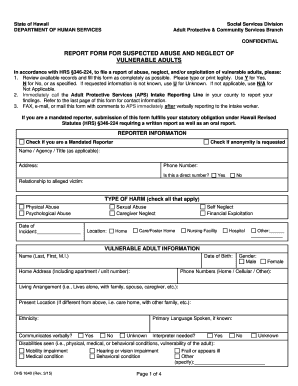
A job quote form is a detailed document used by service providers, contractors, and businesses to outline the specific products and services they offer to potential clients. This form typically includes information about the scope of the job, estimated costs, timelines, and any additional terms or conditions. The job quote form serves as an important tool for both parties to establish a clear understanding of the project details and to ensure transparency in the pricing and expectations.
Features of a Job Quote Form
- Comprehensive Information: Includes details such as client information, job description, itemized costs, and duration.
- Clear Pricing: Breaks down costs into labor, materials, taxes, and other fees.
- Terms and Conditions: Specifies any legal or business terms applicable to the job.
Practical Example
Imagine a homeowner requesting a quote from a roofer. The job quote form would include the cost of materials (shingles, nails), labor costs, estimated start and end dates, and any warranties or guarantees of work.
How to Use the Job Quote Form
Using a job quote form involves a straightforward process of completing, reviewing, and submitting the document to potential clients. The form ensures all relevant information is captured accurately to avoid misunderstandings.
Steps in Using the Form
- Fill Out Client Details: Include the client's contact information and project location.
- Specify Job Details: Describe the work to be performed and any specific requirements.
- Estimate Costs: Use the form to itemize costs, including materials, labor, and additional fees.
- Set Timelines: Provide an estimated timeline for project start and completion.
Key Considerations
- Accuracy: Ensure all details are correct before sharing the quote with the client.
- Clarity: Information should be clearly presented to facilitate understanding by all parties.
Real-World Scenario
A plumbing company uses the form to provide a homeowner with an itemized list of services required to fix a leak, including parts, labor, and service charge.
How to Obtain the Job Quote Form
Obtaining a job quote form can be done through various means, ensuring businesses access a suitable template for their needs.
Ways to Obtain the Form
- Download Online: Many websites offer downloadable templates for different industries.
- Business Software: Some management software includes built-in forms.
- Create Custom Forms: Businesses can design their forms tailored to specific services offered.
Platforms for Templates
- Websites offering business templates often cover a wide range of industries and services.
Example
A construction company might download a form template from a business solutions provider or use software like QuickBooks to generate an invoice-style quote.
Steps to Complete the Job Quote Form
Completing a job quote form involves systematically filling in each relevant section with accuracy and attention to the detail necessary for a clear proposal.
Detailed Steps
- Collect All Necessary Information: Details such as client name, contact, job scope.
- Describe the Scope of Work: Outline what the project entails.
- Calculate and List Costs: Provide an accurate estimate of costs, including a breakdown for clarity.
- Specify Additional Terms: Include any relevant terms or conditions.
- Review and Confirm Information: Double-check the data for accuracy.
- Submit to Client: Send the completed form to the client for review.
Common Mistakes
- Overlooking Details: Ensure every aspect of the job is detailed to avoid additional disputes.
- Misestimating Costs: Provide accurate estimates to maintain credibility.
Example
For a kitchen renovation, list items like cabinetry, counters, and labor while specifying additional charges like permits or disposal fees.
Why Should You Use a Job Quote Form
A job quote form is beneficial for both businesses and clients as it provides a clear, organized framework for setting expectations and legal documentation.
Benefits
- Enhanced Clarity: Both parties understand job scope and financial expectations.
- Professionalism: Using a formal document reflects a professional business demeanor.
- Legal Protection: The form acts as a preliminary contractual agreement.
Impact
Providing potential clients with structured quotes can increase trust and conversion rates by establishing transparency at the outset.
Case Study
A roofing firm increased its client acceptance rate by 30% after implementing detailed quote forms that specified warranties, individual task costs, and completion timelines.
Who Typically Uses the Job Quote Form
Job quote forms are widely used across various industries to provide structured pricing and scope details to potential clients.


Common Users
- Contractors: For construction, renovation, or repair tasks.
- Service Providers: For maintenance, cleaning, or technical services.
- Consultants: To outline consulting services, fees, and timeframes.

Industry Example
In the IT sector, consultants use job quote forms to provide estimates for service packages, including software installation and maintenance.
Key Elements of the Job Quote Form
The structure of a job quote form includes multiple key components ensuring comprehensive communication regarding the proposed job.
Core Components
- Client Information: Necessary for identification and contact purposes.
- Service Description: Clear and detailed outline of the services provided.
- Cost Breakdown: Itemized listing of each service or material cost.
- Payment Terms: Details on payment methods and terms of payment.
Additional Inclusions
- Timelines: Projected start and end dates.
- Warranties and Guarantees: Any assurances related to the job quality.
Practical Application
For a landscaping project, include plant species, equipment rental, and labor charges, ensuring the client understands each component of the job estimate.
Digital vs. Paper Version
Businesses must decide between digital or physical formats of job quote forms based on convenience, accessibility, and industry standards.
Pros and Cons
-
Digital Forms: Enhanced for easy sharing and editing.
- Advantage: Fast, easily accessible, and environmentally friendly.
- Drawback: May require digital literacy from all parties.
-
Paper Forms: Traditional and tangible, providing a physical copy.
- Advantage: Familiarity and simplicity; no tech required.
- Drawback: Less eco-friendly, prone to physical damage or loss.
Industry Usage
A mobile car detailing service might choose digital forms to easily communicate with clients on the go, whereas a home repair service might use paper forms during in-person client consultations.