






Definition and Purpose of Learning for LIFE: An ESL Literacy Curriculum Framework
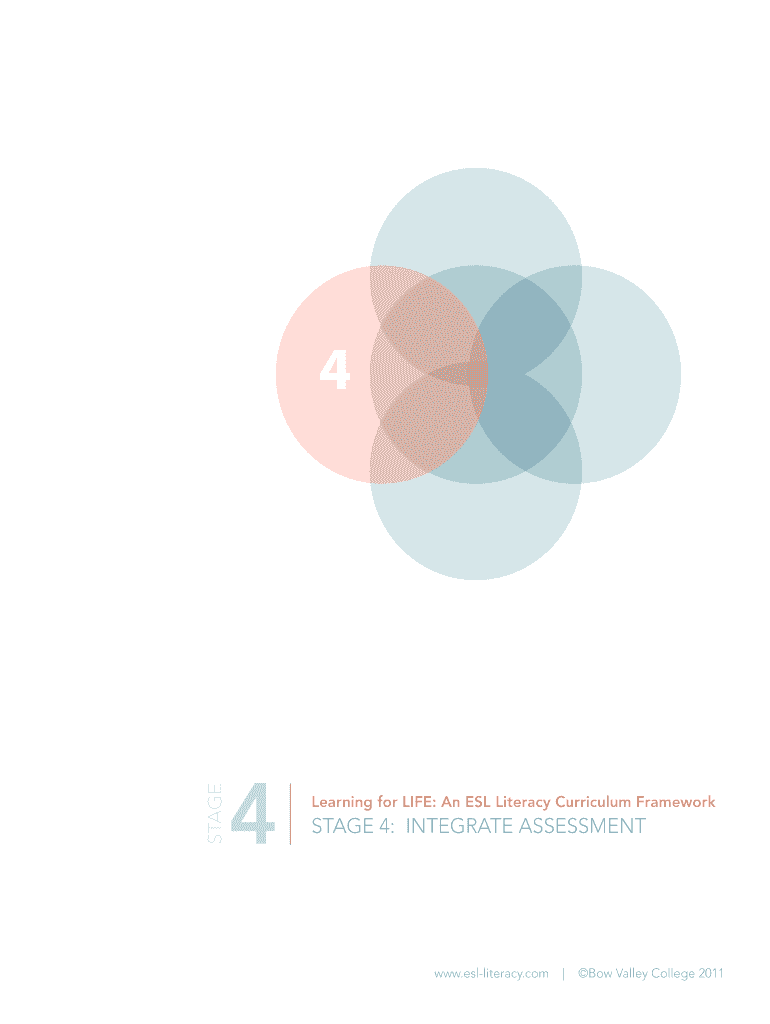
The "Learning for LIFE: An ESL Literacy Curriculum Framework" serves as a structured guide tailored for ESL literacy programs. It is designed to support educators in teaching English as a Second Language, emphasizing the integration of ongoing, transparent, and purposeful assessment linked to learning outcomes. This framework categorizes assessment methods into three distinct types: assessment for learning, assessment as learning, and assessment of learning. In this context, assessment for learning refers to the tools and methods used by educators to track learner progress and adapt teaching strategies accordingly. Assessment as learning involves engaging learners in self-evaluation, encouraging them to reflect on their own understanding and skills. Lastly, assessment of learning is used to document learner progress at the end of an instructional period. Practical tools like portfolios are emphasized for documenting progress and facilitating communication between learners and educators.
Steps to Implement the Learning for LIFE Curriculum Framework
-
Understand the Assessment Methods: Begin by familiarizing yourself with the three assessment categories. Identify strategies and tools that align with your classroom needs.
-
Develop Placement Assessments: Create placement tests to determine initial learner proficiency levels. This step is crucial for customizing the learning experience to individual needs.
-
Incorporate Portfolios: Introduce portfolios as a key component in your curriculum. Guide learners in selecting work that reflects their progress and learning journey.
-
Facilitate Self-Assessment: Encourage learners to engage in self-assessment practices. Provide them with tools and prompts that facilitate reflection on their language acquisition journey.
-
Review and Adapt: Regularly review assessment results to adapt teaching methods and support learning outcomes. Use data to inform instructional decisions and improve program effectiveness.
Why Use the Learning for LIFE Framework?
Utilizing the Learning for LIFE framework brings numerous benefits, such as:
-
Structured Approach to Assessment: Provides a comprehensive guide for linking assessments with learning outcomes, fostering a deeper understanding of learner progress.
-
Enhanced Learner Engagement: Encourages active learner participation through self-assessment and reflection, making the learning process interactive and personal.
-
Tailored Learning Experiences: Through placement tests and ongoing assessments, educators can customize instruction to meet individual learner needs, maximizing effectiveness.
-
Improved Communication: The use of portfolios allows for tangible documentation of progress, facilitating meaningful dialogue between learners and educators.
-
Accountability and Transparency: Clearly defined assessment methods ensure accountability, providing transparency in how learning is measured and evaluated.
Who Typically Utilizes the Learning for LIFE Framework?
The framework is employed primarily by ESL instructors who aim to enhance literacy programs through structured assessment. These educators work across various settings, including:
-
Adult Education Centers: Facilitators supporting adults in acquiring English literacy skills for personal and professional growth.
-
K-12 Schools: Teachers in English-language learning programs catering to students at different education levels.
-
Community Colleges: Instructors helping non-native speakers improve their language skills for higher education or vocational needs.
-
Nonprofit Organizations: ESL tutors in community-based programs aimed at improving language skills for immigrants and refugees.
Key Elements of the Learning for LIFE Framework
The framework includes several critical components designed to improve ESL literacy education:
-
Portfolios for Progress Assessment: Encourages learners to document their own progress, reflecting on growth and areas for improvement.
-
Placement Assessments: Ensure learners start at appropriate levels and receive instruction tailored to their abilities.
-
Dynamic Assessment Strategies: Combines formative and summative assessments to provide a comprehensive view of learner progress.
-
Instructor Support Resources: Offers guidelines and tools for educators to efficiently implement the framework and adapt it to their specific teaching contexts.
Important Terminology in the Framework
-
Assessment for Learning: Continuous evaluation used to adapt instruction and support learner progress.
-
Assessment as Learning: Engages learners in self-evaluation as part of the learning process.
-
Assessment of Learning: Summative evaluations documenting learner achievements at the end of instruction.
-
Formative Assessment: Ongoing assessments used to provide feedback and guide learning.
-
Summative Assessment: Cumulative assessments that evaluate overall learner achievements and outcomes.
Examples of Applying the Learning for LIFE Framework
-
Case Study: Community ESL Program: A local adult education center adopted the framework to improve learner outcomes. By integrating portfolios and self-assessment techniques, the program saw a marked increase in learner engagement and progress documentation.
-
Scenario: K-12 ESL Classroom: A high school teacher implemented dynamic assessment strategies, utilizing formative tests and reflective journals to aid English language learners. This approach helped tailor instruction to diverse learner needs, improving language acquisition rates.
Legal Considerations and Compliance
Instructors and institutions applying the Learning for LIFE framework should ensure that their assessment practices comply with relevant educational standards and regulations, particularly within the United States. This includes:
-
FERPA Compliance: Adhere to the Family Educational Rights and Privacy Act guidelines when handling learner records and assessment data.
-
IDEA Provisions: Instructors working with students with disabilities must follow the Individuals with Disabilities Education Act to ensure equitable access and support.
-
Standardized Assessment Protocols: Use of consistent and fair assessment methods across diverse learner populations to maintain integrity and transparency in evaluation.