






Definition and Meaning
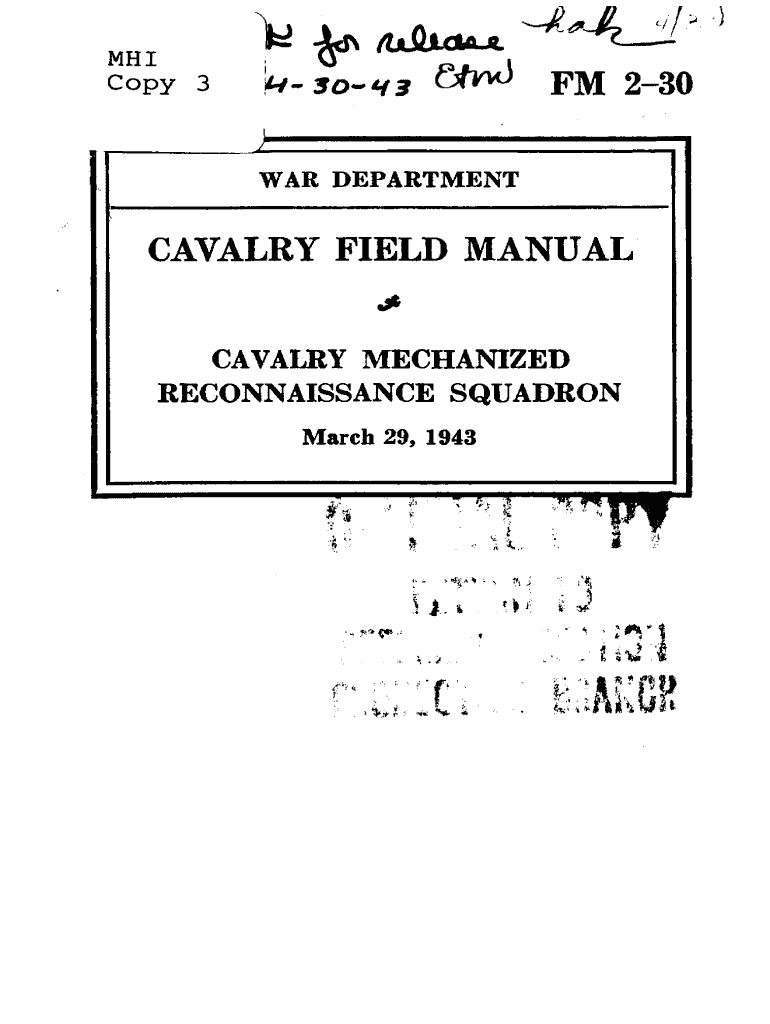
Mechanized Cavalry Groups represent an evolution in military strategy that combines traditional cavalry roles with modern mechanized capabilities. As outlined in historical documents like the Cavalry Field Manual FM 2-30, these units are designed to perform reconnaissance, intelligence gathering, and support operations on the battlefield. Their primary function is to provide enhanced mobility and firepower, ensuring they can adapt to various combat scenarios effectively. This approach allows for quicker response times and increased operational flexibility in military engagements.
How to Use the Mechanized Cavalry Groups: Lessons for the Future of - DTIC
The DTIC (Defense Technical Information Center) repository hosts numerous documents related to military operations, including studies on mechanized cavalry groups. To utilize this information effectively, users should identify specific operational scenarios or historical contexts in which mechanized cavalry units have been deployed. Understanding tactical formations, communication methods, and mobility strategies are crucial for adapting these lessons to current or future military needs. Such insights can guide the strategic planning and development of training programs for modern armed forces.
Steps to Complete the Mechanized Cavalry Groups: Lessons for the Future of - DTIC
- Access DTIC Resources: Visit the DTIC website to locate relevant documents on mechanized cavalry groups.
- Identify Key Publications: Search for the Cavalry Field Manual FM 2-30 and other related documents to gain foundational knowledge.
- Analyze Tactical Content: Study sections detailing reconnaissance missions, tactical formations, and operational procedures.
- Extract Lessons Learned: Focus on past deployments, examining successes and areas for improvement.
- Apply Modern Contexts: Adapt historical lessons to contemporary military needs, considering advancements in technology and tactics.
Important Terms Related to Mechanized Cavalry Groups
- Reconnaissance: The process of gathering intelligence and information about enemy forces and terrain through observation and other detection methods.
- Mechanization: The integration of machinery into traditional cavalry units to enhance movement and combat capabilities.
- Tactical Formations: Structured arrangements of military forces in combat scenarios to achieve strategic objectives.
- Operational Procedures: Standardized methods and practices used to execute military operations effectively.
Examples of Using the Mechanized Cavalry Groups: Lessons for the Future of - DTIC
- Case Study of World War II: Mechanized cavalry groups played a significant role in the rapid advance of Allied forces through Europe, providing crucial reconnaissance and support.
- Modern Military Training Programs: Developing exercises that simulate historical mechanized cavalry operations to enhance current military capabilities.
- Innovative Reconnaissance Techniques: Leveraging historical strategies to develop modern reconnaissance technology, such as drones and advanced surveillance systems.
Legally Binding Electronic Signatures in Military Documentation
The adoption of electronic signatures, compliant with the ESIGN Act, streamlines military documentation processes, including those involving mechanized cavalry units. This ensures documents are legally binding and allows for efficient handling of sensitive information related to strategic operations and personnel management. Using platforms like DocHub, military personnel can securely sign and manage documents, enhancing logistical efficiency and operational readiness.
Key Elements of the Mechanized Cavalry Groups: Lessons for the Future
- Mobility and Flexibility: Fundamental characteristics of mechanized cavalry groups that enhance battlefield movement.
- Firepower: Integration of advanced weaponry to provide superior combat capabilities over traditional cavalry units.
- Intelligence Gathering: Strategic focus on reconnaissance missions to inform command decisions and operational planning.
- Training Protocols: Essential guidelines and drills derived from historical lessons to prepare modern forces for diverse missions.
Business Types that Benefit Most from Mechanized Cavalry Groups: Lessons for the Future
Though initially military-focused, lessons from mechanized cavalry groups can provide strategic insights to various business types, particularly those operating in dynamic environments:
- Logistics and Supply Chain Management: Adapting mobility strategies to ensure efficient movement and distribution of goods.
- Technology Firms: Leveraging innovations in mechanization and automation to develop cutting-edge products and services.
- Strategic Consulting: Offering analysis and applications of military strategies to optimize business operations and decision-making processes.