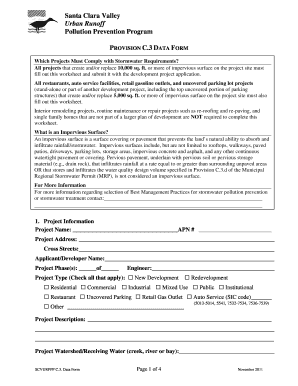
Definition and Meaning
The term "Commercial Purchaser" typically refers to an entity or individual that buys goods or services primarily for use in a business rather than for personal consumption. This classification often affects the terms and benefits that a purchaser might receive, including pricing, volume discounts, and the ability to negotiate customized terms. In some contexts, being a commercial purchaser can mean qualifying for certain tax exemptions or credits. Understanding the exact definition in legal or business terms is crucial for compliance and maximizing benefits.
How to Use the Commercial Purchaser Form
To effectively use a Commercial Purchaser form, it is important to ensure all fields are correctly filled out according to the provided instructions. This form may be used to register as a commercial buyer with distributors or manufacturers, often requiring you to detail business-related information such as your company name, tax identification number, and the type of business activities. Filling out this form accurately ensures you can avail yourself of benefits like bulk purchasing and special terms. Always review instructions carefully before submission to prevent errors that could delay processing.
Steps to Complete the Commercial Purchaser Form
- Gather Necessary Information: Collect all relevant business details before beginning. This includes your business registration number, tax ID, and company contact information.
- Fill Out Business Identification Details: Enter your business name, address, and contact details accurately in the designated sections.
- Specify Business Operations: Detail the nature of your business operations, ensuring this aligns with the commercial activities described.
- Verify and Sign: Double-check for accuracy and completeness before signing. An authorized representative of the business must provide the signature.
Different businesses may be required to provide additional documentation, such as proof of registration or licensing, to complete the form.
Key Elements of the Commercial Purchaser Form
- Business Name and Contact Information: Ensures identification and communication.
- Tax Identification Number (TIN): Essential for tax-related matters and proper categorization.
- Business Type and Activities: Helps in classifying the purchaser for specific commercial terms.
- Signature of Authorized Representative: Validates the form and assures adherence to stated terms.
These elements are critical for the form to serve its purpose effectively.
Legal Use of Commercial Purchaser Status
Commercial Purchaser status may grant you access to specific legal benefits, such as tax exemptions on certain supplies or services deemed necessary for business operations. This designation implies that purchases made are purely for business use and not for personal consumption, which can be essential for compliance with tax laws. Legal use requires adherence to regulations regarding eligible purchases and maintaining necessary records for audit purposes.
Business Types That Benefit Most from Commercial Purchaser Status
Various business entities stand to benefit from being recognized as a commercial purchaser, including:
- Retailers: They gain access to wholesaler networks and bulk purchasing discounts.
- Manufacturers: Often receive raw materials at commercial rates under specific terms.
- Service Providers: Obtain necessary equipment or software at reduced commercial rates.
These types benefit significantly through cost reductions and potentially enhanced business relationships with suppliers.
Examples of Using the Commercial Purchaser Status
- Vehicle Fleets in Logistics: A logistics company may use the status to purchase vehicle parts at bulk rates.
- Retail Store Chains: These may secure better terms on stock purchases that align with wholesale pricing.
- Construction Firms: They often leverage this status for tools and materials exclusive to licensed contractors.
These scenarios illustrate the practical application and advantages of commercial purchaser status in varied industry settings.
Software Compatibility for Handling Commercial Purchaser Documents
Many businesses streamline the handling of Commercial Purchaser forms through software such as DocHub, TurboTax, or QuickBooks. These tools support:
- Document Management: Efficient storage, retrieval, and organization of form submissions.
- Automation: Auto-fill data to reduce manual entry times.
- Integration: Compatibility with broader enterprise systems for a seamless flow of information.
Using such software can significantly reduce processing times and errors, enhancing operational efficiency.
State-Specific Rules for Commercial Purchasers
Some states in the U.S. may have unique regulations governing the rights and responsibilities of commercial purchasers. These might include:
- Tax Regulations: Specific exemptions or credits available for commercial transactions only.
- Registration Requirements: Necessitated additional documentation or steps.
Familiarity with these rules is crucial for businesses operating across different states to maintain compliance and capitalize on potential benefits.
Ensuring that such intricacies are well-understood and adhered to is vital for leveraging the full advantages of being classified as a commercial purchaser.