






Definition & Meaning
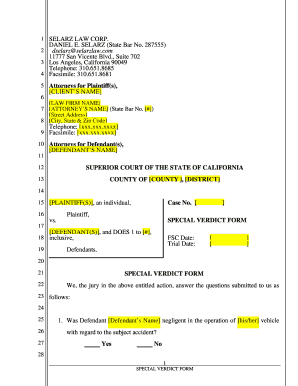
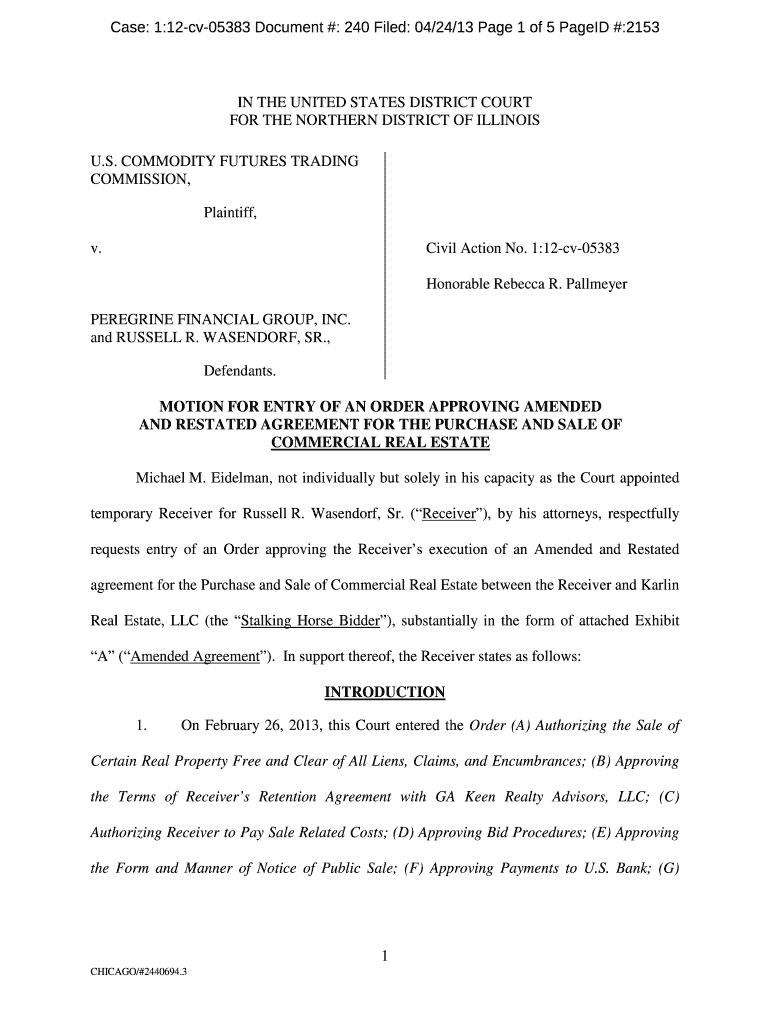
A "Motion for Entry of an Order Approving Amended and Restated Agreement for the Purchase and Sale of C" is a legal document submitted to a court, specifically requesting the approval for changes to a previously agreed-upon purchase and sale agreement. This motion often involves commercial transactions and could be related to real estate or other significant assets. The term "C" likely refers to a specific entity or asset within the context of this motion. The motion ensures that modifications or additions to the original agreement are legalized through a court's endorsement, providing clarity and legal certainty to all parties involved.
How to Use the Motion
To properly utilize this motion, parties involved in a transaction must ensure that all details of the amended agreement are clearly documented and provided as part of the motion itself. The motion serves as a formal request to a court, seeking approval for these amendments. Users must submit the motion to the appropriate jurisdiction, often accompanied by supporting documents such as affidavits, the original agreement, and any relevant correspondence that may aid in demonstrating why the changes are necessary. This procedure ultimately aids in legitimizing new terms agreed upon by the parties within the eyes of the law.
Steps to Complete the Motion
- Gather Required Documents: Assemble the original agreement, proposed amendments, and any relevant affidavits.
- Draft the Motion: Ensure that the motion contains a clear statement of purpose and justifications for the amendments.
- Review Legal Requirements: Verify that the motion aligns with the jurisdiction's procedural rules and legal standards.
- File with the Court: Submit the motion to the appropriate court, adhering to any deadlines.
- Serve Notice: Notify all relevant parties about the motion filing and any scheduled hearings.
- Attend Court Hearings: Be prepared to discuss the motion in court if required.
- Follow-Up: Once approved, ensure all parties receive the court's order and implement the amendments.
Why You Should File the Motion
Filing this motion is crucial to ensure that any changes to an existing agreement are legally recognized and enforceable. It provides a mechanism for the parties to update terms without starting over with a new contract, preserving the continuity of business arrangements. Furthermore, it helps mitigate risks associated with informal agreements by providing a formal, court-approved endorsement of the amended terms, thereby enhancing legal protection and clarity for all parties.
Important Terms Related to the Motion
- Amended Agreement: Refers to the revised contract terms that parties seek to validate through the motion.
- Receiver's Obligations: Legal duties of a receiver who manages the involved asset, often highlighted in these motions for their compliance.
- Bidder Protections: Includes safeguards for potential or former bidders on the asset or property, ensuring fairness and transparency in the transaction.
Legal Use of the Motion
The motion is primarily used in scenarios where the original purchase agreement requires changes that must be formally recognized by a court. Typical legal uses involve the sale of high-value assets where court oversight is a prerequisite for any alteration to existing terms, especially if the property is under receivership or part of a bankruptcy estate. The court's approval ensures all amendments abide by relevant legal and procedural guidelines.
Key Elements of the Motion
- Introduction and Background: This section outlines the basic agreement details and reasons for modification.
- Proposed Amendments: A detailed description of each change to the original agreement.
- Legal Justifications: Logical and legal reasons supporting why these amendments are necessary or beneficial.
- Requested Relief: The specific court order sought, typically asking for validation and enforcement of the new terms.
Filing Deadlines and Important Dates
- Initial Filing Deadline: This date is crucial as it sets the timeline for all subsequent legal actions.
- Hearing Dates: The court sets these dates to review the motion.
- Response Deadlines: The timeframe by which opposing parties must file any objections or responses.
- Compliance Dates: These are related to when the agreed terms should be executed post-approval.
Examples of Using the Motion
In one case, the motion was filed to adjust the purchase price of commercial real estate from a higher original amount to a more favorable price based on current market conditions. Another example involved altering the timeline for closing and extending due diligence periods when unforeseen inspection issues arose, demonstrating the motion's flexibility in adapting agreements to real-world changes.