






Definition & Meaning
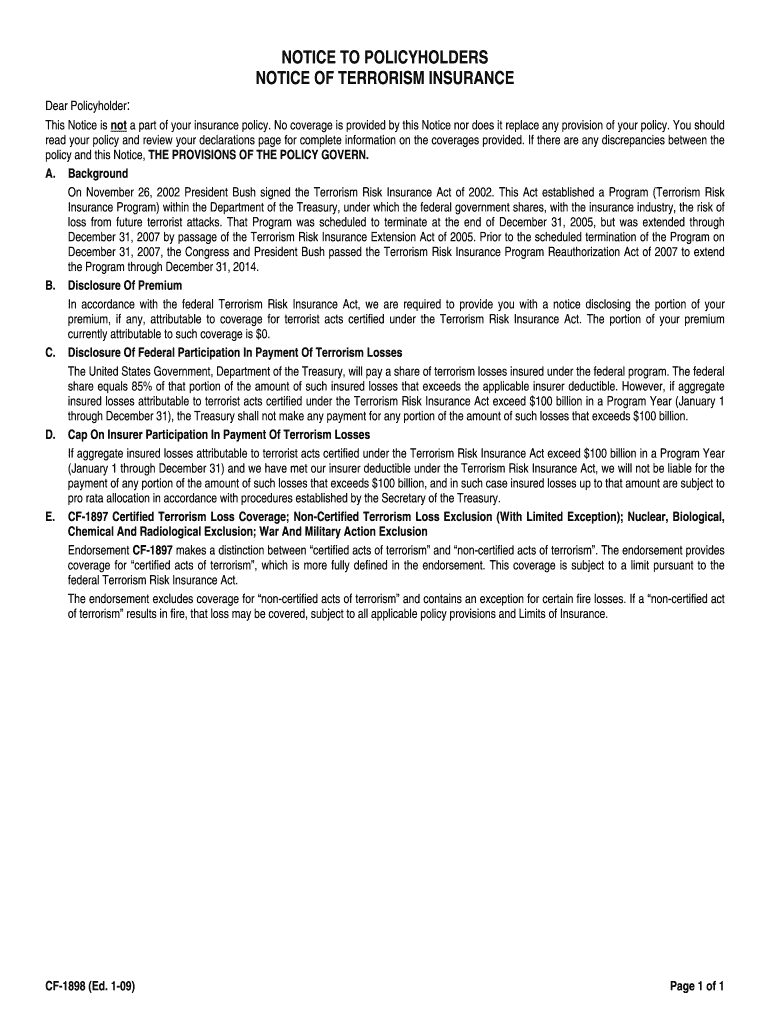
The "Disclosure No 1 - Treasury" serves as a crucial document within the domain of financial disclosures and compliance. While the specific nature of this form can vary, it typically involves communication regarding financial risks, government participation, and regulatory requirements. The document is often associated with providing transparency related to financial dealings, such as declaring potential securities risks or clarifying the terms under which financial instruments operate. The role of such disclosures often extends beyond mere formality; they ensure parties involved in financial transactions are fully informed and can make decisions based on complete data.
- Transparency and Compliance: Ensures adherence to financial regulations by clarifying obligations under the law.
- Risk Communication: Details about potential investment or security risks that investors or stakeholders need to be aware of.
How to Use the Disclosure No 1 - Treasury
Using the Disclosure No 1 - Treasury efficiently requires a clear understanding of the form's structure and purpose. Individuals or entities typically engage with this form as part of financial or insurance transactions. The process can be user-friendly when approached systematically.
- Identify Purpose: Determine why the disclosure is needed, whether it is for compliance, informing investors, or detailing transaction specifics.
- Review Sections: Familiarize yourself with all sections to ensure complete and accurate completion.
- Complete Details: Fill in required information carefully, ensuring all entries are correct and comprehensive.
- Verification and Submission: Verify all entered data to avoid errors. Decide on your preferred submission method: online or paper.
- Practical Examples: If you're a financial advisor, this document helps clarify investment risks to clients. For businesses, it ensures compliance in financial reporting.
Steps to Complete the Disclosure No 1 - Treasury
Completing the Disclosure No 1 - Treasury efficiently requires clear instructions and a systematic approach. Here is a structured guide to executing this task successfully:
- Gather Necessary Information: Before beginning, collect all required documents and information related to financial transactions or insurance details.
- Focus on Accuracy: Pay careful attention to detail to ensure that all data entry is correct. Mistakes can lead to compliance issues.
- Complete Forms Methodically: Work through the form systematically, section by section.
- Review and Verify: Double-check all entries for accuracy and completeness before proceeding.
- Choose Submission Format: Decide whether to submit the form digitally or via mail, depending on your convenience and any governing entity requirements.
- Subsections: Include a checklist of common fields, such as financial asset descriptions and investor details.
Key Elements of the Disclosure No 1 - Treasury
Understanding the critical components of the Disclosure No 1 - Treasury is crucial for ensuring accurate and comprehensive completion. Each element of the form serves a specific purpose, aimed at providing clarity and compliance:
-
Identification Information: Contains personal or entity information that identifies the parties involved.
-
Financial Details: Provides a detailed account of financial instruments or insurance specifics involved in the disclosure.
-
Risk Assessment: Sections dedicated to outlining potential risks and their management.
-
Certification and Signature: Affirms that the information provided is accurate and complete.
-
Example: The financial details might include current valuations, potential for depreciation, or historical performance data.
Legal Use of the Disclosure No 1 - Treasury
The legal implications of the Disclosure No 1 - Treasury cannot be overstated. This document serves as a compliance tool in meeting legal requirements. It is essential for legal assurance in financial agreements or insurance policies:
-
Ensures Compliance: Assists in meeting federal and state financial regulations.
-
Protects Stakeholders: By making sure all parties are aware of crucial details, it protects against potential legal disputes.
-
Documentation: Helps maintain detailed records of transactions and their legal standings.
-
Real-World Scenario: Financial institutions often utilize such disclosures to meet legal requirements in mergers or acquisitions.
Who Typically Uses the Disclosure No 1 - Treasury
The user base of the Disclosure No 1 - Treasury predominantly includes individuals and entities in financial and legal professions. However, its applications can span a diverse range of scenarios:
-
Financial Professionals: Banks, investment firms, and financial advisors leverage it for transparency and compliance.
-
Insurance Companies: Utilize it to disclose terms in risk coverage policies.
-
Corporate Entities: Businesses of all sizes may require these documents for auditing and compliance.
-
Legal Teams: Use the document as a legal safeguard in financial dealings.
-
Scenarios and Examples: A company acquiring another might use this disclosure to inform stakeholders about financial risks.


Important Terms Related to Disclosure No 1 - Treasury
Understanding the terminology associated with the Disclosure No 1 - Treasury is vital for effective utilization. Here are key terms that commonly appear in this context:
-
Compliance: Adherence to established regulations and standards.
-
Disclosure: the act of making information known, particularly of potential risks or obligations.
-
Risk Management: Strategies or practices employed to handle potential risks.
-
Audit Trail: A system of record that traces the financial activities related to the disclosure.
-
Additional Context: Terminology around disclosures often involves regulatory language crucial for legal understanding.
Eligibility Criteria
Determining eligibility to utilize the Disclosure No 1 - Treasury effectively aids in its proper application and compliance. The criteria can vary based on the specific regulatory requirements and financial contexts:
-
Financial Stakeholders: Individuals or entities involved in transactions that require disclosure under financial regulations.
-
Legal Necessity: Circumstances where legal requirements mandate disclosure.
-
Compliance Obligations: Parties that need to meet compliance standards set by financial oversight bodies.
-
Variants and Exemptions: Certain financial sectors may have distinct rules affecting eligibility. Understanding these nuances will prevent future issues.
By following these comprehensive sections, you can ensure accurate, compliant, and effective engagement with the "Disclosure No 1 - Treasury," serving a broad array of financial and legal needs.