






Definition & Meaning
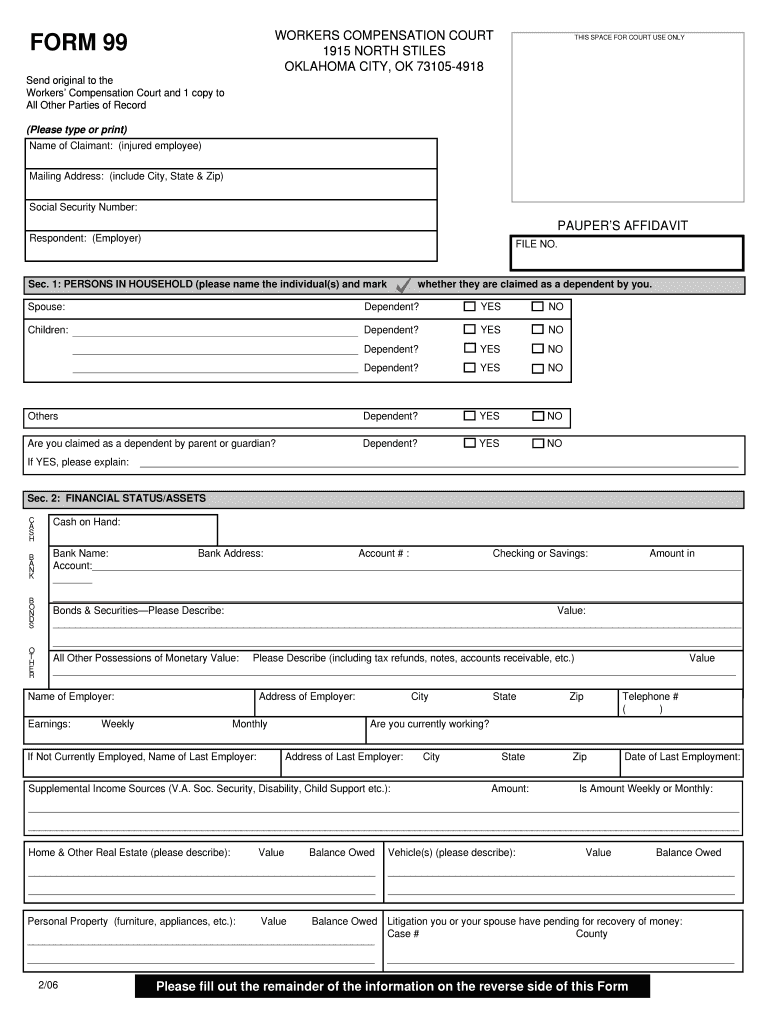
FORM 99, commonly recognized as a financial reporting form, is used by certain organizations to disclose their financial status to regulatory bodies like the IRS. It primarily serves not-for-profit entities that are required to maintain transparency in their financial dealings, allowing both the public and regulatory agencies to gain insight into their fiscal activities. Organizations that file FORM 99 often include charities, educational institutions, and other tax-exempt entities.
Contextual Use
- Non-profit organizations use FORM 99 to demonstrate their commitment to ethical financial practices.
- Regulatory bodies assess these forms to ensure compliance with federal regulations.
- Transparency through FORM 99 helps maintain public trust in tax-exempt institutions.
Why Should You Use FORM 99
FORM 99 is crucial for non-profit entities as it fulfills a regulatory requirement that ensures transparency and accountability. Filing this form allows organizations to publicly declare their financial activities, which can help build trust with donors and stakeholders. The detailed financial disclosures included in the form can also assist regulatory bodies in monitoring and auditing the financial health and compliance of the organization. Additionally, timely and accurate submission can prevent penalties associated with non-compliance.
Benefits of Transparency
- Enhances donor confidence and aids fundraising efforts.
- Provides an opportunity for public recognition and positive media coverage.
- Assists in internal audits and financial planning.
Steps to Complete FORM 99
Completing FORM 99 requires attention to detail and accuracy. While the process may seem complex, it can be broken into manageable steps:
- Gather Financial Documents: Collect all financial records, including income, expenses, and assets.
- Complete Financial Statements: Utilize records to prepare comprehensive financial statements, including income statements and balance sheets.
- Provide Organizational Information: Enter basic details such as the organization's name, address, and employer identification number (EIN).
- Outline Program Services: Describe the organization’s mission and any significant programs or services offered.
- Review and Confirm Accuracy: Double-check all information for precision and consistency before submission.
Tips for Accuracy
- Consult with a financial advisor or accountant specialized in non-profit tax compliance.
- Use accounting software compatible with tax forms to automate calculations.
- Verify all figures against bank statements and internal records.
Key Elements of FORM 99
FORM 99 includes several critical sections that each organization must accurately complete. These sections provide insight into various aspects of an organization's operations and finances:
- Financial Overview: Summarizes total revenue, expenses, and net assets.
- List of Officers and Directors: Discloses information about the governing body.
- Programs and Services: Highlights significant initiatives and their financial impact.
- Compensation: Details salaries and benefits to key personnel.
Importance of Full Disclosure
- Ensures compliance with federal regulations.
- Helps identify financial trends and areas needing improvement.
- Displays operational cost efficiency and fiscal responsibility.
Who Typically Uses FORM 99
FORM 99 is primarily used by non-profit organizations to fulfill regulatory requirements mandated by the IRS. This includes:
- Charitable organizations
- Foundations
- Educational institutions
- Religious entities operating with tax-exempt status.
Diverse Applications
- Grants qualification: Non-profits often need a completed FORM 99 for eligibility.
- Public scrutiny: Online visibility of FORM 99 enhances accountability.
- Donor relations: Donors review FORM 99 to ensure fiscal responsibility.
Legal Use of FORM 99
The legal use of FORM 99 pertains to its necessity for maintaining tax-exempt status with the IRS. It serves as an official document ensuring that a non-profit's financial activities align with legal standards and ethical norms.
Compliance Assurances
- Filing FORM 99 is legally required to avoid losing tax-exempt status.
- Helps organizations adhere to federal and state regulations.
Important Terms Related to FORM 99
Understanding FORM 99 involves familiarizing oneself with specific terminology essential for accurate completion:
- Tax-Exempt Organization: An entity exempt from paying federal income tax.
- EIN (Employer Identification Number): A unique number assigned to an organization for tax reporting.
- Financial Statement: A structured report of fiscal activities, including assets, income, and expenses.
Key Definitions
- Program Services Revenue: Income generated directly from services provided by the organization as part of its mission.
- Net Assets: Total assets minus total liabilities.
State-Specific Rules for FORM 99
Filing requirements for FORM 99 can vary by state, affecting factors such as submission deadlines and additional documentation. Compliance with state regulations is as critical as federal adherence.
Regional Variations
- Some states may require supplementary reporting beyond FORM 99.
- Varying deadlines necessitate awareness of both federal and local timelines.
- State-specific exemptions or waivers might apply based on local criteria.