






Definition and Meaning
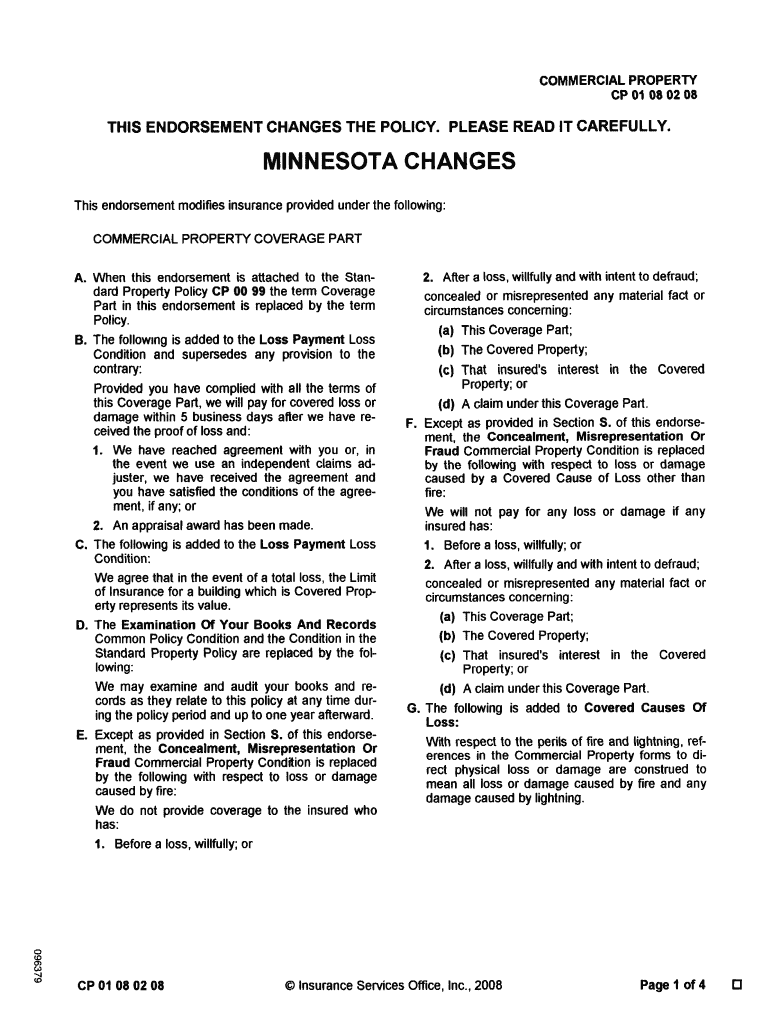
The "exclusion of loss due to virus or bacteria - North Star Mutual" refers to a specific clause within insurance policies issued by North Star Mutual that explicitly excludes coverage for damages or losses caused by viruses or bacteria. This exclusion is typically part of the commercial property insurance policies and implies that any claim related to viral or bacterial contamination will not be covered. It is essential for policyholders to understand this provision to assess their risk exposure accurately and consider additional coverage if necessary.
Purpose of the Exclusion
- To limit insurer liability concerning unforeseen widespread outbreaks.
- To clarify coverage boundaries for insured businesses.
- To align with industry-wide practices given the unpredictable nature of viral and bacterial risks.
How to Use the Exclusion Clause
Understanding how to apply the exclusion in practice requires detailed knowledge of both the clause and the insurance policy as a whole. Policyholders should thoroughly review their policy documents or consult with insurance advisors to comprehend how this exclusion may affect claims.
Key Considerations
- Review policy documents to identify the inclusion of the exclusion.
- Consider risk management strategies for uninsured perils.
- Consult with professionals on alternative coverage options.
Steps to Complete the Exclusion
To ensure that the "exclusion of loss due to virus or bacteria" is appropriately integrated into policy coverage:
- Review Policy Details: Ensure that your policy includes this exclusion; consult directly with North Star Mutual if unclear.
- Assessment: Evaluate how the exclusion affects your overall risk management plan.
- Document Acknowledgement: Formally sign or acknowledge understanding of the exclusion when purchasing or renewing the policy.
- Consider Additional Coverage: Explore separate insurance options like Pandemic Insurance if viral coverage is crucial.
Important Follow-up Actions
- Periodically review policy updates from North Star Mutual.
- Stay informed about any legislative or industry changes regarding insurance coverage gaps.
Important Terms Related to the Exclusion
Understanding the terminology can aid in navigating the details of the exclusion:
- Viral Contamination: Refers to the presence of harmful viruses that may cause damage.
- Bacterial Contamination: Involves damage or loss due to harmful bacteria.
- Policyholder: The entity or individual that holds the insurance policy.
Key Definitions
- Contamination: A detrimental presence that can result in property loss.
- Exclusion: Specific situations or incidents not covered by an insurance policy.
Key Elements of the Exclusion Clause
The fundamental aspects of this exclusion clause include:
- Scope of Exclusion: Clearly identifies viral and bacterial causes as non-covered risks.
- Applicability: Determines which types of claims the exclusion affects.
- Exceptions, if any: Any scenario where viral or bacterial risk might be considered.
Detailed Breakdown
- Exclusion Language: Precise wording and terminology used in the clause.
- Supporting Documentation: Additional papers that might accompany or explain the clause better.
Real-World Examples of Using the Exclusion
To understand its implications, consider hypothetical scenarios:
- A restaurant files a claim for income loss due to a virus outbreak that temporarily halts operations. The exclusion clause would prevent policy payout for this situation.
- A manufacturing plant experiences equipment contamination from bacteria, leading to shutdowns. The exclusion would typically apply, denying coverage for associated losses.
Lessons from Examples
- Highlight the necessity of supplementary coverage.
- Showcase the limitations and financial implications for businesses.
State-Specific Rules for the Exclusion
Insurance regulations can vary significantly by state, affecting the implementation of this exclusion:
- Local Legislation Influence: Some states may impose regulatory requirements that affect the administration of exclusions.
- Regulatory Bodies: State insurance departments often provide guidelines or interpretative bulletins regarding common policy exclusions.
Notable State Differences
- Minnesota: Particular attention due to regional case precedents impacting policy wording and enforcement.
Legal Use and Interpretations
Legally, the enforcement and validity of this exclusion can have broader implications:
- Court Interpretations: Legal challenges or interpretations may affect how exclusions are applied.
- Industry Standards: Legal standards developed through case law provide context for future applications.
Compliance and Legal Advisories
- Advisable to seek legal counsel to understand implications fully.
- Pay attention to industry bulletins and legal analyses on viral/bacterial exclusions.
By fully grasping these aspects of the "exclusion of loss due to virus or bacteria - North Star Mutual," businesses can make informed decisions reflecting their insurance needs and exposure to potential risks.