
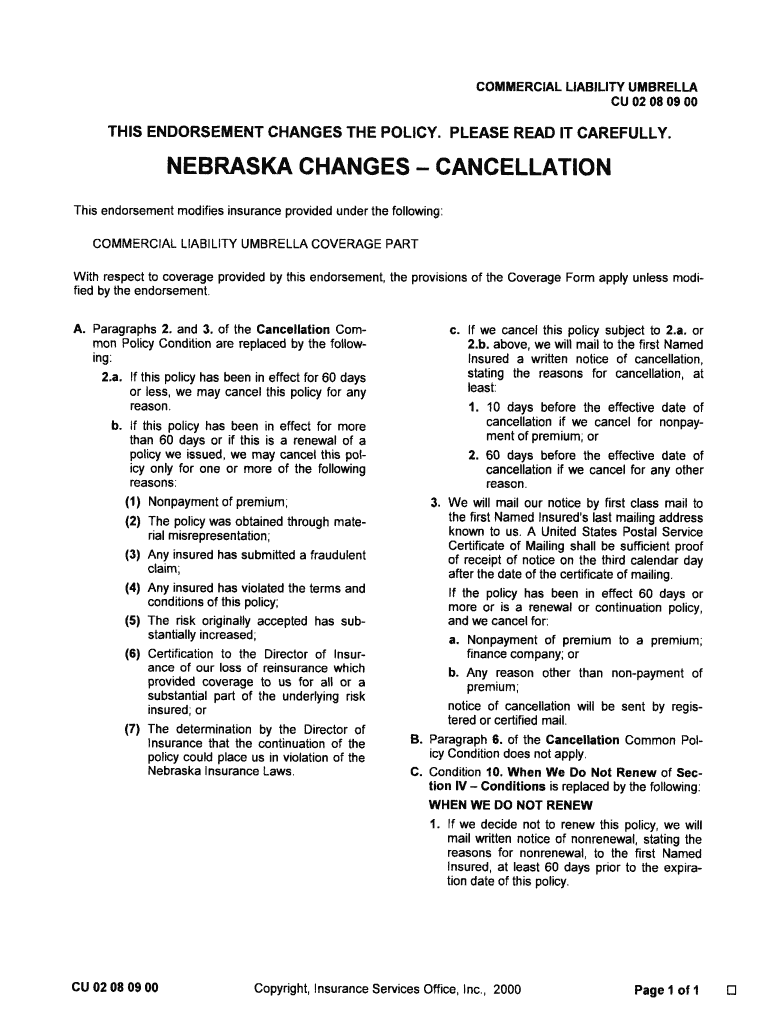







Definition & Meaning
A Commercial Liability Umbrella (CLU) policy is an insurance product that provides additional coverage beyond the limits of an insured’s existing policies, such as general liability, auto liability, and workers compensation. This type of policy acts as a safeguard against large and potentially ruinous lawsuits or claims. It serves as a secondary layer of protection, offering additional financial security to businesses and individuals faced with significant liability exposure. This umbrella policy is particularly beneficial in covering unforeseen damages or legal claims that surpass standard policy caps.
How to Use the Commercial Liability Umbrella
The Commercial Liability Umbrella is used primarily as a comprehensive protective layer when primary liability insurance limits are exceeded. For example, if a business experiences a lawsuit where the damages awarded are beyond the primary policy limit, the CLU can cover the shortfall. Organizations should ensure that the umbrella policy is coordinated with existing insurance policies to ensure seamless coverage without overlap or gaps. Additionally, businesses often specify coverage requirements within contracts, utilizing the CLU to satisfy these agreements.
Eligibility Criteria
To qualify for a Commercial Liability Umbrella, an entity must first have the requisite underlying insurance policies. These typically include general liability, commercial auto, and workers' compensation insurance. The insurance provider assesses the applicant's risk exposure, industry type, and claims history before coverage is granted. Businesses that demonstrate effective risk management practices, such as safety protocols and employee training, may find it easier to obtain coverage or receive more favorable terms.


Key Elements of the Commercial Liability Umbrella
Essential features of a commercial liability umbrella policy include its coverage limit, underlying requirements, and the scope of protection offered:
- Coverage Limit: The financial cap that the umbrella insurance will cover beyond primary insurance.
- Underlying Requirements: Specifies minimum coverage levels that primary policies must maintain for the umbrella policy to be valid.
- Scope of Protection: Extends over various liabilities such as bodily injury, property damage, and personal risk.
Understanding these elements is vital for effective insurance planning, allowing businesses to align their coverage with potential exposure.
State-Specific Rules for the Commercial Liability Umbrella
While generally consistent across the United States, certain variations exist due to state regulations on insurance practices:
- Virginia: Requires insurers to provide a clear outline of coverage exclusions and underlying policy requirements.
- California: Enforces stricter disclosure regulations regarding the financial health of insurers offering umbrella policies.
- Florida: Mandates that policies clearly articulate the conditions for claim applicability and any exclusions.
It is crucial to consult with a local insurance advisor to understand the subtleties of state regulations impacting CLU policies.
Legal Use of the Commercial Liability Umbrella
Commercial liability umbrella policies are legally utilized to mitigate the financial impact of significant claims, ensuring entities remain solvent during litigation. Lawyers often recommend keeping these policies updated in accordance with evolving business practices and changes in the underlying insurance. CLU policies are instrumental in legal defense strategies, potentially reducing litigation costs by providing funds for settlements or legal fees beyond primary insurance limits.
Examples of Using the Commercial Liability Umbrella
Practical scenarios highlight the value of CLU policies:
- Construction Business: A worker is severely injured on-site, and the damages exceed the workers' compensation limits; the CLU covers the excess.
- Retail Chain: A customer injury lawsuit awards $3 million in damages, surpassing the general liability cap—here, the umbrella policy steps in.
- Tech Company: Experiences a data breach leading to extensive litigation costs; the CLU provides financial support beyond initial policy limits.
These examples demonstrate the policy’s utility in diverse business environments, emphasizing the need for adequate coverage.
Steps to Complete the Commercial Liability Umbrella
Completing steps for acquiring a Commercial Liability Umbrella policy involves:
- Assess Insurance Needs: Evaluate exposure to determine the necessary coverage level.
- Review Current Policies: Ensure they meet the minimum requirements for the CLU.
- Consult with an Insurance Professional: Obtain advice tailored to specific industry risks and regulatory landscapes.
- Request Quotes: Seek several quotes from reputable insurers to compare pricing and coverage options.
- Submit Application: Complete the insurer's application form, providing necessary documentation (e.g., current insurance details, business financials).
- Evaluation by Insurer: The provider assesses risk, terms, and premiums before issuing the policy.
Understanding these procedures facilitates seamless acquisition of an umbrella policy, securing essential coverage efficiently.
Penalties for Non-Compliance
Failure to maintain a Commercial Liability Umbrella policy when required can lead to:
- Contractual Breach: Businesses might face consequences for not meeting contractually obligated insurance levels.
- Financial Penalties: Government-imposed fines or penalties for uninsured liabilities exceeding legal obligations.
- Increased Risk: Exposure to significant financial loss in the event of a claim or lawsuit that exceeds existing policy limits.
To mitigate these risks, it is imperative to regularly review and update insurance coverages to align with contractual and regulatory requirements.




