Definition and Meaning of Medication Prior Authorization
Medication prior authorization is a process used in the healthcare system to ensure that certain medications are prescribed appropriately and cost-effectively. It involves a review by the prescriber and often requires approval from a third party, such as an insurance company, before the medication can be dispensed. This process aims to confirm that the prescribed medication is necessary based on the patient's medical condition, ensuring optimal treatment outcomes and cost controls.
How to Use the Medication Prior Authorization Form
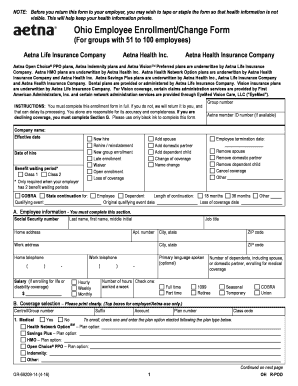
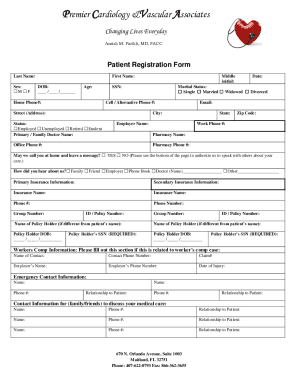
The Medication Prior Authorization Form is an essential tool used by prescribers to request approval for medications requiring authorization. To properly utilize this form, prescribers must accurately complete all sections, detailing the patient's pertinent medical history, the prescribed medication, and the specific diagnosis. This documentation supports the need for the medication, helping the review process by providing comprehensive information about the patient's treatment plan and medical necessity.
Steps to Complete the Medication Prior Authorization Form
- Patient Information: Include the patient's name, address, date of birth, and insurance details to ensure the information is linked to the correct individual.
- Prescriber Details: Provide the prescriber’s name, contact information, and medical credentials, confirming that the request is made by a licensed medical professional.
- Medication and Diagnosis Information: Clearly state the medication name, dosage, and relevant medical diagnosis. Include past treatments and justification for the requested medication.
- Supporting Documentation: Attach necessary medical records or notes that justify the need for the medication, illustrating previous unsuccessful treatments or special conditions.
- Submission: Complete a final review of the form for accuracy and submit it to the insurance provider or third-party reviewer. Ensure compliance with submission guidelines, whether online or via fax.
Why Medication Prior Authorization is Necessary
Medication prior authorization serves several critical roles in healthcare:
- It helps prevent over-prescribing and misuse of pharmaceuticals by verifying medical necessity.
- It supports cost control by ensuring that prescribed medications are covered under the patient’s insurance plan and are the most economical option available.
- It aids in coordinated care by encouraging functional communication between healthcare providers and payers, aligning treatment options with coverage policies.
Key Elements of the Medication Prior Authorization Form
- Patient and Prescriber Information: Sections dedicated to capturing detailed personal and professional information, enabling precise identification and communication.
- Medication Details: Fields that specify the medication name, dosage, frequency, and duration of treatment, providing a clear overview of the proposed therapy.
- Clinical Review Section: A critical area for outlining the patient’s medical history and treatment rationale, emphasizing the necessity and intended benefits of the requested medication.
Important Terms Related to Medication Prior Authorization
- Utilization Management: A process used by health insurers to determine the appropriateness of treatments.
- Formulary: A list of medications covered by an insurance policy, usually detailing preferred brands and alternatives.
- Step Therapy: A protocol that requires trying less expensive or safer treatment options before a more costly or riskier medication is approved.
Legal Use of the Medication Prior Authorization
The form is used legally to comply with insurance requirements, ensuring prescribed medications align with policy coverage. By completing this form, prescribers and patients both adhere to established healthcare regulations, such as the Health Insurance Portability and Accountability Act (HIPAA) that protect patient information, thus maintaining confidentiality and security in the process.
Form Submission Methods
- Online Submission: Many providers offer electronic submission through secure healthcare portals, facilitating quicker processing times.
- Fax Submission: Traditional faxing is still widely used for its reliability and established presence in medical practice workflows.
- In-person or Mail: Forms can also be completed and submitted via mail or hand-delivered to the relevant office to ensure receipt.
Application Process and Approval Time
The process typically involves submitting the form and awaiting the review and decision from the insurance provider or governing body. The approval time can vary, depending on the provider and complexity of the request, ranging from a few hours to several business days. To expedite the process, ensure all required fields and documentation are accurately completed and included in the initial submission.