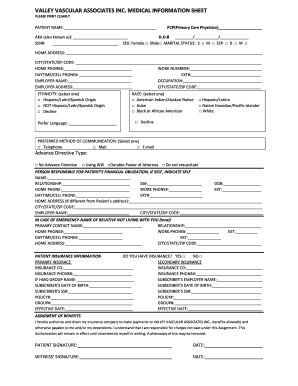
Definition and Purpose of the Scope of Appointment Form
The Scope of Appointment Form is a critical document required by the Centers for Medicare and Medicaid Services. This form serves to document the specific topics that agents will discuss with Medicare beneficiaries or their representatives during a sales meeting. The primary purpose of the form is to ensure transparency and protect the privacy of the beneficiaries by clearly defining the scope of the discussion. By doing so, it safeguards against unsolicited sales pitches and guarantees that meetings remain focused on pre-agreed topics such as stand-alone prescription drug plans or different types of Medicare Advantage plans. Importantly, the form clarifies for the beneficiary that signing it does not obligate them to enroll in any plan, underscoring its role as a planning tool rather than a commitment.
Key Elements of the Scope of Appointment Form
The effectiveness of the Scope of Appointment Form lies in its detailed structure, which ensures all necessary information is captured. Key elements include:
- Agent Information: This section captures the agent's name, contact details, and the agency they represent. It ensures accountability and provides a point of contact for the beneficiary.
- Beneficiary Details: Includes the beneficiary’s name and date of the appointment, affirming the specifics of the meeting for clear records.
- Topics for Discussion: Lists out specific topics like Medicare Advantage plans and stand-alone prescription drug plans. This part ensures that both parties are clear on the scope of the discussion, thus maintaining focus.
- Signatures: Both the agent and the beneficiary (or their representative) sign the form. The signatures verify agreement on the meeting’s focus and acknowledge understanding of the terms.
- Date of Signature: This final element records when the agreement was reached, essential for record-keeping and compliance.
Steps to Complete the Scope of Appointment Form
Successfully filling out the Scope of Appointment Form requires a step-by-step approach:
- Collect Information: Start by gathering the necessary details for both the agent and the beneficiary. Ensure that all contact information is current and correctly spelled.
- Specify Topics: Clearly define the scope of the meeting by selecting relevant topics from the form’s list. This step is crucial for compliance and maintaining the meeting's focus.
- Explain the Form: It’s important for agents to explain the form’s purpose to the beneficiary, emphasizing that signing does not commit them to any plan.
- Review and Adjust: Before signing, review the completed form with the beneficiary to confirm all details are correct. Make any needed adjustments to align with the beneficiary’s needs.
- Sign and Date: Obtain the necessary signatures and dates to finalize the form, ensuring both parties have a copy for their records.
Importance of Using a Scope of Appointment Form
Using the Scope of Appointment Form is essential for several reasons:
- Compliance: It fulfills a legal requirement set by the Centers for Medicare and Medicaid Services, crucial for avoiding penalties.
- Transparency: Establishes a clear understanding between the agent and beneficiary about what will be discussed, promoting trust.
- Protection: Safeguards the beneficiary from potential unsolicited sales pitches or misleading information.
- Focus: Keeps the meeting focused and efficient, addressing only the pre-agreed topics.
Who Typically Uses the Scope of Appointment Form
The form is primarily used by:
- Insurance Agents: Especially those offering Medicare products, it is a staple in their work to ensure clear communication and adherence to regulations.
- Medicare Beneficiaries: Or their representatives, who benefit from knowing exactly what will be covered in a meeting and protecting their interests.
- Health Insurance Companies: Who require their agents to uphold transparency and integrity when interacting with potential clients.


Legal Use and Compliance
The Scope of Appointment Form is a legal document that aligns with U.S. regulations on Medicare-related sales activities. It is designed to comply with privacy and anti-fraud regulations, specifically protecting seniors from unscrupulous sales tactics. Non-compliance with the correct use of this form can lead to fines and penalties for the agents and companies involved. It is integral to maintain accurate records and adherence to the protocols associated with these forms to meet legal obligations.
Digital vs. Paper Versions
With the advances in technology, the Scope of Appointment Form is available in both digital and paper formats, each with its merits:
- Digital: Easily accessible, can be completed electronically via platforms like DocHub, offering convenience and environmental benefits.
- Paper: Useful in situations where digital access is limited or for individuals who prefer traditional documentation methods.
Both versions require the same level of detail and compliance, but the digital version allows for easier storage, retrieval, and sharing.
Examples and Practical Scenarios
Consider Jane, an independent insurance agent serving Medicare clients in Florida. Before her meetings, she uses the Scope of Appointment Form to specify that she will discuss Medicare Advantage plans and supplemental insurance options. This ensures all discussions remain compliant and that her clients are comfortable with the meeting's agenda.
Another example is Alan, a Medicare beneficiary, who receives a call from his insurance agent. By completing the form, Alan ensures that the meeting stays on topic, safeguarding his rights and confirming that he's only engaging in discussions he's prepared for.
State-Specific Considerations
While the Scope of Appointment Form is a federal requirement, certain states might have additional regulations or guidelines that impact its use. Insurance agents should stay informed about any state-specific rules to ensure full compliance. This may involve particular reporting requirements or adaptations in how the form is presented and filed.
Penalties for Non-Compliance
Failing to properly use or maintain a Scope of Appointment Form can lead to significant consequences, including fines, loss of licensure, and legal actions. Agents must rigorously follow the required processes to avoid these outcomes. Proper training and regular audits can help mitigate the risk of non-compliance.
In summary, the Scope of Appointment Form is a vital tool in Medicare discussions, offering protection, transparency, and compliance, key for both agents and beneficiaries.