







Definition and Meaning
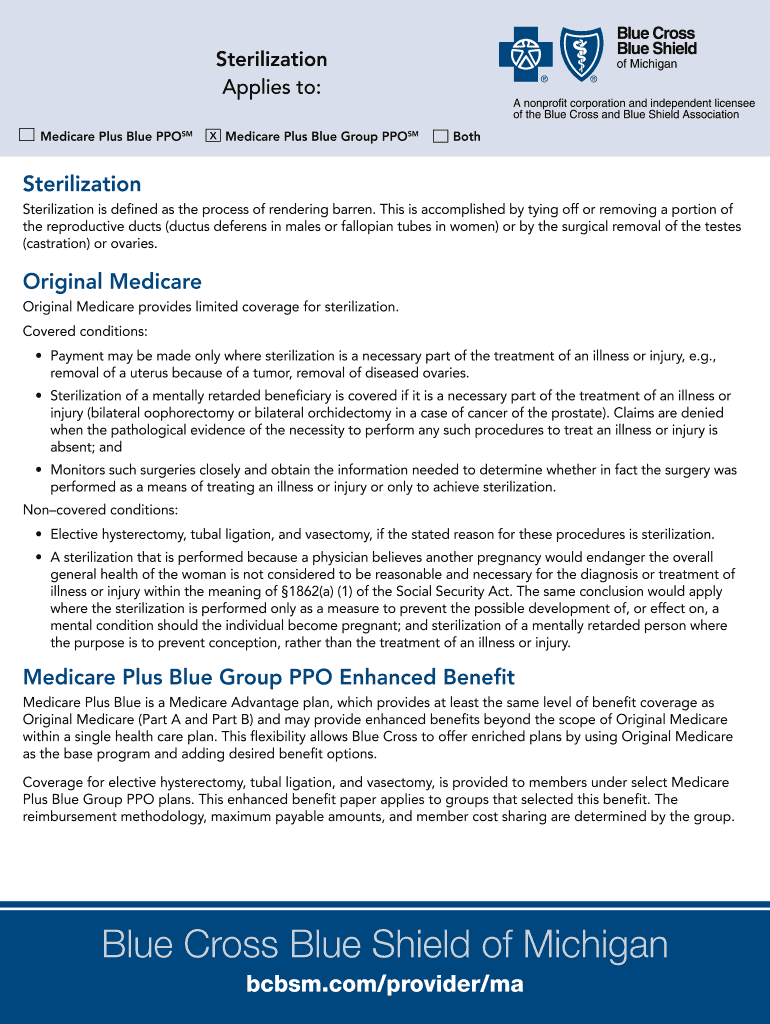
Sterilization is defined as the process of rendering barren. This definition is primarily used in medical and biological contexts, particularly concerning procedures designed to eliminate the capability of an organism to reproduce. In a broader sense, sterilization can refer to any method that results in an entity becoming unable to function or produce as intended. For example, in agriculture, certain processes can sterilize soil to prevent plant growth, while in medical practices, sterilization ensures that surgical instruments are devoid of microbial life.
Examples in Medical Use
-
Surgical Sterilization: Methods like vasectomy and tubal ligation. These procedures are considered permanent forms of birth control, effectively rendering individuals sterile.
-
Device Sterilization: Surgical instruments require sterilization to prevent infection. Autoclaves are commonly used to achieve this by using high-pressure steam to kill all forms of microbial life.
Broader Applications
-
Industrial Use: Sterilization processes are used in manufacturing settings to ensure products are free from contaminants.
-
Agricultural Context: Techniques to manage and control plant populations through soil sterilization.
Key Elements of the Sterilization Process
Understanding sterilization involves recognizing the fundamental components that contribute to its effectiveness. These consist of various methods, conditions, and applications aimed at complete sterility.
Methods of Sterilization
-
Heat Sterilization: Utilizes high temperatures to destroy all living microorganisms. This includes both dry heat methods (ovens) and moist heat methods (autoclaves).
-
Chemical Sterilization: Involves using chemicals like ethylene oxide or hydrogen peroxide gas plasma to eradicate microbial presence.
-
Radiation Sterilization: Employs gamma rays, electron beams, or X-rays to sterilize materials, often used for medical devices and pharmaceuticals.
Conditions Required
-
Temperature and Pressure: Essential in heat-based sterilization, where specific parameters must be met for effectiveness.
-
Concentration and Exposure Time: Crucial in chemical sterilization to ensure that the intended outcome is achieved without compromising the material's integrity.
Importance and Benefits of Sterilization
Sterilization holds significant importance in various fields due to the numerous benefits it provides. The process ensures safety, efficiency, and compliance in many applications.
Medical Safety
-
Prevention of Infection: By sterilizing surgical instruments, the risk of postoperative infections is significantly reduced, ensuring patient safety.
-
Vaccine Production: Sterilization ensures that vaccines are free from contamination, maintaining their efficacy and safety for public health.
Industrial and Consumer Benefits
-
Product Quality: In the food industry, sterilization keeps products free from bacteria, extending shelf life and ensuring consumer safety.
-
Compliance with Standards: Many industries are required to comply with strict sterilization standards to avoid legal and health-related repercussions.
Steps to Complete Effective Sterilization
For successful sterilization, especially in medical and industrial settings, specific steps must be followed to achieve the desired results.
-
Preparation: Identify the items that need sterilization and choose an appropriate method based on material compatibility.
-
Cleaning: Thoroughly clean items to remove any surface debris or organic matter that might interfere with the sterilization process.
-
Selection of Method: Choose a suitable sterilization method (heat, chemical, radiation) considering the nature of the items and the type of microorganisms involved.
-
Execution: Follow the established protocols, such as setting correct temperature and pressure for autoclaving, or correct concentration and exposure time for chemical sterilization.
-
Monitoring and Validation: Utilize biological indicators or chemical indicators to verify that sterilization parameters have been achieved.
-
Documentation: Record the sterilization process, including methods used and results, for compliance and future reference.
Legal Use and Compliance
Legal considerations play a crucial role in the application of sterilization methods, particularly in regulated sectors.
Compliance with Health Regulations
-
FDA Standards: In the U.S., the Food and Drug Administration sets forth guidelines for sterilization processes in the manufacture of medical devices.
-
OSHA Guidelines: The Occupational Safety and Health Administration requires compliance with safety protocols during sterilization to protect workers from hazardous exposure.
Liability and Documentation
-
Record-Keeping: Proper documentation of sterilization processes is legally required to ensure traceability and accountability, especially in healthcare and food industries.
-
Failure to Comply: Non-compliance can result in legal penalties, including fines and sanctions, and potentially compromise safety and product integrity.
Important Terms Related to Sterilization
Understanding sterilization involves familiarizing oneself with terms that describe the process and its applications. This is crucial for ensuring clarity and precision in its usage.
Key Terminologies
-
Asepsis: The state of being free from disease-causing organisms, often used interchangeably with sterility.
-
Disinfection vs. Sterilization: Disinfection eliminates many or all pathogenic microorganisms, except bacterial spores, while sterilization destroys all forms of microbial life.
-
Bioburden: Refers to the number of bacteria living on a surface that has not been sterilized.
Variations and Exceptions
-
Partial Sterilization: In certain cases, complete sterilization is impractical, and a reduction in viable microorganisms to safe levels is achieved instead.
-
Material Sensitivity: Some materials might not withstand certain sterilization techniques, requiring alternative methods or modifications.
Real-World Scenarios and Examples
Practical examples and case studies illustrate how sterilization principles are applied effectively across different contexts.
Medical Case Studies
-
Surgical Center Protocols: How compliance with sterilization protocols prevented an outbreak of surgical site infections in a hospital.
-
Vaccination Storage: The role of sterilization in maintaining vaccine potency and preventing contamination during distribution.
Industrial Applications
-
Food Packaging: Using radiation sterilization to maintain food safety standards and extend the shelf life of perishable items.
-
Pharmaceutical Manufacturing: Case highlighting the importance of steam sterilization in the preparation of sterile injectable drugs.
Incorporating these detailed block sections ensures comprehensive coverage and understanding of sterilization as a process, reflecting its importance and application in various fields.




