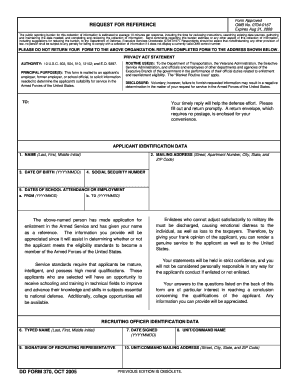
Key Elements of the Rental Application
A rental application collects essential information from potential tenants to evaluate their suitability for a rental property. This document typically includes:
- Personal Information: Applicants provide their full name, date of birth, Social Security number, and contact information. This data helps landlords identify and perform background checks on prospective tenants.
- Employment and Income Details: Applicants are asked to disclose their current employer, job title, and salary. This information is crucial for landlords to assess the applicant's financial stability and ability to pay rent on time.
- Rental History: Past rental experiences, including previous addresses, landlords' contact details, and reasons for leaving, are included. A positive rental history is a strong indicator of reliable tenancy.
- References: Personal and professional references are often required to vouch for the applicant's character and reliability. Contact details for these references are important for landlords to verify.
- Co-Applicant Information: If applicable, details of a co-applicant, such as a roommate or partner, must be provided. Both parties are usually evaluated together in terms of suitability.
Steps to Complete the Rental Application
Completing a rental application involves a systematic process to ensure all relevant details are accurately captured:
- Gather Necessary Information: Before starting, ensure you have all needed documents and information, such as identification, pay stubs, and reference contacts.
- Fill Out Personal Details: Enter your personal information, including full name, birth date, and current address. Ensure accuracy to avoid delays in processing.
- Provide Employment Information: Include your current employment details and income. Attach recent pay stubs or proof of income, if required.
- List Rental History: Accurately record your past rental experiences and provide contact details for former landlords.
- Add References: Include at least two references who can speak to your character and reliability. Ensure their contact information is current.
- Review and Submit: Double-check all entries for accuracy, then submit the application according to the property manager's instructions, whether online, by mail, or in person.
Importance of the Rental Application
Renting a property is a significant responsibility, and the rental application ensures that potential tenants are thoroughly vetted. Highlights of its importance include:
- Screening Tenants: The application helps landlords screen prospective tenants, reducing the risk of property damage or rental payment issues.
- Verification of Applicant Claims: Through employment and rental history checks, landlords can verify an applicant's claims about their financial stability and tenancy history.
- Legal Framework: A completed rental application forms part of the legal tenant-landlord agreement, providing a basis for any future disputes related to tenancy terms.
Who Typically Uses the Rental Application
Rental applications are primarily used by:
- Individual Landlords: They rely on these forms to gather key information about their potential tenants, simplifying the selection process.
- Property Management Companies: Large firms use rental applications to maintain consistent and efficient tenant evaluation processes across multiple properties.
- Tenants: Prospective tenants use these applications to express interest in a rental property and initiate formal communication with landlords.


Legal Use of the Rental Application
The use of rental applications in the U.S. is governed by various federal and state laws to ensure fairness and privacy:
- Fair Housing Act Compliance: Applications must avoid discrimination based on race, color, national origin, religion, sex, familial status, or disability.
- Privacy Laws: Personal information collected must be protected under privacy laws, prohibiting misuse or unauthorized sharing of an applicant’s data.
- Truth-in-Renting Laws: These regulations require accurate representation of property details and landlord-tenant obligations in application materials.
State-Specific Rules for the Rental Application
Rental application rules can vary significantly by state within the U.S., impacting how applications are structured and processed:
- Security Deposit Limits: States like California and New York have laws that cap the amount landlords can collect as a security deposit.
- Application Fees: Some states have regulations capping or banning application fees. For example, Wisconsin limits the maximum chargeable amount.
- Disclosure Requirements: States may mandate specific disclosures related to property conditions or local ordinances that must be included in the application.
Digital vs. Paper Version of the Rental Application
Modern rental applications can be completed either digitally or on paper, each offering distinct advantages:
- Digital Applications: These offer ease of access and convenience, as they can be completed and submitted online. Platforms like DocHub streamline the process, allowing applicants to fill out forms on any device and quickly upload supporting documents.
- Paper Applications: Preferred by some landlords for record-keeping purposes or in areas where digital access is limited, ensuring inclusivity for all potential applicants.
Software Compatibility with Rental Applications
Certain software applications can enhance the rental application process:
- DocHub: Integrates seamlessly with cloud storage services like Google Drive, allowing users to fill out and sign applications online. DocHub's annotation and collaboration tools ensure accuracy and efficiency.
- Cloud Storage Services: Enable tenants to store and access required documentation quickly and securely.
- Electronic Signature Platforms: Facilitate the legal signing of rental agreements, maintaining compliance with the ESIGN Act for digital transactions.
By understanding the rental application process, its legal aspects, and modern tools that can assist in efficient completion, both landlords and tenants can engage in more secure and informed rental transactions.