



01. Edit your free estate executor spreadsheet online
Type text, add images, blackout confidential details, add comments, highlights and more.

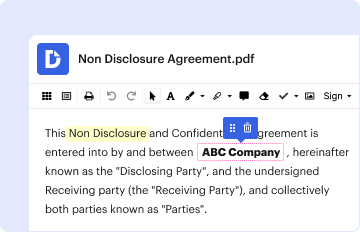
Type text, add images, blackout confidential details, add comments, highlights and more.
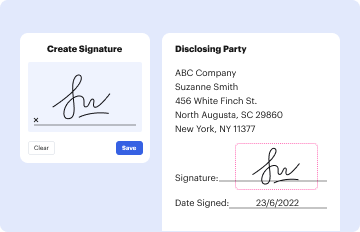
Draw your signature, type it, upload its image, or use your mobile device as a signature pad.

Send free estate executor spreadsheet template via email, link, or fax. You can also download it, export it or print it out.
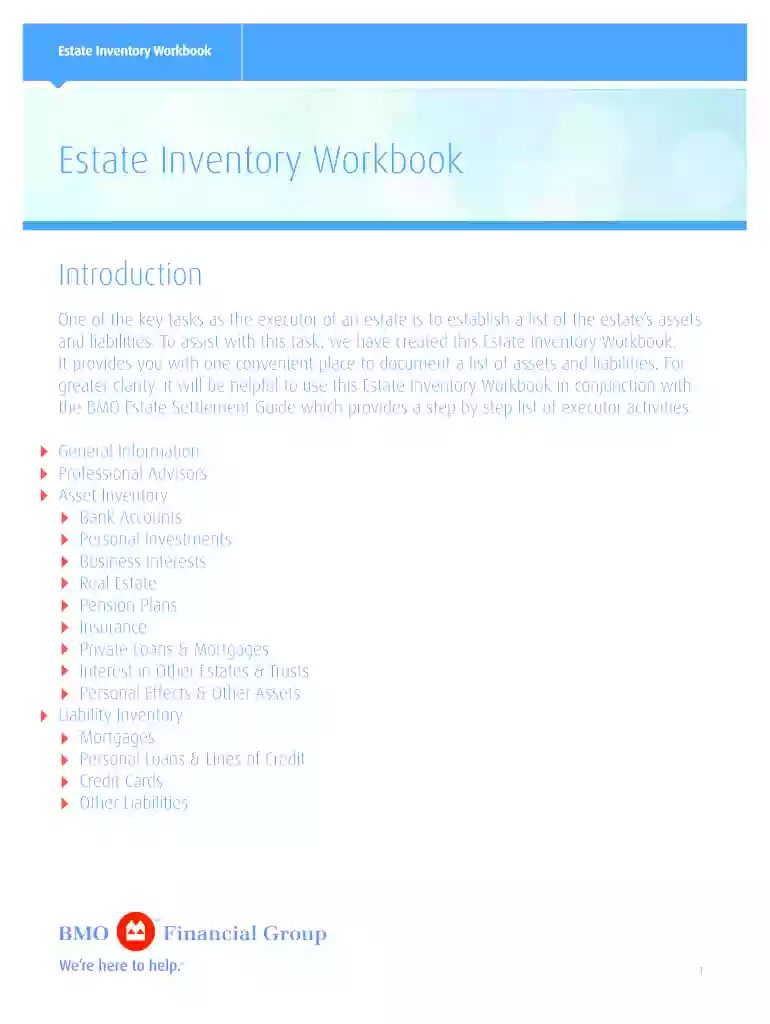
The estate planning inventory form is a comprehensive tool used to document and assess all assets and liabilities of an individual's estate. This form plays a crucial role in the estate administration process, helping executors, administrators, and heirs manage the deceased's assets efficiently. The inventory includes various types of assets such as real estate, bank accounts, and personal belongings, as well as liabilities like mortgages and loans. By systematically organizing this information, the form ensures a clear understanding of the estate's value and obligations, which is essential for settling debts and distributing assets appropriately among beneficiaries.
Understanding what constitutes an asset in this context is vital. It encompasses tangible items like real estate, vehicles, jewelry, and personal effects, as well as intangible items such as stocks, bonds, and digital assets. Liabilities, on the other hand, consist of amounts owed to creditors, including outstanding loans and any other debts that the deceased may have had at the time of passing. Knowing how to accurately fill out the estate planning inventory form can assist executors in making informed decisions, ultimately facilitating a smoother estate settlement.
Several essential elements make up the estate planning inventory form, each critical for a comprehensive overview of an estate's financial situation. Key components include:
Collecting this data systematically ensures that nothing is overlooked in the estate settlement process, thereby simplifying the distribution of assets to beneficiaries.
Completing the estate planning inventory form involves a structured approach that ensures accuracy and thoroughness. The steps to follow include:
Gather Documentation: Collect all necessary documents, such as property deeds, bank statements, account statements, and any relevant financial records. Ensuring all evidence is at hand is crucial for accurate reporting.
Identify and Categorize Assets: Create a comprehensive list of assets and group them into defined categories. Make sure to include:
Assess and Record Values: For each asset, determine its fair market value. This may involve appraisals for significant assets like real estate and antiques. Ensure that you document this information clearly next to each asset.
List Liabilities: Document all outstanding debts, assigning values to each. This includes any mortgages, loans, or credit card debts that were present at the time of death.
Complete the Form: Carefully transfer this information into the estate planning inventory form. Review it meticulously to ensure that no details are missing or incorrect.
Seek Professional Guidance: If there is uncertainty during completion, consulting with an estate attorney or financial advisor can provide valuable insight and accuracy.
Following these steps can help ensure that the estate planning inventory form is completed thoroughly, ultimately facilitating a smoother execution of the estate.
The estate planning inventory form has a variety of users, each with distinct needs related to estate management and administration. Primary users include:
Estates Executors and Administrators: Those appointed to handle the affairs of a deceased individual often use this form to gain clarity on assets and liabilities. This helps in managing the estate and fulfilling their fiduciary responsibilities.
Family Members and Heirs: Beneficiaries of the estate may utilize the form to understand the estate's value, which can aid in discussions about asset distribution and settlement.
Legal and Financial Professionals: Estate planners, attorneys, and accountants often rely on the information collated in the estate planning inventory form to provide informed counsel regarding estate management and tax implications.
Estate Sale Professionals: These professionals may need the form to assess the value of personal property to be sold, helping determine pricing strategies.
Having a thorough understanding of the intended users of the estate planning inventory form ensures that all relevant parties are equipped to make informed decisions about the administration of the estate.


Legal considerations regarding the estate planning inventory form are significant in the context of estate administration. Properly executing this form can have several legal implications:
Estate Valuation: Accurately documented asset and liability information is necessary for the valuation of the estate. This can impact tax liabilities and distribution of assets among beneficiaries.
Compliance with State Laws: Different states have varying laws governing estate administration. The estate planning inventory form helps ensure compliance with these laws, aiding executors in fulfilling their legal obligations.
Documentation in Probate Court: When the estate enters probate, the court requires a comprehensive overview of the estate's assets and liabilities. The inventory form serves as a legal document that provides this critical information.
Protection Against Legal Disputes: A well-documented inventory reduces the likelihood of disputes among heirs and beneficiaries. By clearly showing what assets exist and how they are valued, it establishes transparency in the distribution process.
By ensuring legal accuracy and compliance with the relevant regulations through the estate planning inventory form, executors and administrators are well-positioned to navigate the complexities of estate administration effectively.
At DocHub, your data security is our priority. We follow HIPAA, SOC2, GDPR, and other standards, so you can work on your documents with confidence.
The Estate Inventory Form is a complementary tool to guide estate planning. Enter basic information on this form and provide it to your.Read more
Make a list of everything the person owns. They may have papers or records that show what they own. For example: Title to a car; Deed to any real estateRead more


