






Definition and Purpose of EMG and Nerve Conduction Studies
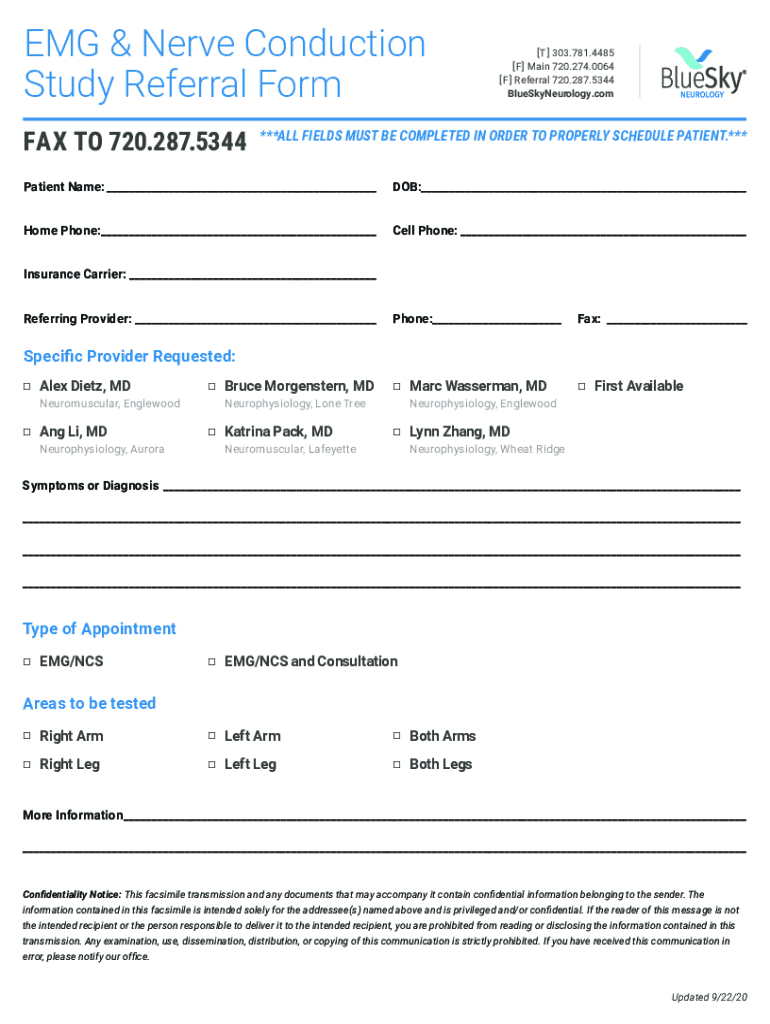
Electromyography (EMG) and Nerve Conduction Studies (NCS) are diagnostic tools used to assess the electrical activity in muscles and the conduction of signals through nerves. These procedures help diagnose conditions related to muscle and nerve dysfunction, such as neuropathies, myopathies, radiculopathies, and other neuromuscular disorders. EMG involves inserting a fine needle electrode into a muscle to record electrical activity, while nerve conduction studies involve applying small electrical impulses to test the speed and strength of nerve signals. Together, these tests provide valuable information about the health of the peripheral nervous system.
How to Use EMG and Nerve Conduction Studies
Using EMG and NCS requires specialized training, typically conducted by neurologists or physiatrists with expertise in neurophysiology. The practitioner begins by placing electrodes on the skin overlying the muscles and nerves being tested. For EMG, a needle electrode is inserted into the muscle to record electrical activity at rest and during muscle contraction. NCS involves stimulating nerves with a mild electrical impulse, measuring how quickly and effectively the signals traverse through the nerves. The combination of these assessments helps pinpoint the location and extent of nerve or muscle damage.
Steps to Complete EMG and Nerve Conduction Studies
-
Preparation: Patients should avoid using lotions or oils on their skin before the procedure. They may need to wear loose-fitting clothing and remove any jewelry that might interfere with electrode placement.
-
Conducting the Test:
- EMG: A thin needle electrode is inserted into the muscle tissue. The patient may be asked to contract the muscle gently while the electrode records electrical activity.
- Nerve Conduction Study: Surface electrodes are applied to the skin, and small electrical pulses are delivered to the nerve. The response is recorded to assess speed and strength of the nerve signal.
-
Post-procedure: Patients can resume normal activities immediately, although some may experience mild muscle soreness from the needle insertion in an EMG.
Important Terms Related to EMG and Nerve Conduction
Understanding specific terminology is crucial for interpreting EMG and NCS results:
- Motor and Sensory Nerves: Motor nerves trigger muscle contractions, while sensory nerves relay sensory information back to the central nervous system.
- Amplitude and Latency: In NCS, amplitude refers to the strength of the response, while latency is the time it takes for the signal to travel along the nerve.
- Waveforms: Recorded electrical patterns that can indicate normal or abnormal nerve and muscle function.
- Neuropathy: A disorder affecting nerves, often resulting in weakness, numbness, or pain.
Who Typically Uses EMG and Nerve Conduction Studies
EMG and NCS are generally ordered by healthcare providers, such as neurologists, rheumatologists, or orthopedic surgeons, for patients presenting with symptoms suggestive of neuromuscular disorders. Typical users are individuals experiencing unexplained muscle weakness, tingling, pain, or numbness. Moreover, these tests are invaluable for athletes or individuals recovering from injury, where accurate diagnosis is crucial for a tailored rehabilitation program.
Key Elements of EMG and Nerve Conduction Studies
- Patient Preparation: Ensure the skin is clean and devoid of products that might hinder electrical conduction.
- Equipment Setup: Proper calibration of EMG and NCS devices is essential for accurate readings.
- Technique: Correct placement of electrodes and needle insertion is vital for precise data collection.
- Interpretation: Analysis of results should be performed by trained professionals, who can distinguish between various pathology presentations.
Legal Use of EMG and Nerve Conduction Studies
In the United States, EMG and NCS must be conducted by licensed practitioners who adhere to guidelines established by professional organizations such as the American Association of Neuromuscular & Electrodiagnostic Medicine (AANEM). Proper documentation and interpretation of results are critical for legal and insurance purposes, ensuring the diagnoses made are based on comprehensive and valid data.
State-Specific Considerations for EMG and Nerve Conduction Studies
Certain states may impose additional regulations on who can perform EMG and NCS. These can include specific certification requirements for practitioners and detailed documentation processes. It is essential for healthcare providers to be acquainted with the state-specific legislation governing electrodiagnostic studies to remain compliant with local laws.