




01. Edit your form online
Type text, add images, blackout confidential details, add comments, highlights and more.

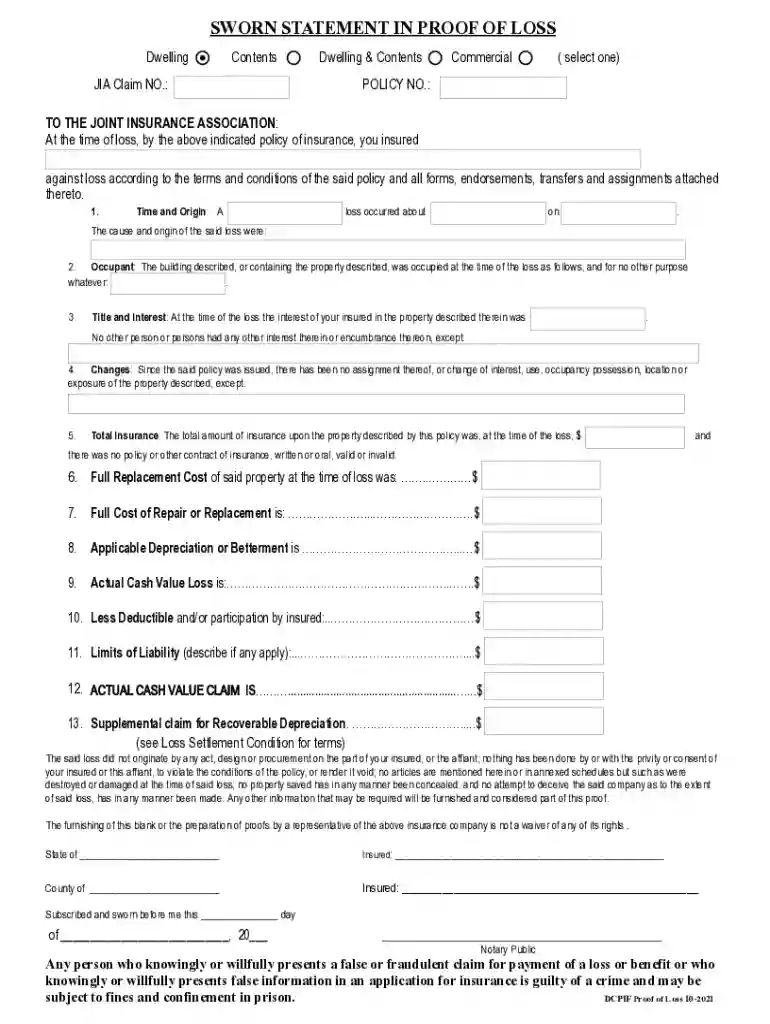
Type text, add images, blackout confidential details, add comments, highlights and more.

Draw your signature, type it, upload its image, or use your mobile device as a signature pad.

Send it via email, link, or fax. You can also download it, export it or print it out.
The Sworn Statement in Proof of Loss is a formal document used in the insurance claims process to assert and calculate the value of a loss. Typically required by insurance companies after an incident, this document must be filled out by the insured to detail the damages and the monetary compensation being claimed. The document includes specific sections for describing the loss event, the items or properties affected, the extent of the coverage, and the amount being claimed. It's a legally binding declaration, affirming under oath that the reported information is truthful and accurate.
Filing a Sworn Statement in Proof of Loss serves multiple critical purposes:
The legal implications of signing a Sworn Statement in Proof of Loss are significant. As an oath-bound document, it carries penalties for falsification or fraud. Insurance companies rely on these forms to assess the validity and extent of a claim. Consequently, inaccuracies or misrepresentations can lead to investigations and potentially invalidate a claim. In instances of dispute, this sworn statement can be used in legal proceedings as evidence of the insured's account of the loss.
The form is primarily used by insured individuals and entities that have suffered a loss covered under their insurance policy.


Though the overarching principles of using the Sworn Statement in Proof of Loss are uniform, specific states may have additional regulations or requirements. For instance, some states might mandate different time frames for submission post-loss or specific formats for notarization. Understanding these nuances ensures compliance with local insurance laws and helps avoid delays in the claims process.
At DocHub, your data security is our priority. We follow HIPAA, SOC2, GDPR, and other standards, so you can work on your documents with confidence.
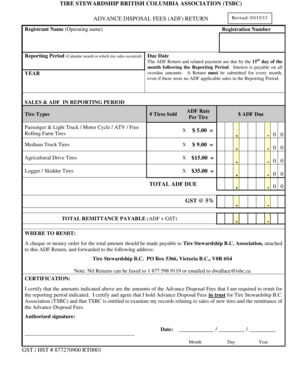
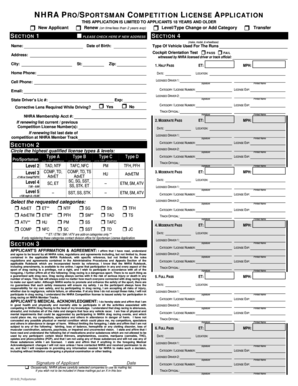
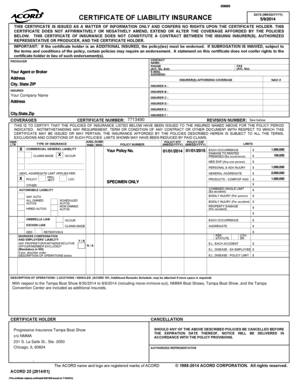
Location of loss: Date they were notified: By whom they were notified: I have other insurance on the same property in the amount of $. The name of theSee more
LOSS AND DAMAGE. Expenses. Less Deductible. Less Reductions. Less 10% Co-Payment (Maximum docHubed). Total Amount Claimed. The above Petroleum Tanks(s) was
In order to determine a percentage of fault and require security for your loss, both of the following statements must apply. A. There was more than $500 in


