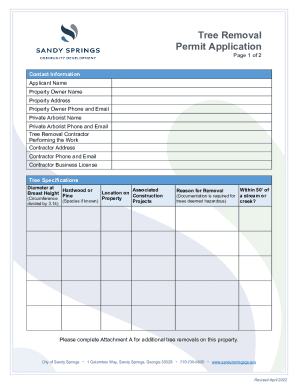
Definition and Meaning of the Application for Construction Permit
The "Application for Construction Permit" is a formal document submitted to government authorities in order to secure authorization for construction activities, especially related to onsite sewage treatment and disposal systems. This document serves as a crucial step in ensuring that construction projects adhere to relevant building codes and environmental regulations. The permit application includes comprehensive information about the proposed construction project, such as property details, planned changes, and environmental considerations.
Key Elements of the Application for Construction Permit
The application typically contains the following sections:
- Property Information: Details about the location, ownership, and boundaries of the property where construction is planned.
- Water Supply and Sewer Availability: Information on existing water supply systems and sewer connections or the need for new installations.
- Building Information: Description of the proposed buildings, including size, purpose, and construction materials.
- Required Attachments: Necessary documents like site plans, engineering reports, and technical specifications.
How to Use the Application for Construction Permit
Using the application involves understanding and completing each required section accurately:
- Gather Information: Before starting the application, collect all necessary information, such as property details and building plans.
- Complete Sections: Fill in each section of the application form with precision. It's crucial to ensure that all information provided is current and accurate.
- Attach Documents: Include all required attachments, such as site plans and engineering diagrams, to provide a clear overview of the proposed construction.
Steps to Complete the Application for Construction Permit
Completing the application involves detailed steps:
- Identify Property: Start by accurately describing the property using lot numbers and street addresses.
- Detail Building Plans: Provide specifics about the planned constructions, such as dimensions and materials.
- Ensure Compliance: Make sure your plans comply with local building codes.
- Review and Submit: Double-check all entries for accuracy before submitting the form to the relevant authorities.
Examples of Using the Application for Construction Permit
In practice, the permit is used for projects such as:
- New Building Projects: Constructing a new home or commercial building.
- System Repairs and Upgrades: Modifying existing sewage treatment systems.
- Property Developments: Developing a new residential or commercial estate.
Important Terms Related to Application for Construction Permit
Understanding the following key terms is important:
- Permit: An official document granting permission to proceed with a construction project.
- Onsite Sewage Treatment: Systems that handle waste management at the location of a building.
- Site Plan: A detailed diagram showing the layout of a construction site.
Legal Use of the Application for Construction Permit
Legally, the permit ensures that construction activities comply with:
- Building Codes: Regulations governing the construction, design, and maintenance of buildings.
- Environmental Standards: Laws protecting the environment during construction activities.
- Zoning Laws: Local regulations dictating land use in specific areas.
State-Specific Rules for the Application for Construction Permit
Regulations can vary significantly by state:
- Florida: Focuses extensively on sewage treatment systems due to its environmental conditions.
- California: Has rigorous earthquake safety regulations affecting building standards.
- Texas: Emphasizes groundwater management in permit applications.
Form Submission Methods: Online, Mail, In-Person
Submitting the form can typically be done through:
- Online Portals: Digital platforms facilitating permit submissions and tracking.
- Mail: Sending physical documents to the designated government office.
- In-Person: Hand-delivering documents to obtain immediate confirmation.
Penalties for Non-Compliance
Failure to obtain a construction permit can lead to:
- Fines and Fees: Significant monetary penalties imposed by local authorities.
- Construction Delays: Halting project progress until the necessary permits are acquired.
- Legal Action: Potential lawsuits or remediation orders from governing bodies.