






Definition & Meaning
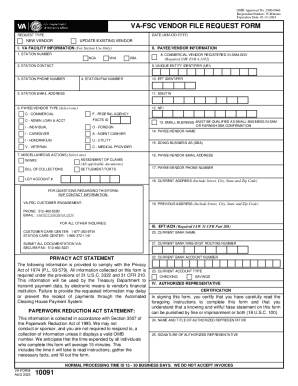
A change of address form is an official document used to update an individual's or organization's address with various entities. This form can be utilized for personal, business, or legal purposes. It is designed to ensure that all future correspondences are sent to the correct, updated address. Timely submission of this form helps maintain essential connections and avoid miscommunication.
In personal contexts, this form is often used when moving to a new residence. For businesses, it ensures that clients and service providers are aware of the current operation location. The process helps avoid any potential loss of critical mail or packages that may contain sensitive information.
How to Use the Change of Address Form
Using a change of address form involves several steps to ensure accuracy and completeness. First, obtain the most current version of the form from the relevant authority, whether it be the post office or a specific organization's website. Next, carefully fill out the required fields, including your full name, old address, and new address, ensuring all details are correct.
Specific forms may also require additional information such as your phone number or any pertinent identification details. Double-check the form before submission to prevent errors that could delay processing. Submit the form using the designated method, which might be via mail, online submission, or in-person delivery, depending on where the form originated.
Steps to Complete the Change of Address Form
-
Gather Required Information: Collect necessary details such as your old and new addresses, full name, and any pertinent identification numbers or codes.
-
Fill Out the Form: Accurately input all requested information. It is crucial to write legibly or type when possible to prevent any rejection due to unclear writing.
-
Review for Accuracy: Double-check all entries for potential errors. Ensuring the names, addresses, and dates are correct can prevent delays.
-
Submit the Form: Depending on the form type, select the proper submission method – online, via mail, or directly at an office location.
-
Confirmation and Follow-Up: After submission, monitor for a confirmation notice. This can help verify that the address change has been officially recorded.
Why Should You File a Change of Address Form
Filing a change of address form is essential for maintaining continuous and accurate communication. Without updating your address, important documents like bills, legal notices, or packages may be delivered to the wrong location, causing inconvenience or financial penalties.
For businesses, informing clients and suppliers of a new address is crucial for uninterrupted operations. Additionally, it ensures that your professional image remains intact by demonstrating efficiency and reliability. Individuals benefit from timely address changes to avoid missing any mail, which could include job offers, legal documents, or personal letters.
Key Elements of the Change of Address Form
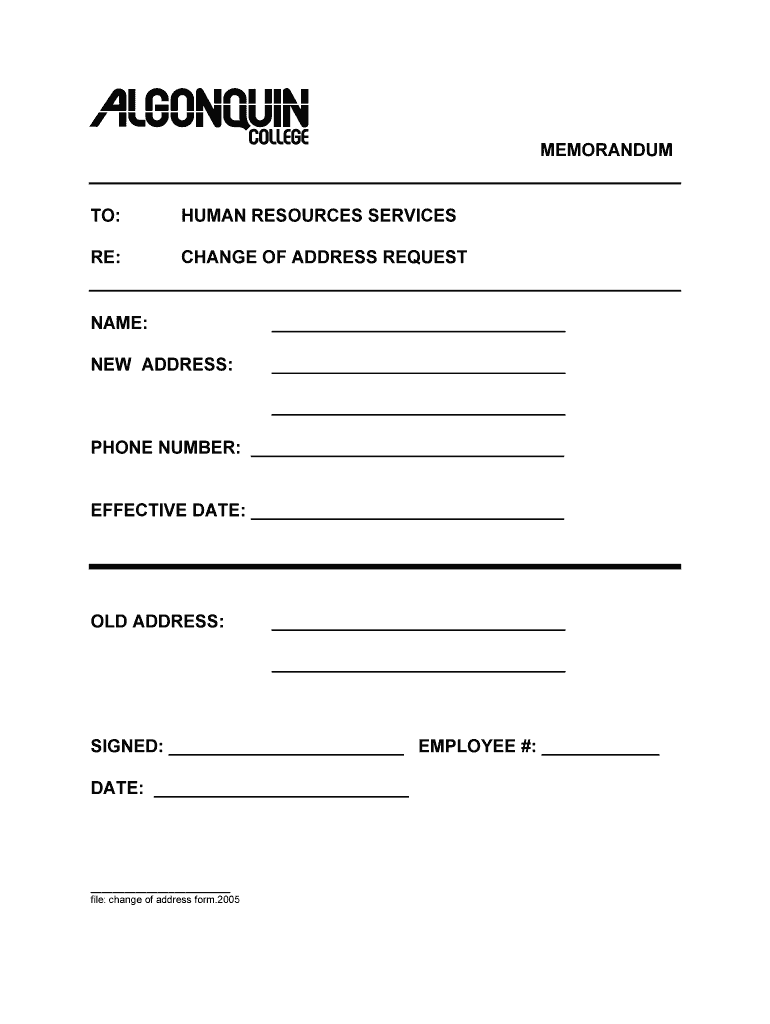
Several key elements are essential in a change of address form. These typically include:
-
Full Name: The individual's or organization’s legal name.
-
Old Address: The address currently on file that needs updating.
-
New Address: The destination where future mail and documents should be sent.
-
Contact Information: Often includes email and phone numbers for follow-up, if necessary.
-
Effective Date: When the new address should start being used for correspondence.
-
Signature: A signature line might be present for authorization purposes and validation of the information provided.
Legal Use of the Change of Address Form
Legally, completing a change of address form helps meet compliance requirements that may be stipulated by financial institutions, government bodies, or business contracts. For instance, the IRS requires accurate address records for tax documents and notifications. Similarly, failing to update an address with the DMV may lead to fines or suspension of driving privileges.
Certain documents rely on being delivered to the registered address, making the legal standing of an updated form viable in disputes where proof of notification is required. Keeping addresses current also helps avoid penalties associated with undelivered correspondence in domains like credit reporting or utility management.
Form Submission Methods
Change of address forms can generally be submitted via different channels:
-
Online Submission: Many government agencies and businesses offer an online portal for convenient submissions, which usually offers faster processing.
-
Mailing the Form: Physically mailing the completed form can be a good option when dealing with organizations not technologically equipped for online processing.
-
In-Person Delivery: Visiting an office or branch allows you to submit the form directly, which might be required for certain sensitive or formal changes. This method can provide immediate confirmation of submission.
Penalties for Non-Compliance
Failing to update your address can have several repercussions. Financial penalties may apply if legal or tax documents are not received due to an outdated address. Missing critical deadlines for utilities or financial obligations can lead to late fees, interest charges, or service discontinuation.
Situations involving licensing, such as professional or driver's licenses, might encounter additional fines or legal issues if address changes are not reported in accordance with regulatory timelines. Regularly updating your address mitigates these risks and maintains your good standing with involved entities.