






Definition and Meaning of Adverse and Beneficial
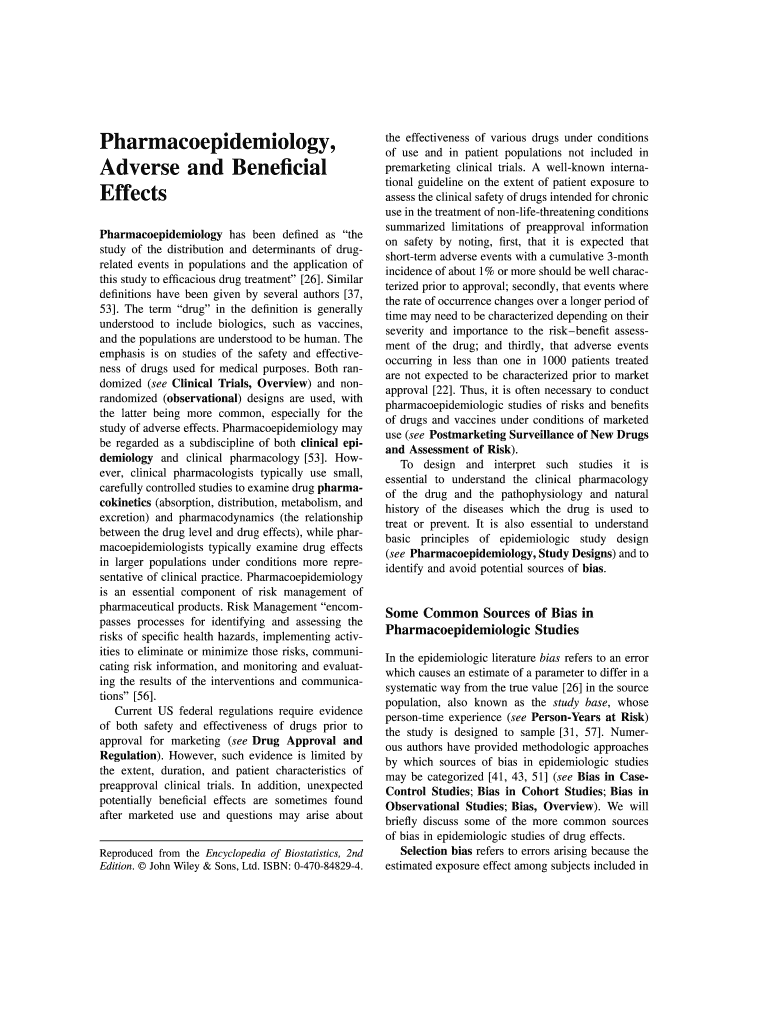
The concept of "Adverse and Beneficial" is rooted in the study of pharmacoepidemiology, where it is essential to assess the dual nature of drug effects. Adverse effects refer to the negative or harmful impacts of a drug, whereas beneficial effects denote the positive outcomes that enhance patient well-being. Understanding this dichotomy is crucial in the medical field as it guides healthcare providers in prescribing medications and managing treatments that optimize therapeutic benefits while minimizing risks.
Key Elements of the Adverse and Beneficial
Several factors contribute to the evaluation of adverse and beneficial drug effects:
- Safety and Efficacy: A thorough assessment of a drug's safety and efficacy helps determine its adverse and beneficial effects.
- Risk Management: Implementing strategies to manage risks associated with adverse effects enhances patient safety.
- Clinical Trials and Studies: Using randomized and observational studies to collect data on drug effects.
These elements ensure that healthcare professionals make informed decisions about drug prescriptions, emphasizing both intended and unintended outcomes.
How to Use the Adverse and Beneficial
Professionals in the medical and pharmaceutical sectors utilize the framework of adverse and beneficial effects to:
- Evaluate Medical Therapies: Conduct detailed analyses to weigh benefits against potential harms for patients.
- Inform Prescribing Practices: Support decision-making processes that prioritize patient safety and health outcomes.
- Develop Risk Mitigation Strategies: Create protocols that address potential adverse effects while promoting beneficial uses.
By using this framework, healthcare providers can deliver more personalized and effective care.
Who Typically Uses the Adverse and Beneficial
The primary users of this framework include:
- Healthcare Professionals: Doctors and pharmacists who prescribe and dispense medications.
- Pharmaceutical Researchers: Scientists studying new drugs and their effects on populations.
- Regulatory Authorities: Entities like the FDA overseeing drug approval processes.
Each group leverages the adverse and beneficial framework to ensure medications are safe and effective.


Legal Use of the Adverse and Beneficial
In the U.S., regulatory bodies like the FDA require comprehensive evaluations of adverse and beneficial effects as part of the drug approval process. Legal guidelines are in place to ensure that pharmaceutical companies provide:
- Accurate Data: Mandatory reporting of clinical trial results.
- Transparent Labeling: Clear information about potential adverse effects on medication packaging.
These legal frameworks protect consumers and maintain high standards in drug safety and efficacy.
Examples of Using the Adverse and Beneficial
Practical scenarios where this framework is applied include:
- Chronic Illness Management: Weighing the long-term benefits of chronic medication against possible side effects.
- Vaccination Programs: Evaluating public health benefits against the risk of rare adverse reactions.
- New Drug Development: Assessing new medications for both therapeutic potential and unforeseen adverse effects.
These examples highlight the critical role of evaluating both aspects to optimize patient outcomes.
Eligibility Criteria for Adverse and Beneficial Analyses
Determining eligibility for specific drug therapies involves assessing various criteria, such as:
- Patient Health Status: Evaluating the patient’s overall health and potential for adverse reactions.
- Therapeutic Need: Prioritizing patients who can significantly benefit from the drug.
- History of Drug Reactions: Reviewing any past adverse reactions to similar medications.
These criteria ensure that treatment decisions are made with a comprehensive understanding of potential outcomes.

State-Specific Rules for Adverse and Beneficial Evaluations
In the U.S., regulations can vary by state, impacting how adverse and beneficial assessments are conducted:
- State Health Guidelines: States may have additional requirements for reporting adverse effects.
- Medical Oversight Committees: Some states establish committees to review drug safety data.
- Pharmaceutical Formularies: State-specific formularies may dictate approved medications based on risk-benefit analyses.
Such variations reflect local health policies and priorities, emphasizing regional compliance.
Important Terms Related to Adverse and Beneficial
Understanding key terms associated with adverse and beneficial effects is vital for accurate assessments:
- Pharmacodynamics: The study of drug effects and mechanisms of action.
- Pharmacokinetics: How the body absorbs, distributes, metabolizes, and excretes drugs.
- Type A and B Reactions: Classifications of predictable and unpredictable adverse drug reactions.
Familiarity with these terms aids in comprehensive pharmacoepidemiological evaluations.
Steps to Complete the Adverse and Beneficial Analysis
Professionals conduct thorough analyses following these steps:
- Collect Data: Gather information from clinical trials and real-world patient experiences.
- Analyze Findings: Evaluate both the positive and negative effects of the drug.
- Report Results: Document comprehensive analyses for review by regulatory authorities.
These steps ensure meticulous evaluation, necessary for safe and effective medical practices.