






Definition & Meaning
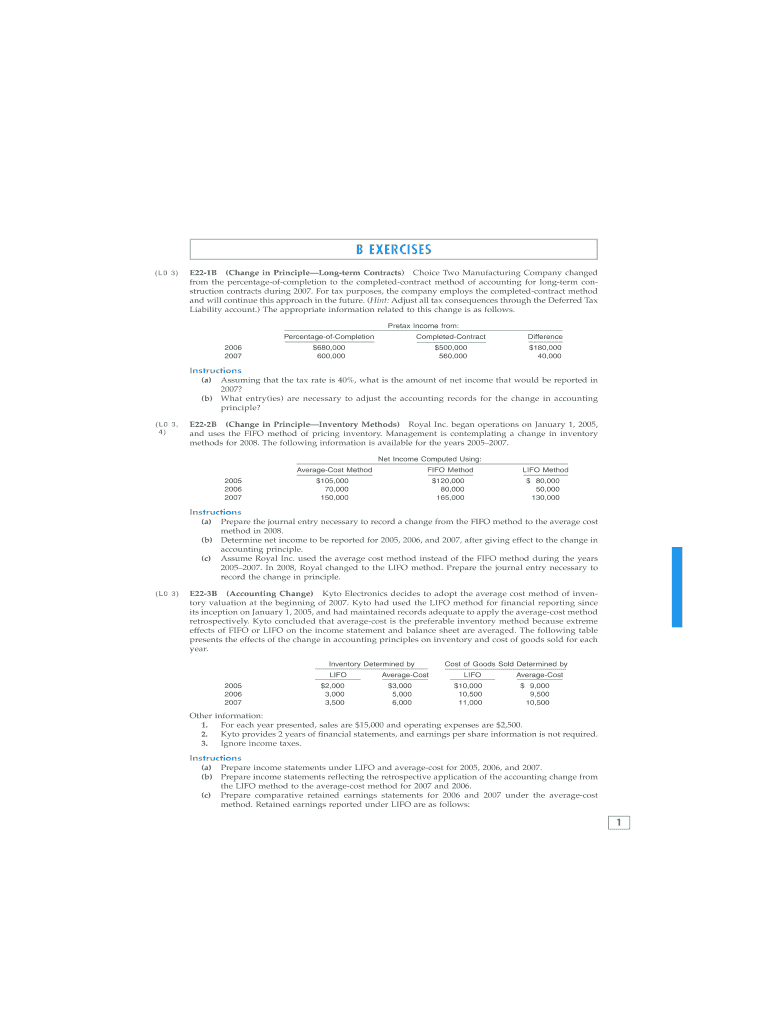
The "Tax Reform Increases Long-Term Construction Contract Exception" refers to changes in tax regulations affecting how long-term construction contracts are treated for tax purposes. These reforms aim to provide more favorable conditions for certain qualifying construction contracts by increasing the threshold for exceptions. This exception is particularly important for tax calculations, as it influences how income and expenses from long-term projects are reported and taxed, impacting cash flow and overall financial planning for construction companies.
Key Elements of the Exception
Several critical components define how the exception is applied:
- Contract Duration: Contracts must typically exceed a set timeframe to qualify as long-term, usually beyond one fiscal year.
- Revenue Threshold: The reform often involves an increased revenue threshold under which certain small to mid-sized businesses can apply this exception.
- Cost Accounting Methods: Businesses may need to use specific accounting methods, like percentage-of-completion method changes, for accurate tax reporting under the exception.
- Qualification Period: The specified timeline during which contracts must have commenced or be finished to fall within the reform's scope.
Examples of Using the Exception
Construction companies can apply the exception in various ways:
- Small Contractor Benefits: A small contractor who previously exceeded the revenue threshold now falls within the eligibility range due to increased limits, allowing them a more favorable tax position.
- Income Deferral: Companies working on multiyear projects can defer taxation of some income until the project’s completion, improving cash flow.
- Reduced Tax Liability: Aligning project income and expenses under the exception can result in reduced taxable income and liabilities in the short term.
Eligibility Criteria
To benefit from the Tax Reform Increases Long-Term Construction Contract Exception, entities must meet specific requirements:
- Business Size: Generally aimed at small to mid-sized contractors with annual revenues below the newly adjusted threshold.
- Contract Type: Only certain types of construction contracts are eligible, typically those with a primary focus on building, installing, or manufacturing.
- Geographic Location: The contractor should operate within areas defined by U.S. jurisdiction.


IRS Guidelines
The IRS provides detailed guidelines for the application of this exception:
- Method Selection: Contractors must choose one of the allowable methods for recognizing contract income, such as the completed-contract method under specific circumstances.
- Documentation: Proper documentation is required to prove eligibility, including project timelines, cost estimates, and revenue projections.
- Regular Updates: Contractors are advised to follow IRS updates and clarifications regarding any changes to the exception criteria or applicable thresholds.
Steps to Complete the Exception Application
- Evaluate Contract Eligibility: Determine if your contracts meet the long-term definition and revenue criteria.
- Choose Accounting Method: Decide on the best accounting method allowable for your contracts under the new rules.
- Document Requirements: Gather necessary documents, such as income statements, balance sheets, and detailed project records.
- Submit Application: Prepare and file the required tax forms, ensuring that all entries reflect the use of the exception.
- Review Approval Notice: Wait for IRS or state approval confirmation to ensure compliance.
Required Documents
To apply the Tax Reform Increases Long-Term Construction Contract Exception effectively, contractors must maintain:
- Financial Statements: Accurate and current income and financial statements.
- Project Records: Detailed logs regarding contract timelines and estimated completion dates.
- Tax Filings: Previous tax returns and supplementary documentation substantiating eligibility for prior years.
Filing Deadlines / Important Dates
Businesses must adhere to specific deadlines:
- Quarterly and Annual Filings: Align contract reporting with standard quarterly tax filings and annual returns.
- Year-End Filing: Ensure all exception-related documentation is submitted by the relevant year-end closing date for taxpayer categories.
- Renewal Deadlines: For companies required to renew or reassess eligibility, keeping track of policy updates influencing future filings.
Business Entity Types Benefiting Most
The exception is particularly advantageous for:
- LLCs and S Corporations: These business types often benefit more since they pass-through taxation allows direct application to shareholder incomes.
- Sole Proprietors: Smaller operations can leverage these exceptions to maintain cash flow advantages.
- Partnerships: Engaged in contract work that spans multiple fiscal years, allowing them to balance income more favorably across partner payouts.