





Definition and Meaning
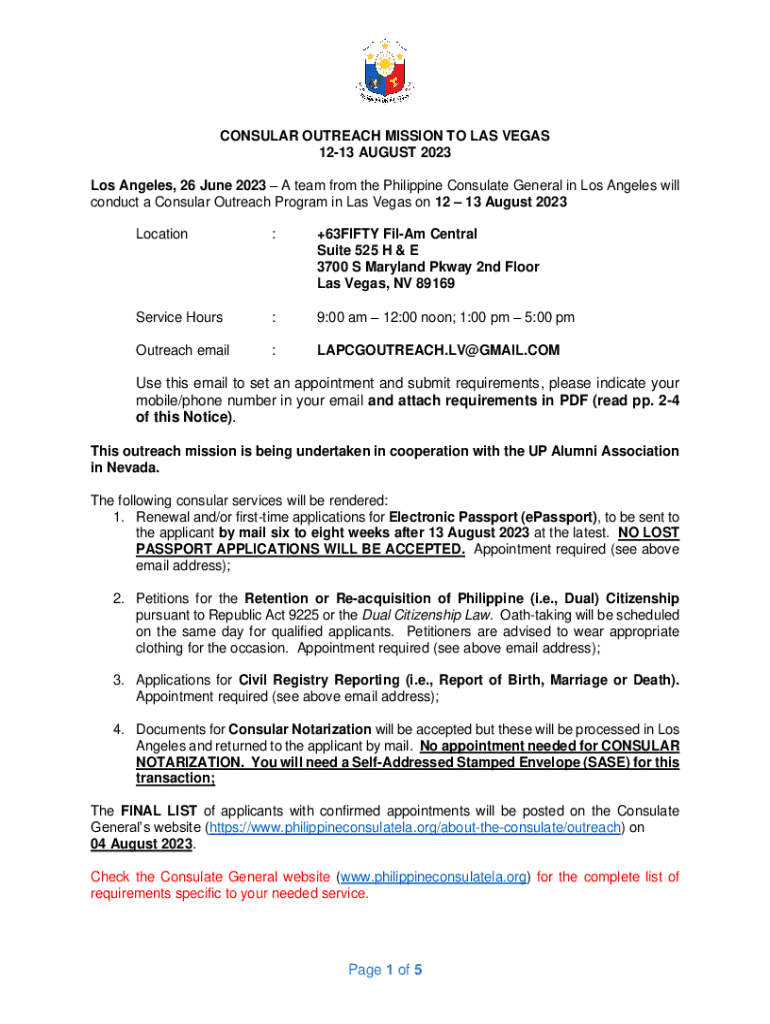
The concept of a "form online" refers to electronic forms that individuals and businesses can access and complete through internet platforms. These forms allow users to input, submit, and store information digitally, eliminating the need for physical paperwork. The process involves filling in various fields that are formatted to collect specific data pertaining to different purposes such as applications, registrations, or legal submissions. This digital approach is designed to save time and reduce errors associated with traditional paper forms.
How to Use the Form Online
Using forms online involves several key steps to ensure efficiency and accuracy. Users start by accessing the form via a web platform like DocHub, where they can either search for the desired template or upload their own document to be converted into a fillable format. The platform typically provides tools for filling in fields, attaching documents, or adding electronic signatures. Once the form is completed, users can review the information for errors and submit it directly through the platform or export it to other digital formats for storage and future reference.
- Access the online platform hosting the form.
- Search or upload the document to the editor.
- Fill in the required fields with accurate information.
- Review the completed form to check for errors.
- Submit directly through the platform or download for storage.
Steps to Complete the Form Online
Completing a form online requires several systematic steps:
- Locate the Form: Begin by identifying the necessary form from the relevant platform or website.
- Enter Personal Information: Input your personal and contact details as prompted by the form fields.
- Provide Supporting Documentation: Attach any required supporting documents or proof if the form requires it.
- Review Entries: Carefully review all entered data for completeness and accuracy to prevent mistakes.
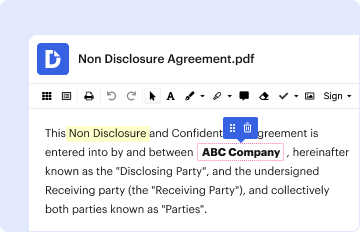
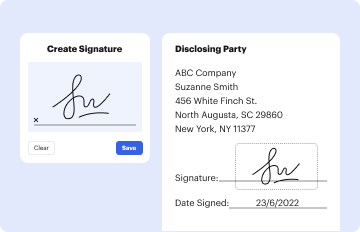
- Add Signature: If necessary, use the electronic signature feature to sign the form.
- Submit the Form: Use the platform’s submission feature to send the form to the intended recipient.
These steps help streamline your interaction with digital forms, ensuring that you provide complete and accurate information.
Why Should You Use Form Online
Utilizing forms online presents numerous benefits:
- Efficiency: Speeds up the process of data collection and submission compared to traditional paper methods.
- Convenience: Allows completion from any location with internet access, on both desktop and mobile devices.
- Accuracy: Minimizes the risk of human error with digital error checking and validation features.
- Environmentally Friendly: Reduces paper waste.
- Security: Enhances data protection with encryption and secure data handling protocols.
Overall, online forms provide a modern, effective approach to conducting administrative or business-related tasks.
Key Elements of the Form Online
An online form comprises several key elements tailored to its purpose:
- Interactive Fields: Includes text boxes, checkboxes, and dropdowns for data entry.
- Validation Rules: Ensures entered data meets specified criteria for completeness and accuracy.
- Instructional Guidelines: Provides users with tips or examples on how to correctly fill out each section.
- Submission Button: Facilitates sending the completed form directly to the recipient.
- Confirmation Alerts: Notifies users of successful submission or highlights any errors needing correction.
These elements work cohesively to enhance the user experience and data collection quality.
Who Typically Uses the Form Online
Online forms cater to a diverse range of users, including:
- Individuals: Applying for jobs, permits, or legal documentation.
- Businesses: Managing customer feedback, employee data, or supply orders.
- Educational Institutions: Collecting student enrollment details, survey responses, or research data.
- Government Agencies: Simplifying public service applications, tax submissions, or census data gathering.
These groups leverage the efficiency and accessibility of online forms for varied administrative tasks.

Legal Use of the Form Online
When using online forms for legal purposes, compliance with legal standards is crucial. This involves ensuring that electronic submissions adhere to relevant laws, which in the United States includes the ESIGN Act that validates electronic signatures as legally binding. Additionally, platforms handling sensitive data should implement robust security measures, including encryption and user authentication protocols, to protect privacy and confidentiality.
- Adhere to laws like the ESIGN Act.
- Ensure the platform complies with data protection standards.
- Use forms that support legally recognized electronic signatures.
Software Compatibility
Compatibility with software solutions enhances the effectiveness of forms online. Platforms like DocHub integrate seamlessly with widely used software such as Google Workspace, providing options to import and export documents directly from cloud storage like Google Drive or Dropbox. Additionally, compatibility with accounting software like TurboTax or QuickBooks further aids in financial form completion, particularly for tax forms.
- Compatible with Google Workspace for seamless document handling.
- Supports integration with accounting software like TurboTax.
- Allows easy transfer between cloud storage services such as Dropbox and OneDrive.
By being compatible with popular software, online forms ensure a smooth experience for users across different platforms.