





Definition and Meaning of the Answer and Counterclaim
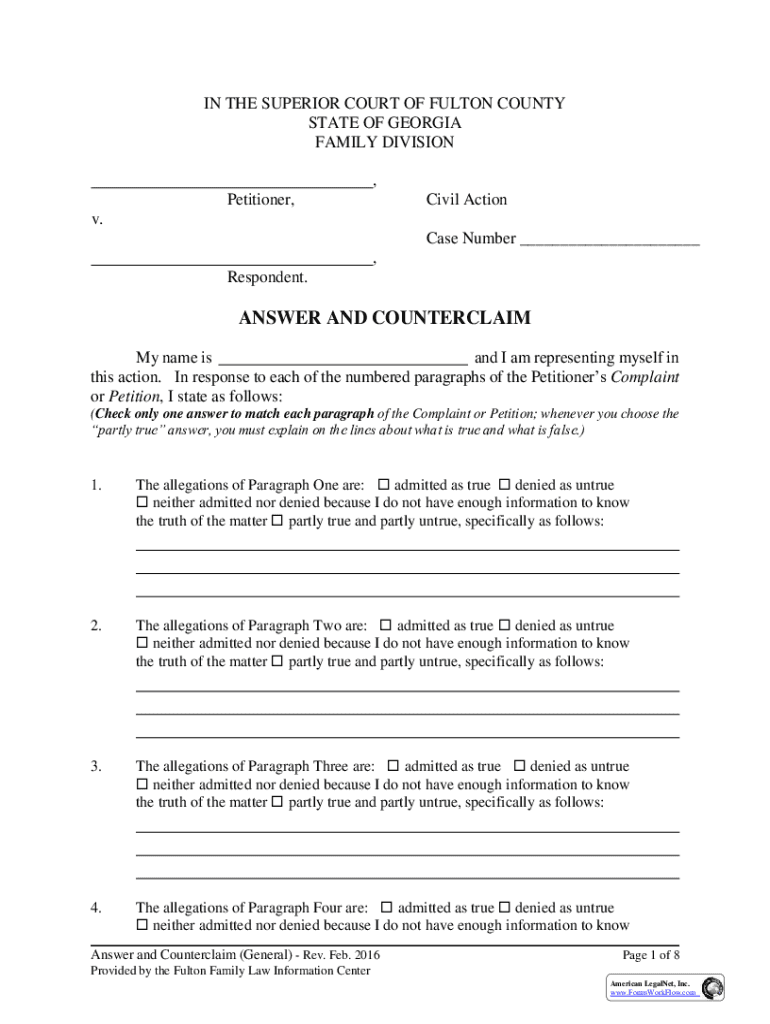
An Answer and Counterclaim is a legal form used primarily in civil litigation to respond to a plaintiff's complaint and assert any counterclaims against the plaintiff. In the United States, this document is often filed in state courts, such as the Superior Court of Fulton County, Georgia. The Answer component allows the defendant (now referred to as the respondent) to admit, deny, or claim insufficient knowledge regarding each of the allegations presented by the petitioner (plaintiff). The Counterclaim section enables the respondent to present any claims they might have against the plaintiff, effectively turning the tables by initiating their own complaint within the same proceeding.
How to Use the Answer and Counterclaim
To effectively use an Answer and Counterclaim, a respondent should carefully review the petitioner's original complaint and systematically address each allegation. Steps include:
- Review the Complaint: Understand each allegation made by the petitioner.
- Prepare Your Answer:
- Admit, deny, or claim insufficient knowledge about each allegation.
- Write concise responses to maintain clarity and legality.
- Draft the Counterclaim (if applicable):
- Identify any legal grievances you have against the petitioner.
- Clearly list each counterclaim, supported by facts and legal reasoning.
- Review Legal Advice: Consult an attorney to ensure compliance with court rules.
- File with the Court: Make sure the document is submitted to the appropriate court within any deadlines set by the court.
Steps to Complete the Answer and Counterclaim
Completing an Answer and Counterclaim entails a series of precise steps:
- Heading Section: Begin with court information and case number.
- Party Identification: Clearly identify the respondent's and petitioner's names.
- Response to Allegations:
- Number your responses to match the allegations in the original complaint.
- Use formal legal language to admit, deny, or lack knowledge.
- Counterclaim Statement:
- Detail each counterclaim, citing specific legal grounds.
- Include any necessary facts and supporting evidence.
- Jurisdictional Statement: Assert appropriate jurisdiction by the court over the counterclaims.
- Request for Relief: Specify the outcomes the respondent seeks from the court.
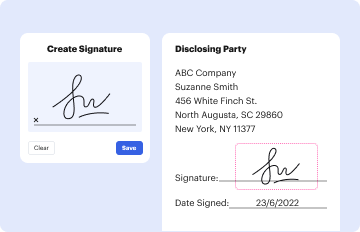
- Sign and Date: Ensure the document is signed and dated by the respondent or their attorney.
Why Should You Answer and Counterclaim
Filing an Answer and Counterclaim is crucial for several reasons:
- Defends Against Allegations: Protects your rights by formally responding to a lawsuit.
- Initiates Your Claims: Allows you to bring your own legal claims against the petitioner within the same case.
- Facilitates a Legal Strategy: Properly managed, this document can lead to negotiation or settlement.
- Avoids Default Judgment: Failing to file can lead to the court ruling in favor of the petitioner by default.
- Preserves Legal Rights: Provides a platform for your narrative in legal proceedings.
Key Elements of the Answer and Counterclaim
The document is composed of several key elements:
- Heading and Case Information: Clearly formatted to comply with court standards.
- Admissions and Denials: Detailed responses to each allegation.
- Counterclaims: A separate section where new claims are outlined.
- Jurisdiction and Venue: Argumentation regarding the court's authority to hear the case.
- Prayer for Relief: Outlines what the respondent seeks from the court.
- Signatures: Required from the respondent or their legal representative.
Legal Use of the Answer and Counterclaim
In the legal realm, the Answer and Counterclaim serves a dual purpose:
- Defense Tool: Respondents use it to object to and defend against the allegations presented by the petitioner.
- Offensive Strategy: It allows the introduction of new legal issues through counterclaims, demanding separate judicial examination. Hence, it is a critical procedural document in litigation strategies, ensuring that all of a respondent's grievances are addressed in the legal process.
State-Specific Rules for Answer and Counterclaim
Laws and rules about the Answer and Counterclaim differ across states:
- Filing Deadline: Each state has its own timeline for filing after receiving a complaint. For instance, Georgia typically requires a response within 30 days.
- Format and Content: States might have unique requirements for the content and structure of the document.
- Jurisdictional Variations: Jurisdictional arguments must be tailored to state-specific court rules and precedents.
Examples of Using an Answer and Counterclaim
Consider these scenarios to understand practical applications:
- Business Dispute: A company files a lawsuit for breach of contract. The respondent not only denies these claims but also files a counterclaim for unpaid invoices.
- Family Law Case: In a divorce proceeding, one party responds to the other's claims about asset division and files a counterclaim seeking custody adjustments.
- Personal Injury Case: A defendant denies liability in a car accident case and files a counterclaim for damages to their vehicle.
These examples underscore the document's versatility across various legal contexts, emphasizing its role in both defense and counter-litigation.